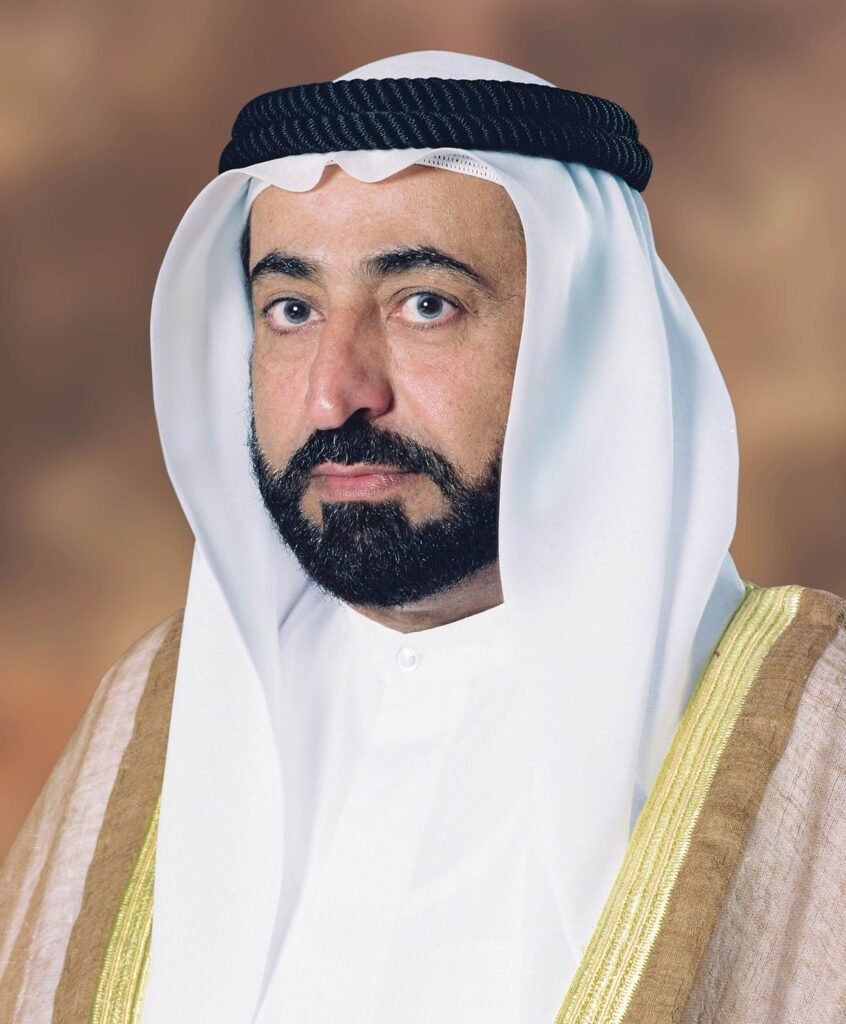
Sharjah , December 30 , 2025 : His Highness Sheikh Dr Sultan bin Mohammed Al Qasimi, Supreme Council Member and Ruler of Sharjah, has approved the emirate’s 2026 general budget with total expenditures of approximately AED44.5 billion, reflecting a 3% increase over 2025.
The budget focuses on financial sustainability, economic competitiveness, and social welfare, while strengthening security and ensuring the sustainability of energy, water, and food resources. It aims to enhance government capacity to fund strategic projects, expand housing solutions for citizens, and develop a robust tourism infrastructure supporting cultural, recreational, and social tourism.
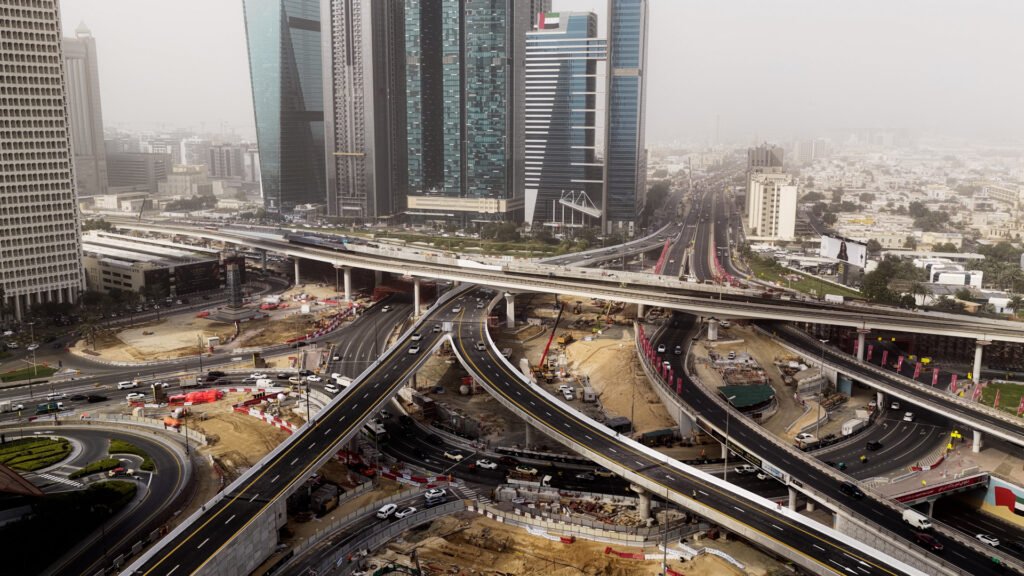
Infrastructure receives the largest allocation at 35% of the budget, followed by economic development at 30%—up 17% year-on-year—and social development at 23%. Government administration, security, and safety account for 12%, reflecting increased emphasis on institutional capability and public safety. Capital projects make up 35% of total spending, while salaries and wages account for 30%, operating expenses 25%, subsidies and aid 12%, and debt servicing 15%.
Public revenues in 2026 are projected to rise by 26% compared to 2025, driven by improved collection efficiency and digital transformation initiatives. Operating revenues represent 69% of total revenues, while tax revenues are expected to more than double year-on-year.
Sheikh Mohammed bin Saud Al Qasimi, Chairman of the Sharjah Finance Department, said the budget aligns with the Ruler’s vision and the Executive Council’s strategic priorities, aiming to enhance financial sustainability, efficiency, and competitiveness across economic, social, cultural, infrastructure, and tourism sectors. The budget also supports digital transformation, streamlined government services, and measures to reduce the cost of doing business.
The 2026 budget prioritises job creation, skills development, investment in human capital, and strengthening Sharjah’s position as a global hub for culture, science, and tourism. It is aligned with the emirate’s 2023–2030 financial plan and is designed to address global challenges such as inflation and economic uncertainty while safeguarding the interests of citizens, residents, and businesses.