Dubai , January 15 , 2026 : Dubai’s Roads and Transport Authority (RTA) has signed an agreement with Emaar Properties to expand the Burj Khalifa/Dubai Mall Metro Station, significantly increasing its passenger-handling capacity in response to sustained growth in ridership, particularly during peak periods such as New Year’s Eve, national and religious holidays, and major citywide events.
Under the expansion project, the station’s total area will increase from 6,700 square metres to 8,500 square metres, while passenger capacity will rise from 7,250 to 12,320 passengers per hour, representing a 65 percent increase. Upon completion, the station’s daily capacity is expected to reach up to 220,000 passengers.
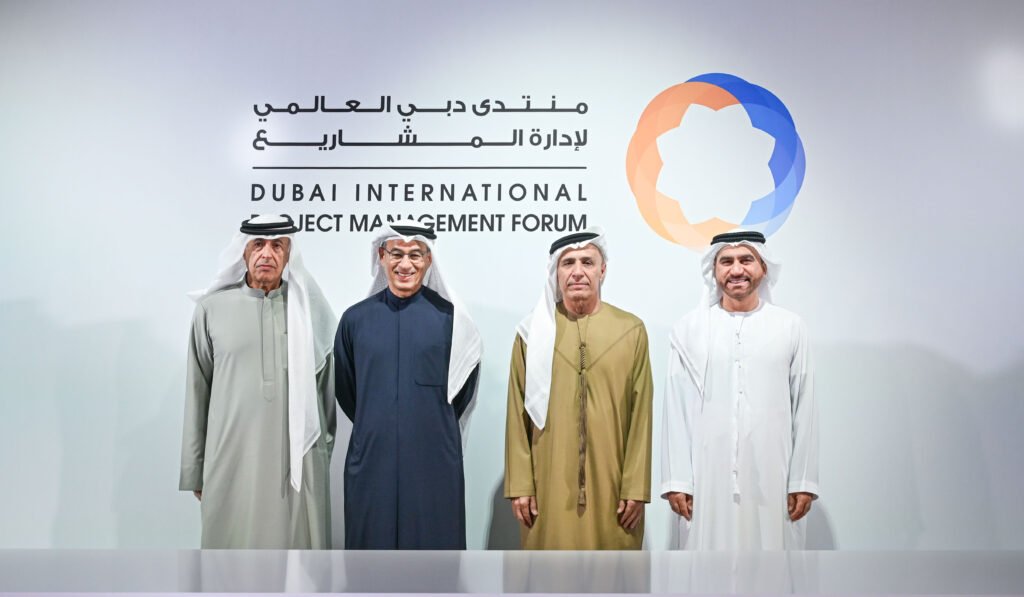
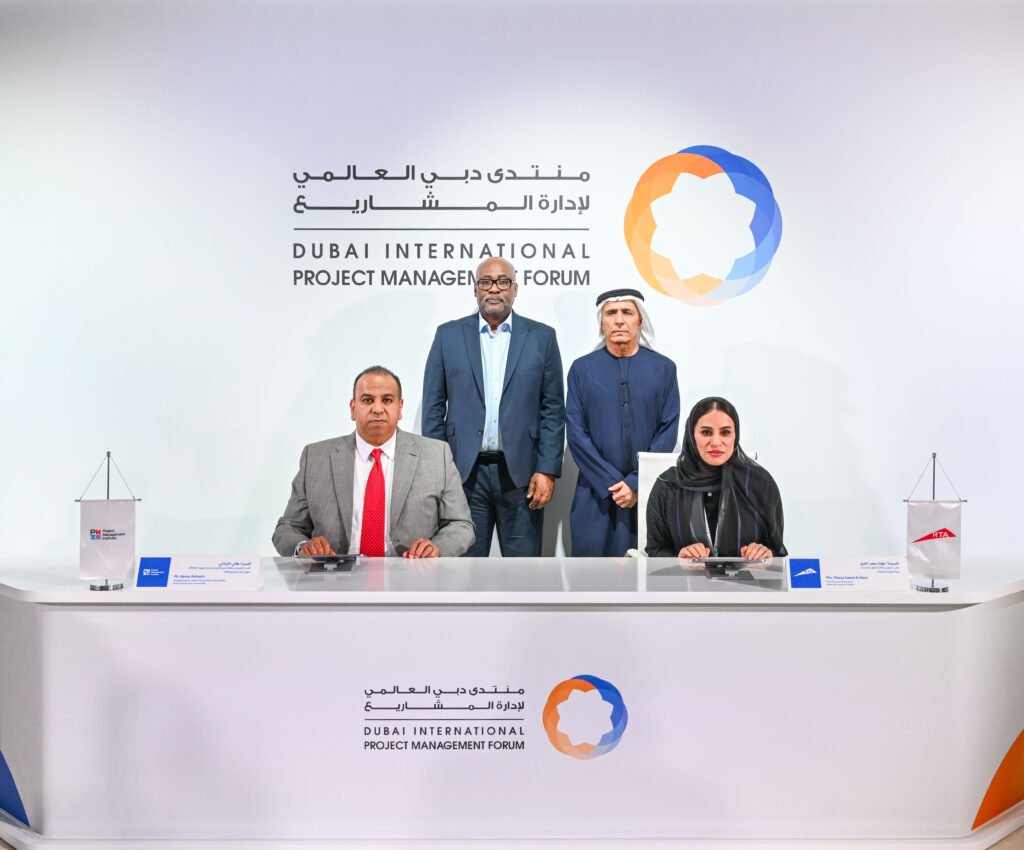
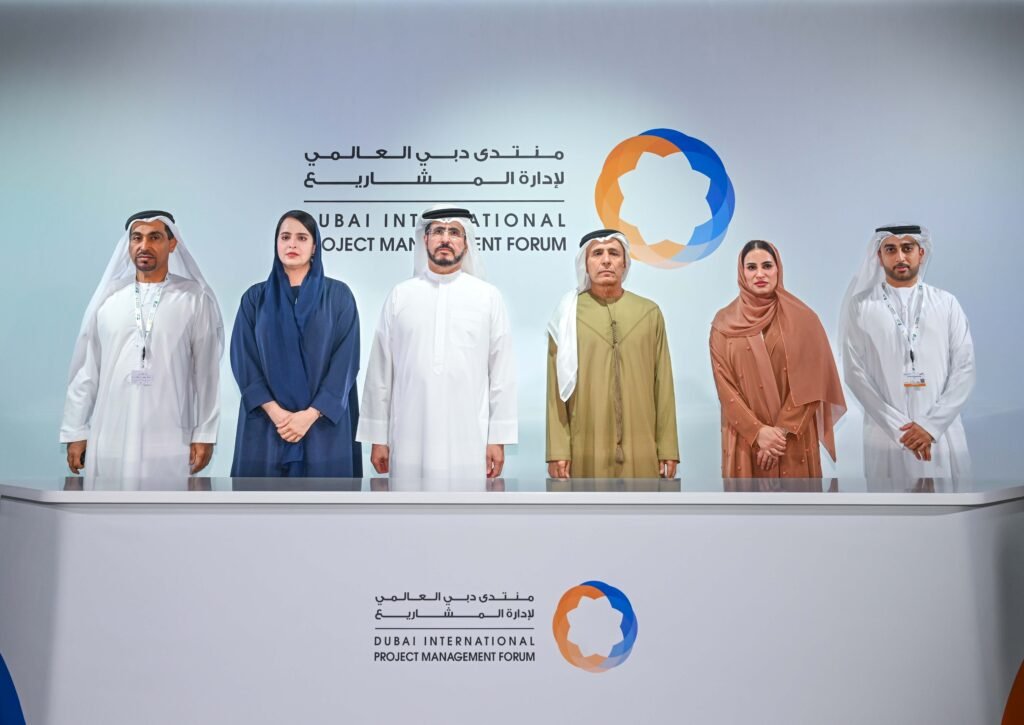
The agreement was signed by His Excellency Mattar Al Tayer, Director General and Chairman of the Board of Executive Directors of the RTA, and His Excellency Mohamed Alabbar, Founder of Emaar and Noon and Chairman of Eagle Hills. The signing took place on the sidelines of the Dubai World Project Management Forum, in the presence of senior officials from both entities.
Strategic Infrastructure Investment
Commenting on the agreement, Al Tayer said the project reflects the vision of His Highness Sheikh Mohammed bin Rashid Al Maktoum, Vice President and Prime Minister of the UAE and Ruler of Dubai, to strengthen public–private partnerships in the development of world-class infrastructure.
“The expansion of Burj Khalifa/Dubai Mall Metro Station represents a strategic investment at the heart of Dubai’s urban core, where tourism and economic activity are most concentrated,” Al Tayer said. “The project underscores RTA’s commitment to proactive infrastructure capable of accommodating rapid population growth and increasing visitor numbers, while ensuring smooth mobility during peak periods and major occasions.”
He added that the station is one of the most important on the Dubai Metro network due to its proximity to Burj Khalifa, Dubai Mall, and Downtown Dubai, making it the preferred access point for residents and visitors, especially during large-scale events.
Enhanced Passenger Experience
The scope of the expansion includes the enlargement of concourse and platform areas, installation of additional escalators and lifts, separation of entry and exit gates to improve passenger flow, an increase in the number of fare gates, and the expansion of commercial spaces to support revenue generation. The project also includes enhanced pedestrian bridges, landscaping works, and integration with public transport services and other mobility options.
Al Tayer noted that increasing the station’s capacity will deliver a qualitative leap in metro services in the Downtown Dubai area, ensuring the highest standards of safety, comfort, and operational efficiency, while supporting expected ridership growth through to 2040. He added that the station has recorded a 7.5 percent increase in passenger numbers over the past five years.
Investment in Quality of Life
For his part, Mohamed Alabbar said the expansion aligns with Emaar’s vision of developing integrated urban destinations centred on people and accessibility.
“The Burj Khalifa and Dubai Mall district is not only a commercial and tourism hub, but the vibrant heart of a global city,” Alabbar said. “The expansion of the metro station represents a direct investment in quality of life and people’s happiness, reducing travel times and facilitating access to Dubai’s most prominent landmarks, particularly during peak periods such as New Year’s Eve and holiday seasons.”
He added that the partnership with the RTA exemplifies a successful public–private collaboration in supporting sustainable urban growth and enhancing Dubai’s readiness to accommodate rising numbers of visitors and tourists.
Growing Ridership
Since opening in early 2010, Burj Khalifa/Dubai Mall Metro Station has recorded consistent growth in passenger numbers. Ridership increased from 6.13 million passengers in 2013 to 7.25 million in 2016, rising further to 7.88 million in 2019. Passenger volumes exceeded 10.2 million in 2023 and reached over 10.57 million in 2024, with nearly 11 million passengers recorded in the most recent year.
Design and Accessibility
The architectural design of the station will remain consistent with the shell-inspired design of Dubai Metro’s elevated stations on the Red and Green Lines. Interior layouts will prioritise safety, clarity, and efficient passenger movement, while minimising walking distances and maintaining visual connectivity across spaces.
At ground level, station entrances will integrate seamlessly with public transport services and emerging mobility options, including bicycles and electric scooters. The design also ensures full accessibility for people of determination, senior citizens, parents with prams, residents, and visitors, reinforcing Dubai’s commitment to inclusive and user-friendly public transport infrastructure.