Month: April 2026

Abudhabi , April 18, 2026 : The UAE economy maintained its upward trajectory during the first months of 2026, supported by the strength of the financial and banking sector and rising foreign trade and investment indicators, according to official data and local and international reports.

The UAE has further reinforced its sustainable leadership at both regional and global levels, establishing itself as a model of stability and flexibility in addressing evolving challenges.

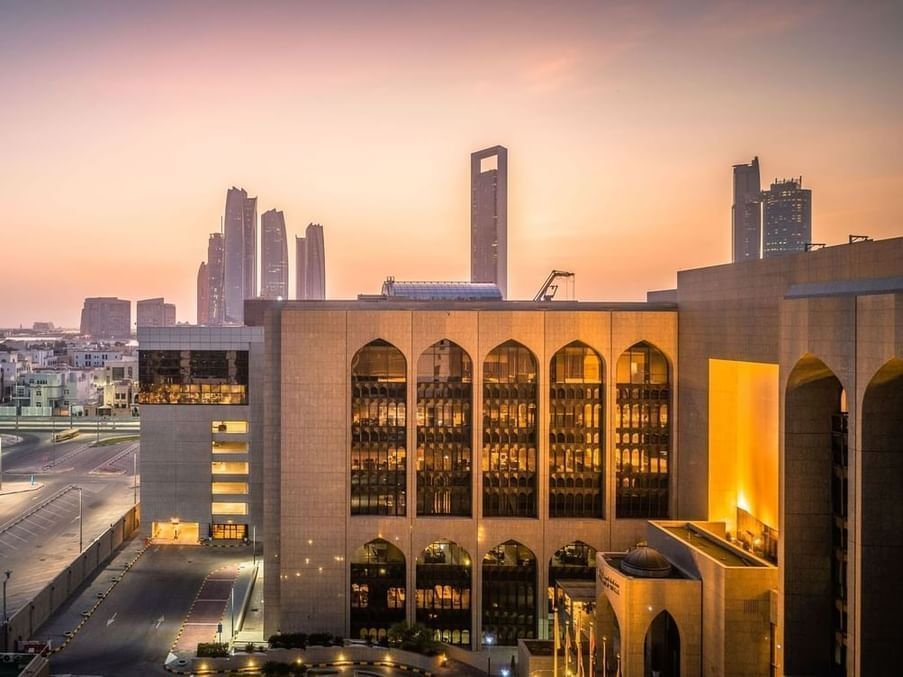
According to the Central Bank of the UAE (CBUAE), total banking assets increased by 1.1 percent in February 2026 to exceed AED5.472 trillion, compared to AED5.414 trillion in January.

Total credit rose by 1.2 percent to AED2.63 trillion, supported by an increase of AED20.6 billion in domestic credit. Bank deposits grew by 1.9 percent to AED3.4 trillion, with resident deposits rising by 1.7 percent to AED3.098 trillion.

The UAE’s financial sector continues to demonstrate strong stability. At the beginning of March, the capital adequacy ratio stood at 17 percent, while the liquidity coverage ratio exceeded 146.6 percent, remaining well above international regulatory standards.

UAE banks further strengthened their presence in Forbes’ 2026 list of the world’s best banks, which included leading national institutions such as First Abu Dhabi Bank (FAB), Abu Dhabi Commercial Bank (ADCB), Emirates Islamic, Emirates NBD and Commercial Bank of Dubai.

International rating agencies have reaffirmed the UAE’s sovereign strength. Moody’s maintained its Aa2 rating with a stable outlook following its periodic review on 30th March 2026. In parallel, S&P Global Ratings affirmed the UAE’s sovereign credit rating at AA/A-1+ for both local and foreign currencies, with a stable outlook.

S&P noted that the UAE economy is underpinned by strong fiscal and economic resilience, supported by consolidated government net assets estimated at around 184 percent of GDP in 2026, while government liquid assets stand at approximately 210 percent of GDP.

The UAE continues to advance its foreign trade strategy under the Comprehensive Economic Partnership Agreements (CEPA) programme, which aims to increase non-oil trade to AED4 trillion by 2031. During the first quarter of 2026, agreements were signed with the Philippines, Nigeria, the Democratic Republic of the Congo and Gabon.

The UAE also achieved notable international rankings, entering for the first time the list of the world’s top ten merchandise exporters, ranking ninth globally according to the World Trade Organisation.

The report indicated that the UAE’s total foreign trade reached AED6 trillion in 2025, marking a 15 percent increase compared to 2024. Trade in services exceeded AED1.14 trillion for the first time, while non-oil merchandise trade rose by 27 percent to AED3.8 trillion.

Mubadala Investment Company further strengthened the resilience of its investment portfolio, with assets reaching AED1.4 trillion and a cumulative return exceeding 10 percent over five- and ten-year periods.

Meanwhile, ADNOC entered the list of the world’s 100 most valuable brands, maintaining its position as the UAE’s most valuable brand for the eighth consecutive year. Its brand value increased by 11 percent to US$21.13 billion, reflecting growth of more than 350 percent since 2017.

Dubai also achieved its highest ranking in the Global Financial Centres Index (GFCI), advancing to seventh place, underscoring its growing prominence as a leading global financial hub.

The UAE recorded notable growth in the number of registered companies, which exceeded 1.45 million by the end of February.

In this context, Dubai Chamber of Commerce reported the addition of 2,709 new companies in March 2026. The Sharjah Economic Development Department recorded a 1 percent increase in issued and renewed licences during the first quarter of 2026 compared to the same period in 2025. In Ajman, 1,617 new licences and 8,777 renewed licences were issued during the same period, with renewed licences increasing by 7 percent year-on-year, reflecting a stable business environment and sustained economic activity.

At the sovereign debt level, the UAE’s dirham-denominated Treasury bonds (T-Bonds) auction for March 2026 achieved strong results, with a total issuance of AED1.1 billion.

The auction saw robust demand from primary dealers for tranches maturing in September 2027 and January 2031, with total bids reaching AED4.85 billion, equivalent to around 4.4 times the issuance size.
WASHINGTON, April 18, 2026:The World Bank on Friday unveiled a new strategy aimed at helping small island states and other small countries better address unique challenges such as remoteness, exposure to shocks and ‌a narrow economic base by focusing firmly on jobs, Reuters reported.

World Bank President Ajay Banga discussed the initiative at a closed-door ‌gathering of ministers and central bank governors from 50 small countries held during the spring meetings of the International Monetary Fund and World Bank.

He said the ​concept was aimed at using differentiated tools to help small states attract more private investment, carry out policy and regulatory reforms to make it easier for businesses to operate and grow, and ultimately create more jobs.

It will focus on areas such as health, affordable energy, resilient infrastructure and micro- and small businesses where Bank officials see the greatest opportunities to boost growth, strengthen businesses, and create more and ‌better jobs.

The World Bank Group last year ⁠approved a record $3.3 billion in new commitments and guarantees for small states, which face unique economic challenges and are disproportionately affected by shocks, as seen during the war in the Middle East.

“For small businesses, ⁠a single hurricane, a sudden surge in imported fuel prices, or a downturn in tourism can undo months of investment and income in a matter of days,” the bank said in a blog released with the new strategy.

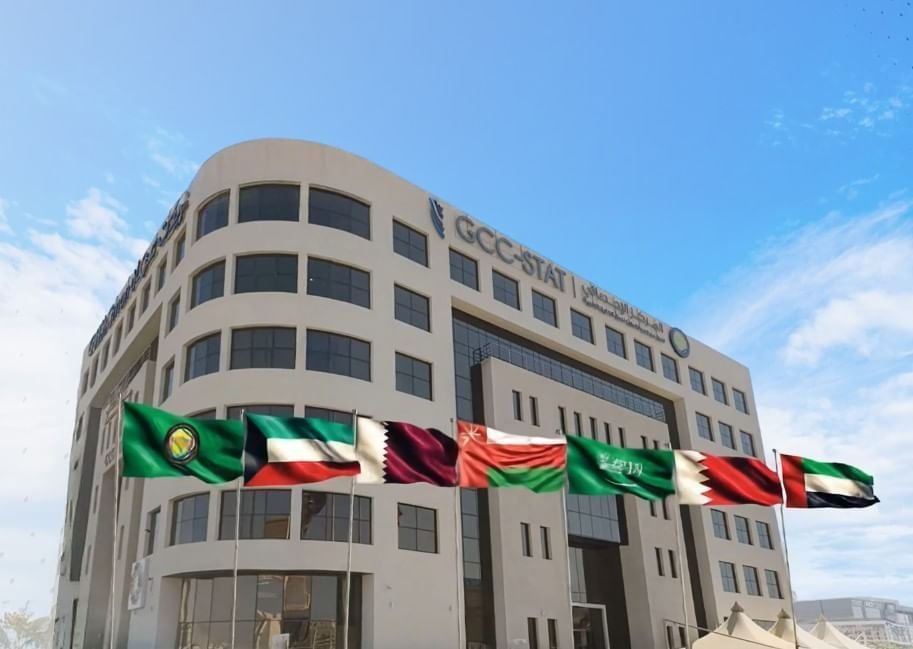
April 19, 2026 : GCC countries have achieved notable progress in the United Nations Sustainable Development Goals (SDGs), outperforming global averages, particularly in the areas of health, education, and basic services, according to data released by the Statistical Centre for the Cooperation Council for the Arab Countries of the Gulf (GCC-Stat).

The data confirmed that GCC countries have nearly eradicated extreme poverty, achieving living standards that exceed international poverty lines, supported by advanced social protection systems that ensure inclusiveness across all segments of society.

In the health sector, indicators showed advanced performance. The maternal mortality rate reached 19.9 per 100,000 live births, compared to the global target of 70, while the under-five mortality rate stood at 10.8 per 1,000 live births versus 25 globally. Universal health coverage reached 100% compared to 68% globally, and coverage of essential vaccines reached 100% versus 84% globally.

In addition, physician density rose to 33.6 per 10,000 population compared to 18.7 globally, reflecting the quality and efficiency of healthcare systems in the region.

In education, GCC countries recorded high rates, with literacy reaching 99.2% compared to 88% globally, while pre-primary education enrollment reached 99.8% compared to 74.4% globally. Basic services are provided in all schools, alongside full teacher qualification, reflecting strategic investment in human capital.

Regarding infrastructure, GCC countries achieved significant milestones. The proportion of the population with access to safe drinking water reached 100% compared to 73.7% globally, while sanitation and water treatment services reached levels close to 100% in several countries, enhancing environmental and public health sustainability.

The indicators also showed universal access to electricity services at 100%, compared to 91.7% globally, alongside increasing reliance on clean technologies.

In terms of safety and stability, GCC countries recorded advanced levels. The homicide rate stood at 0.6 per 100,000 population compared to 5.2 globally, while the rate of victims of human trafficking reached 5.5 versus 38 globally. Additionally, near-complete birth registration has been achieved, reflecting the efficiency of institutional and legal systems.

The data also pointed to challenges related to high energy consumption intensity compared to global levels, highlighting the need to enhance efficiency and accelerate the transition towards renewable energy.

Additional challenges include a higher prevalence of child wasting among children under five, reaching approximately 9.3% compared to 6.6% globally, as well as increased per capita hazardous waste and a persistently low labour share of GDP at around 36.6% compared to global levels. This indicates the need to improve nutrition quality, enhance resource management efficiency, and increase the contribution of labour to the economy.

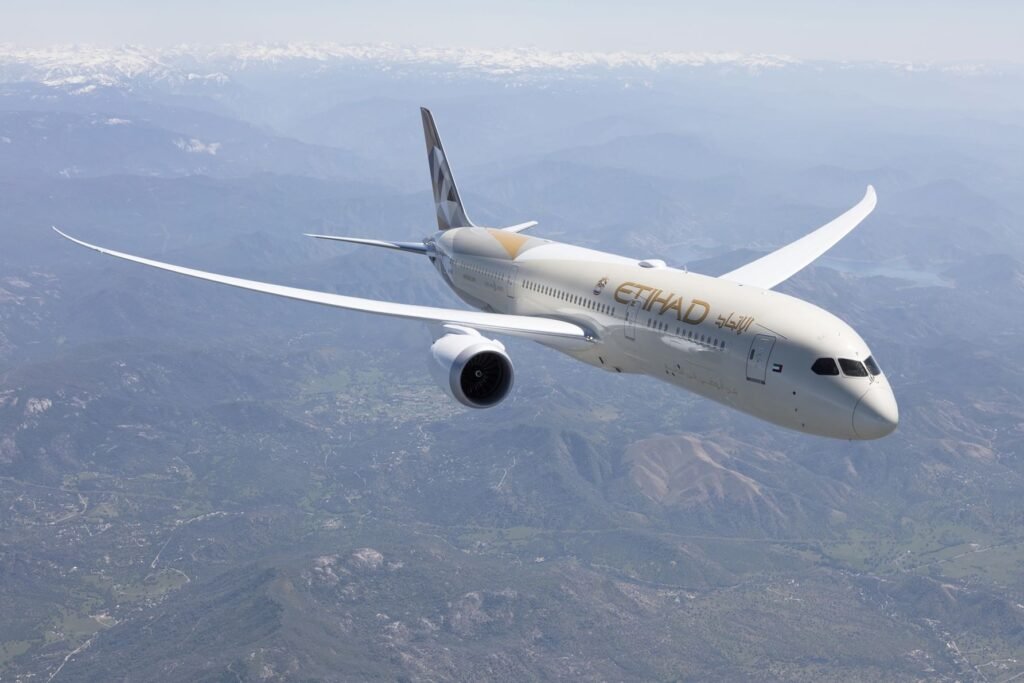
Abudhabi , April 17 , 2026 : Etihad Airways today announced a significant expansion of its Africa network, adding new routes to the Democratic Republic of the Congo, Eritrea, Ghana, Nigeria and Zimbabwe from Abu Dhabi, as part of its continued global growth strategy.

The new services reflect investment in high-growth markets, supporting increasing connectivity across trade, cargo and mobility.

The expansion builds directly on Etihad’s recently announced China growth, including increased frequencies and a deepened partnership with China Eastern Airlines. Together, these developments position Abu Dhabi as a key gateway between Africa, India and Asia, enabling more efficient movement of goods, investment and people between two of the world’s fastest-growing regions.

It also aligns with growing economic ties between the UAE and Africa, with increasing trade, investment and commercial partnerships across sectors including energy, infrastructure, mining and logistics. Abu Dhabi continues to strengthen its role in enabling these flows, supporting deeper economic engagement between the regions.

In parallel, it also complements Etihad’s strategic joint venture with Ethiopian Airlines, which this month marked 80 years of operations, further strengthening connectivity across the African continent.

Antonoaldo Neves, Chief Executive Officer of Etihad Airways, said, “Africa is a natural and compelling next step in Etihad’s network expansion. These are markets with strong underlying demand, driven by trade, investment and population growth. Our role is to provide the connectivity that enables that growth.

“Demand for air connectivity across key African markets is outpacing existing supply, particularly in cargo and trade-linked sectors. This expansion is a direct response to that structural opportunity.

“By extending our network alongside our recent China expansion, we are enabling a more efficient corridor linking Africa, the Middle East and Asia through Abu Dhabi. For passengers, this creates simpler, faster journeys. For cargo, it provides more direct and reliable access between two regions where trade is growing rapidly.”

The new services will provide direct links between African markets and Abu Dhabi, while enabling one-stop connections to China, India, across Asia and throughout the Middle East.

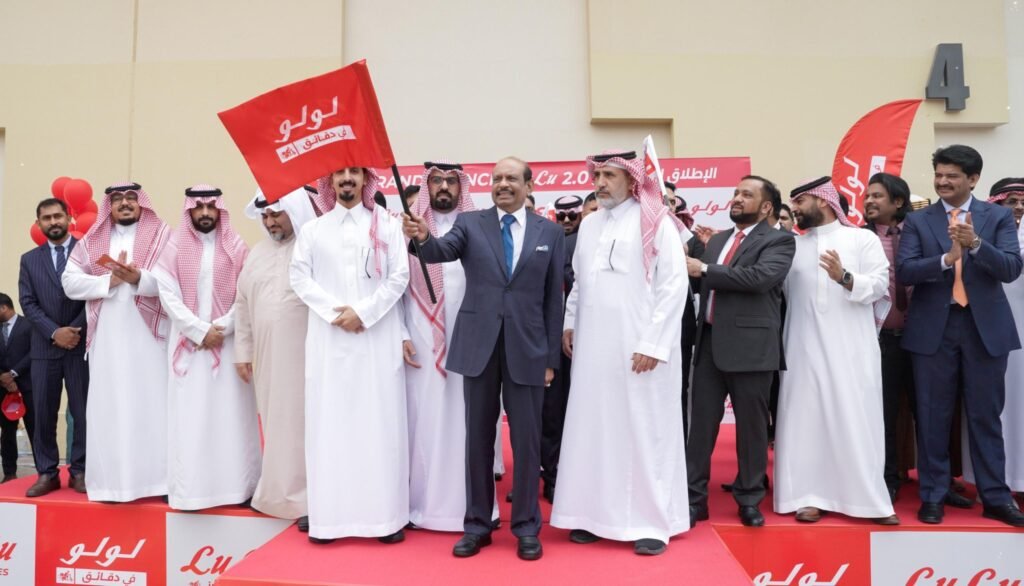
Saudi , April 17 . 2026 : Lulu Retail officially marked a new milestone in its digital expansion with the grand launch of its ultra-fast delivery service ‘ Lulu Minutes ‘ in Saudi Arabia. Yusuffali M.A., Chairman of Lulu Group launched the ‘ Lulu Minutes ‘ at Lulu Hypermarket, Avenue Mall, Al Murabba, Riyadh in the presence of Mohammed Haris, Director of Lulu Saudi Arabia, along with senior management and other dignitaries.

This smart launch introduces the updated Lulu 2.0 app, enhancing a digital infrastructure that currently serves 10 key cities across the Kingdom through a network of 45 stores. The service is available in Riyadh, Dammam, Jeddah, Hail, Tabuk, Yanbu, Khamis Mushait, Taif, Al Ahsa, Hafr Al Batin, and Jubail. While the platform continues to offer flexible scheduled delivery options, the Lulu 2.0 upgrade and the Lulu Minutes feature ensure that fulfillment is now significantly faster and more efficient for customers.

“Lulu Minutes marks a significant step forward in redefining smart retail, giving customers instant access to products at their fingertips. Powered by advanced technologies, including AI-driven systems, we are committed to delivering a seamless, secure, and best-in-class shopping experience that meets the evolving expectations of today’s consumers,” said Yusuffali M.A., Chairman of Lulu Group.

Lulu Minutes is designed to meet the growing consumer demand for speed and convenience, offering a wide assortment of groceries, fresh produce, and daily essentials delivered directly to the doorstep in minutes. Through its advanced hyper-local delivery model, the service ensures that customers receive the highest quality products with maximum efficiency. As part of this launch, various introductory coupon codes are available on the app, providing customers with added value and savings on their initial orders.

This new initiative reflects Lulu’s ongoing dedication to enhancing the retail landscape in the Kingdom of Saudi Arabia through innovation and advanced technology. By integrating a user-friendly app interface with a robust delivery network, ‘ Lulu Minutes ‘ aims to redefine the shopping experience, making it more accessible and responsive to the needs of the modern, fast-paced consumer needs.

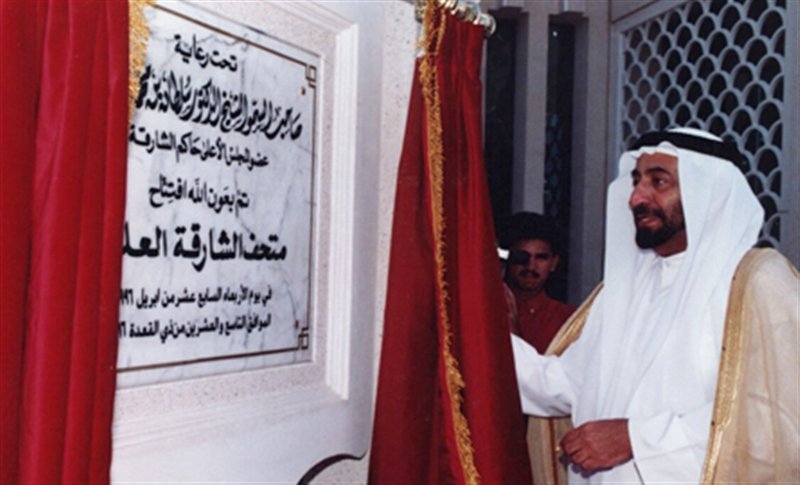
Sharjah ,April 17 , 2026 : Sharjah Museums Authority is marking the 30th anniversary of the opening of
Sharjah Science Museum under the slogan “Thirty Years of Scientific
Achievement”, in a celebration that reflects on the journey of one of the
country’s leading interactive science centres since its opening on April 17, 1996,
and its continued role in fostering scientific culture and promoting learning
based on experimentation and discovery among all segments of society.
The celebration crowns three decades of work to advance scientific knowledge
through innovative programmes that blend education with hands-on learning.
The museum is one of the most engaging and interactive museums in the UAE,
reflecting the pace of scientific and technological change while reinforcing its
role as a cultural and educational institution that underpins Sharjah’s standing
as a capital for culture in the Arab world.
To mark this historic occasion, Sharjah Science Museum is organising a series
of events and interactive programmes throughout the year, with each month
dedicated to a specific scientific theme to be announced in due course. 
Activities begin on April 17 and include initiatives family science workshops,
and celestial observation sessions, in an enriching experience that combines
enjoyment and knowledge, alongside a review of key milestones in the museum’s
journey, development and pioneering role.

May will see the launch of the “Science with the Family” initiative, family
science workshops and celestial observation sessions, marking the Year of the
Family and International Museum Day. 
June will be dedicated to World Environment Day, alongside family science
workshops as part of Environment and Sustainability Month, while July will
feature “Moon Day” and family science workshops as part of Space and Moon
Month. 
August will host the month-long “Summer is Sweeter with the Family”
programme as part of the 2026 summer activities, while September will feature
the “Science Challenge with Families” programme for people with hearing
disabilities, alongside family science workshops, as part of programmes tailored
to this group.
October will feature activities for the International Day of Older Persons,
celestial observation sessions, family science workshops and World Space Week

  1. November will include the “Science Challenge with Families”, celestial
    observation sessions and family science workshops as part of Innovation, Child
    and Family Month. 
    The year will conclude in December with special National Day programmes,
    celestial observation sessions and family science workshops.
    Since its establishment, Sharjah Science Museum has stood out as one of the
    country’s leading educational and cultural institutions, playing a central role in
    educating generations through an interactive model that transforms science
    from theoretical concepts into a living experience that speaks to the curiosity of
    visitors, particularly children and young people. 
    The museum was established as part of the enlightened vision of His Highness
    Sheikh Dr Sultan bin Mohammed AlQasimi, Supreme Council Member and
    Ruler of Sharjah, who believes that museums are open schools for generations,
    helping to make Sharjah a cultural beacon with a global presence.
    Since its opening, the museum has seen notable growth in the scope of its
    programmes and scientific content, having from the outset adopted an approach
    based on presenting science through engaging, interactive methods that allow
    visitors to experience science for themselves and connect theoretical concepts to
    everyday life. 

This has been reflected in a steady increase in visitor numbers, underscoring the
success of its educational programmes and the breadth of its interactive
offerings. Initiatives such as the Summer of Science, innovation-focused events,
and seasonal camps have further strengthened its position as a leading
interactive educational destination for families and students alike.

The museum has strengthened its presence and impact through co-operation
and partnerships with a number of scientific and academic institutions. In
addition to its membership in the Arab Planetarium Society, it has built
successful partnerships with the Emirates Astronomical Society, the
International Astronomical Centre, Mohammed bin Rashid Space Centre, the
Sharjah Academy for Astronomy, Space Sciences and Technology, the
Mohammed bin Rashid Smart Learning Initiative, the UAE Board on Books for
Young People, Sharjah Electricity, Water and Gas Authority, Sharjah
Municipality, the University of Sharjah, the American University of Sharjah,
Khalifa University, the Ministry of Energy and Infrastructure, and the
Department of Agriculture and Livestock, among others. These partnerships
have enriched the museum’s programmes, broadened its impact and helped
deliver educational experiences based on best practice in museum learning.

The museum, houses a range of scientific and educational facilities. In the main
exhibition hall, visitors are given the opportunity to engage directly with
interactive exhibits covering multiple scientific fields, including physics, biology,
astronomy, physiology, sound and light, enhancing practical understanding of
scientific concepts through touch, experimentation and discovery. 
The planetarium, one of the first in the country, is also one of the museum’s key
attractions, offering interactive astronomy presentations that open a window
onto planets, stars and cosmic phenomena, while giving visitors the chance to
follow local and international astronomical events through a visually engaging
experience. 
This is complemented by the demonstration lecture hall, which hosts around 15

live scientific presentations on topics including static electricity, lasers,
cryogenics, the digestive system and the formation of the Earth, as well as
simplified shows for children celebrating the wonder and magic of science.
The museum’s education centre plays a pivotal role in supporting its
educational mission. It includes a science laboratory, an exploration area and
teaching rooms equipped to suit different school stages. The centre offers more
than 30 workshops, enabling students to gain in-depth scientific experience in
science and technology fields, while welcoming pupils from public and private
schools across the country as well as different segments of society.
The museum’s role extends beyond exhibits and workshops to organising a
broad range of scientific programmes and activities throughout the year,
including interactive family workshops in the evenings, children’s camps during
school holidays, events during festivals and public holidays, and temporary
exhibitions that keep pace with the latest scientific innovations. 
It also hosts leading scientific figures and diverse programmes linked to
international and local occasions such as World Space Week and World
Children’s Day. 
The museum further enhances its integrated visitor experience through a range
of supporting facilities and services, including a play area for children under the
age of four, a thinking and learning corner featuring puzzles and mind games, a
café, and an educational gift shop, in addition to facilities designed for people
with disabilities and senior visitors, reflecting its commitment to making
scientific knowledge accessible and inclusive for all.
On the cultural and educational front, Sharjah Science Museum plays a vital
role in deepening scientific awareness in the UAE through engaging
programmes that connect scientific concepts with real-world application and
encourage children and students to explore, think critically and innovate.
Through the efforts of the museum that has turned science into a dynamic
experience that sparks curiosity, fires the imagination and nurtures a lasting
passion for discovery.

Visitors can also benefit from a joint ticket granting access to both Sharjah
Science Museum and Sharjah Archaeology Museum, located just 220 meters
apart, offering a seamless and enriching combined experience.

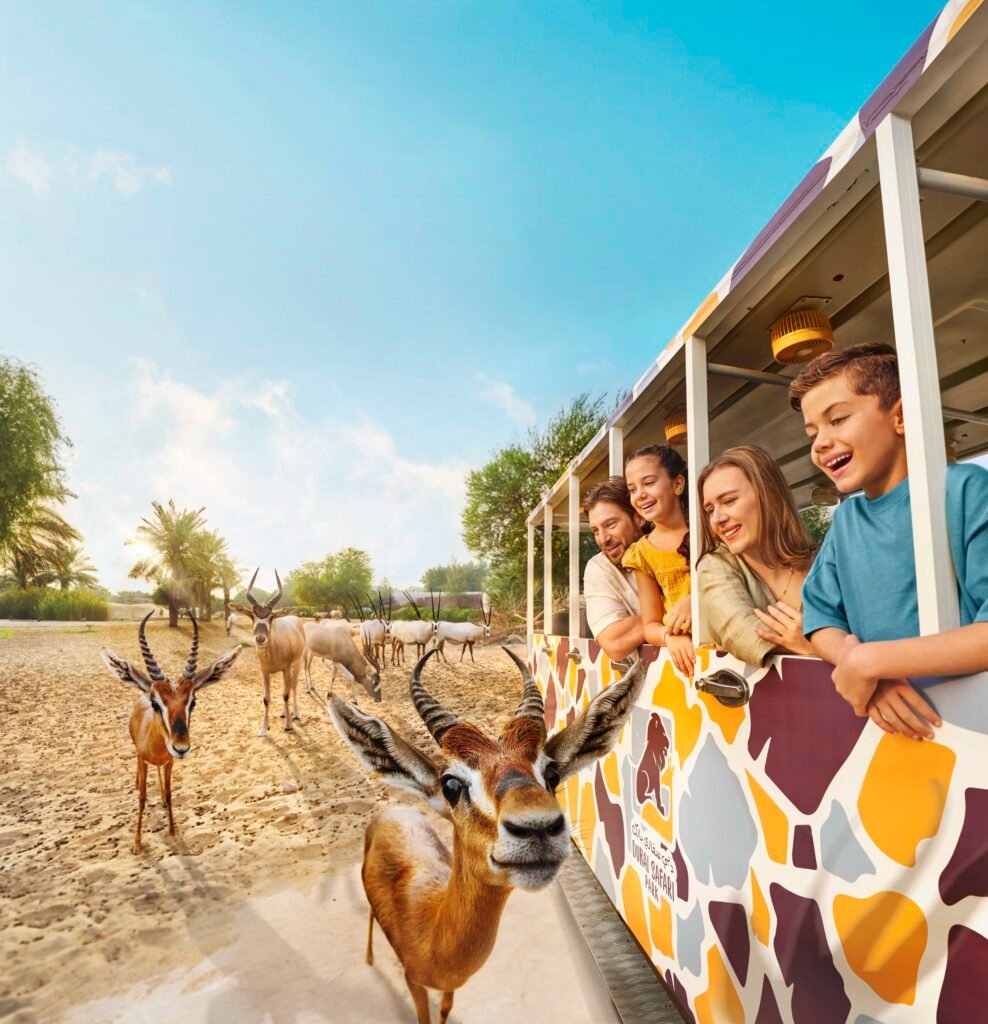
Dubaim, April 17, 2026 :  Dubai Safari Park has been officially welcomed as an Institutional Member of the World Association of Zoos and Aquariums (WAZA) on 19 March 2026, marking a significant milestone in its journey towards global excellence in conservation, animal welfare, and education.

WAZA is the leading global organisation representing zoos and aquariums committed to the highest standards of animal welfare, conservation, scientific research, and public education. With this membership, Dubai Safari Park joins a select group of internationally recognised institutions, reinforcing its position as a credible and responsible wildlife destination aligned with global best practices.

The achievement builds on Dubai Safari Park’s existing membership with the European Association of Zoos and Aquaria (EAZA), further strengthening its international standing and commitment to continuous improvement across all areas of operation.

By joining WAZA, Dubai Safari Park enhances its contribution to global conservation efforts while gaining access to international expertise, research, and collaborative programmes. The membership also enables participation in global initiatives such as conservation funding opportunities and knowledge exchange platforms, supporting the Park’s long-term sustainability and biodiversity goals.

Home to more than 3,000 animals representing over 300 species, Dubai Safari Park is one of the largest wildlife parks in the region. Its continued development reflects a broader vision to integrate conservation, education, and visitor experience within a sustainable and future-focused environment.

Muna Alhajeri, Park Director of Dubai Safari Park, said: “Joining the World Association of Zoos and Aquariums marks a significant milestone for Dubai Safari Park and reflects our ongoing commitment to the highest international standards of animal welfare, conservation, and education. This membership strengthens our role within the global conservation community and supports our efforts to deliver meaningful educational experiences while contributing to the protection of biodiversity. It also reinforces Dubai Safari Park’s position as a responsible and world-class wildlife destination for residents, visitors, and partners.”

David Field, President of the World Association of Zoos and Aquariums (WAZA), said:“WAZA is delighted to welcome Dubai Safari Park to this community of progressive conservation zoos. Their achievements to date and the aspirations and ambitions for conservation are truly admirable.”

This milestone reflects Dubai Safari Park’s alignment with global sustainability and biodiversity priorities, supporting Dubai’s broader vision to position itself as a leading destination for sustainable tourism and environmental stewardship. It also strengthens confidence among visitors, families, and educational institutions by reaffirming the Park’s adherence to internationally recognised standards.

Through its WAZA membership, Dubai Safari Park will continue to invest in advancing animal welfare practices, expanding conservation programmes, and enhancing public awareness through education and engagement initiatives. The Park remains committed to delivering high-quality visitor experiences while contributing to global efforts to protect wildlife and natural ecosystems.

Dubai Safari Park continues to play a key role in enhancing Dubai’s liveability, sustainability, and pioneering vision by creating immersive, educational, and responsible wildlife experiences that connect communities with nature.

Bahrain ,April 14 , 2016 : Bahrain’s gross domestic product (GDP) grew 3.5 percent at constant prices in 2025 compared with 2024, according to preliminary national accounts estimates released by the Information & eGovernment Authority (iGA).

Real GDP reached BHD15,709.8 million in 2025 at constant prices, up from BHD15,181.4 million in 2024.

In the fourth quarter, GDP expanded 4.6 percent at constant prices and 5.1 percent at current prices year-on-year, the Bahrain News Agency reported.

The non-oil sector rose by 7.4 percent at constant prices and 7.9 percent at current prices.

Dubai , April 15c, 2026: The UAE has announced that it will host the 2029 Annual Meetings of the World Bank Group and the International Monetary Fund (IMF) in Abu Dhabi, in yet another vote of international confidence in the country’s economy.

The move will further reinforce the UAE’s position as a global financial hub as well as a key partner in supporting the stability of the international economic system and shaping its future direction.

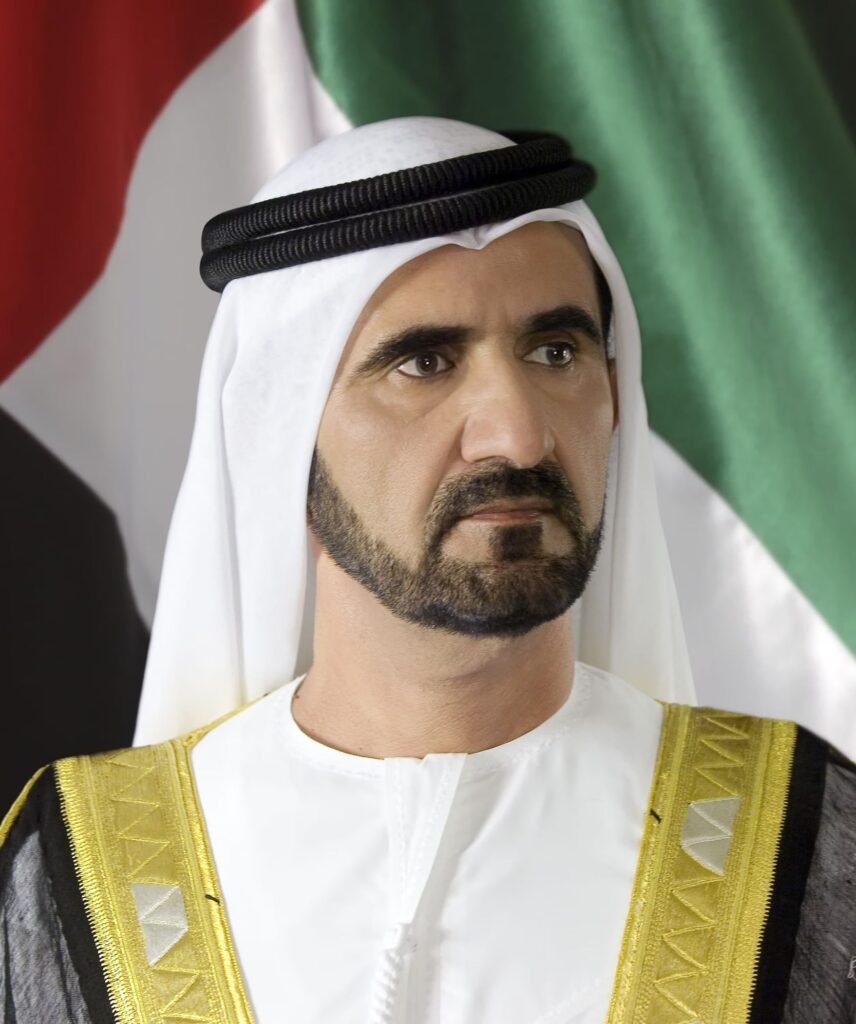
His Highness Sheikh Mohammed bin Rashid Al Maktoum, Vice President, Prime Minister and Ruler of Dubai said: “In a global vote that reflects international confidence and underscores the UAE’s strong financial standing, the United Arab Emirates has been chosen to host the 2029 Annual Meetings of the World Bank Group and the International Monetary Fund in Abu Dhabi, a clear reflection of the strength and capability of its people.”

His Highness added: These global meetings bring together central bank governors and finance ministers from 190 countries and serve as a key platform to shape global financial stability policies and define the future of the international economy.

H.H. said: Proud of the United Arab Emirates, proud of its economic and financial talent, proud of its growing global standing, and proud of the trust it continues to earn from the world, day after day.

The UAE was selected to host the global event after securing the highest number of votes as part of an international evaluation process, demonstrating global trust in the country’s economic power, institutional readiness, and its stable and resilient economic environment.

The decision is also a testament to the UAE’s balanced fiscal and monetary policies, advanced infrastructure, and extensive experience in hosting major international events, further strengthening its role as a global platform for multilateral economic dialogue.

The hosting also builds on the UAE’s track record in organising such meetings, having previously hosted the same event in Dubai in 2003.

H.H. Sheikh Maktoum bin Mohammed bin Rashid Al Maktoum, First Deputy Ruler of Dubai, Deputy Prime Minister and Minister of Finance, stressed that hosting the 2029 Annual Meetings of the World Bank Group and the International Monetary Fund is in line with the country’s strategic vision of strengthening international partnerships and reinforcing its role as a key hub supporting global financial and economic stability.

H.H. noted that the UAE will continue to bolster its position in shaping the future of the global economy through an approach driven by openness, cooperation, and flexible fiscal as well as economic policies that stimulate growth and stability.

Sheikh Maktoum added: “This global event will provide a significant platform to promote constructive financial and economic dialogue among countries worldwide. We are committed to providing an ideal environment that leads to tangible outcomes supporting sustainable development and strengthening global financial and economic integration.”

Hosting this major international gathering, Sheikh Maktoum said, also showcases the UAE’s readiness, backed by its sophisticated infrastructure and proven organisational expertise, to serve as a global centre for economic decision-making and an effective platform for building international partnerships that shape the future of the global economy.

The Annual Meetings of the World Bank Group and the International Monetary Fund are among the world’s most important economic gatherings, bringing together finance ministers, central bank governors, policymakers and experts from more than 190 countries.

Every year, the meetings provide an ideal setting to discuss global economic priorities, including growth prospects, financial stability, sustainable development and challenges facing the global economy.

Therefore, hosting this event carries significant strategic importance for the UAE, further strengthening its role as a trusted partner in international economic decision-making.

The decision also builds on the UAE’s active role in supporting multilateral cooperation, fostering constructive dialogue between advanced and emerging economies.

Through such platforms, the country seeks to accelerate efforts to develop innovative solutions to global economic challenges while also promoting inclusive and sustainable economic growth worldwide.

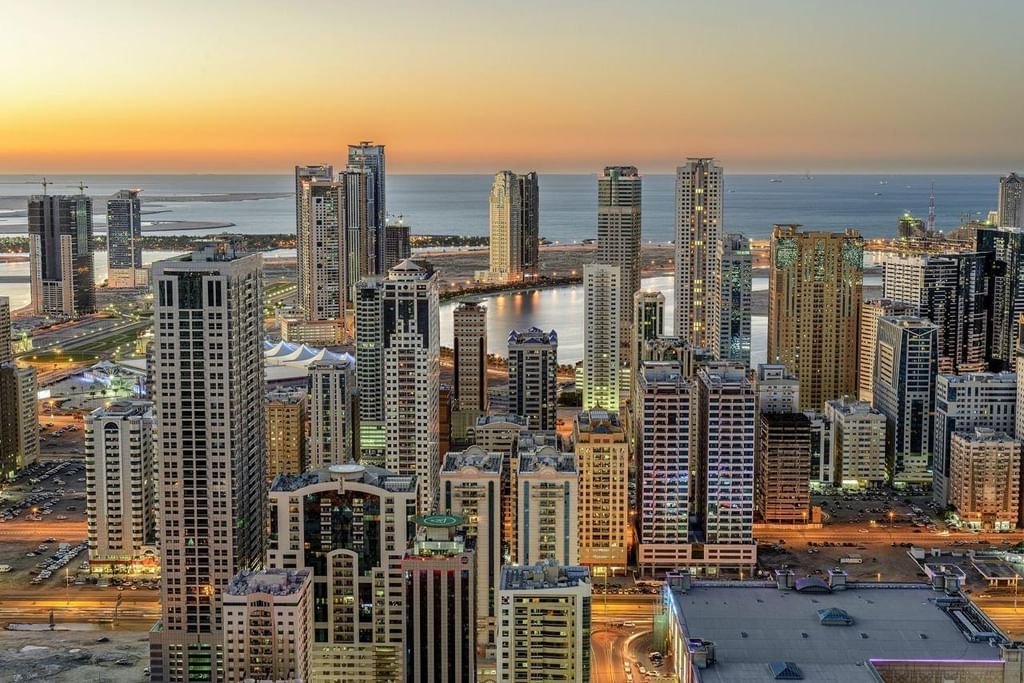
Sharjah , April 14, 2026 : The real estate sector in the Emirate of Sharjah continued its strong performance during the first quarter of 2026, achieving notable growth in trading value and total transactions despite regional challenges.

Total real estate trading value reached AED18.5 billion, compared to AED13.2 billion during the same period in 2025, marking a growth of 40.7 percent and reflecting the sector’s resilience and growing investor confidence.

According to data released by the Sharjah Real Estate Registration Department, the total number of real estate transactions executed during the first quarter reached 29,235, representing an increase of 18.9 percent compared to the previous year.

Abdulaziz Ahmed Al Shamsi, Director-General of the Sharjah Real Estate Registration Department, affirmed that the emirate’s real estate sector continues its accelerated growth despite current conditions, supported by investor confidence and an adaptive legislative environment. This reflects the success of strategic plans and enhances the market’s attractiveness for long-term investments.

He added that digital transformation and smart services have contributed to accelerating procedures and improving transaction efficiency, positively impacting customer experience and strengthening Sharjah’s position as one of the leading real estate markets in the UAE and the region.

During the first quarter of 2026, seven new real estate projects were registered in the Emirate of Sharjah. These projects spanned residential, industrial and commercial sectors, reflecting the emirate’s commitment to developing an integrated urban environment that meets the needs of residents and investors while supporting sustainable market growth.

A total of 47 projects in the Emirate of Sharjah have been approved for ownership by non-UAE nationals and GCC nationals since the issuance of Executive Council Resolution No. (30) of 2022 regarding property ownership in the emirate. Among these, three projects received approval during the first quarter of 2026.

Sharjah witnessed a notable increase in the diversity of nationalities investing in its real estate sector during the first quarter of 2026, reaching 113 nationalities, compared to 97 nationalities in 2025.

The number of properties traded by investors of various nationalities reached 15,926, compared to 11,852 properties during the same period last year, reflecting a broader investor base and reinforcing the emirate’s real estate market appeal.

UAE nationals accounted for approximately AED9 billion of the total trading value, represented by 10,099 properties. GCC nationals invested AED0.8 billion across 502 properties, while Arab nationals invested AED3.4 billion through 2,692 properties. Investors from other nationalities accounted for AED5.3 billion across 2,633 properties.