
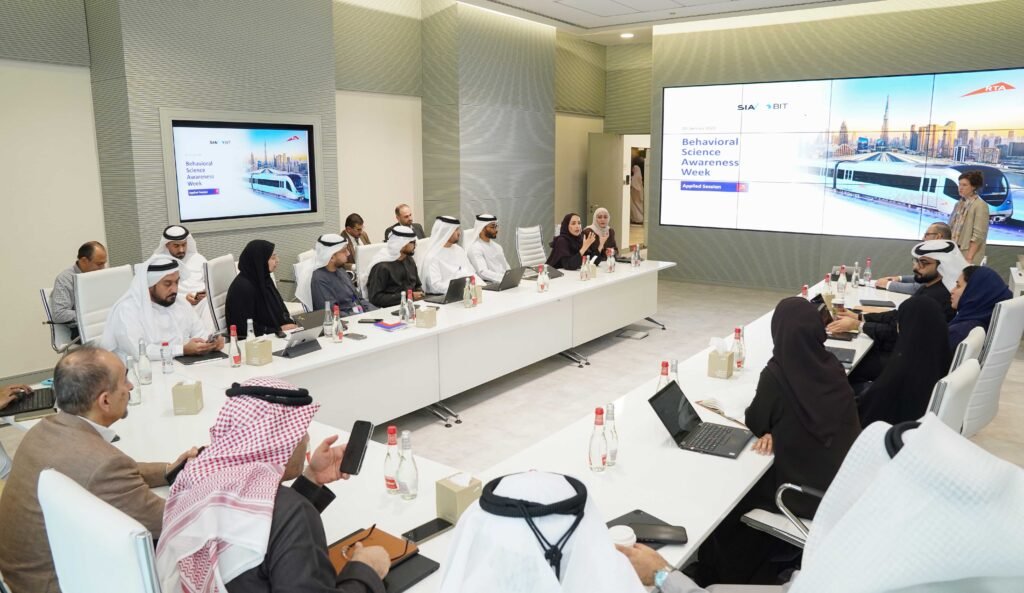
Dubai , April 7 , 2026 : Dubai’s Roads and Transport Authority (RTA) recently concluded the
Behavioural Science Awareness Week for Leadership. The event formed
part of a pioneering leadership initiative reflecting RTA’s commitment to
strengthening corporate excellence and adopting the latest global
practices to enhance quality of life and improve the efficiency of Dubai’s
transport system.
The event was organised in line with the Government of Dubai’s approach
to leveraging behavioural science as a strategic tool to advance public
policy, improve service quality, and support evidence-based decision-
making, contributing to a positive and sustainable impact on corporate
performance and customer experience.
The programme aims to equip leadership with a deeper understanding of
the scientific foundations of human behaviour while exploring their
practical application in the design of initiatives and services. This
strengthens RTA’s ability to develop effective, agile solutions that address
community needs and align with future aspirations.
Moaza Saeed Al Marri, CEO of Executive Affairs Sector, RTA, said: “RTA
is committed to embedding behavioural science as a supporting corporate
approach to developing services and policies. This contributes to a deeper
understanding of customer needs, the design of more efficient and
effective experiences, and delivery of a sustainable positive impact across
Dubai’s transport system, in line with the Government of Dubai’s
directions to enhance quality of life and well-being in the emirate.”
She added: “Behavioural Science Awareness Week serves as a practical
platform for knowledge exchange and capacity building. It focuses on
translating behavioural concepts into actionable initiatives that enhance customer experience, improve service efficiency, and strengthen a culture
of innovation and continuous improvement within the corporate work
environment.”
“The Behavioural Science Awareness Week for Leadership resulted in the
development of more than 27 behavioural use cases, along with a range
of insights and lessons learned. These were presented during a
concluding leadership workshop to ensure that the knowledge gained is
translated into practical applications and sustainable initiatives that can be
built upon in RTA’s future projects.”
“The active participation of leadership in the event, coupled with sustained
corporate support, formed a key pillar of the initiative’s success and
maximised its impact. This further reinforces RTA’s position as a leading
government entity in adopting global best practices, achieving corporate
excellence, and advancing quality of life in Dubai,” she concluded.
Integrated Programme and International Experts
The Behavioural Science Awareness Week for Leadership brought
together a distinguished group of international behavioural science
experts who delivered a series of interactive sessions, leadership
discussions, and practical exercises focused on translating theoretical
knowledge into applicable tools for RTA’s projects and services.
The programme covered a range of integrated topics, including evidence-
based behavioural policy design, the promotion of positive behaviours
within the transport system, enhancement of customer experience through
behavioural interventions, and support for corporate decision-making
using behavioural models.
These activities contributed to the development of innovative ideas and
behavioural initiatives that enhance quality of life, improve service
efficiency, and support RTA’s direction towards continuous improvement.
News
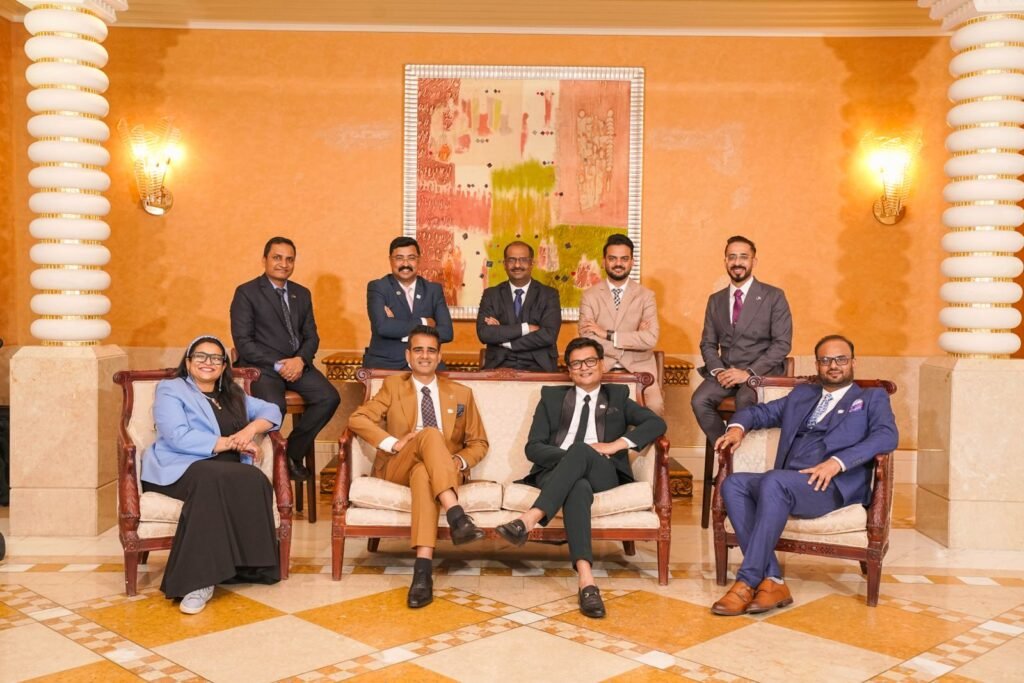
Dubai,April 06, 2026 :The Dubai Chapter of the Institute of Chartered Accountants of India (ICAI) has announced its newly elected Executive Committee for the year, with Rishi Chawla assuming charge as Chairman of the Chapter.
He will be supported by Amit Khaitan as Vice Chairman, along with Aashna Mulgaonkar as Secretary and Sanjay Gagarani as Treasurer.
The Executive Committee further comprises Vijaya Mohan, Dixit Jain, Mahendra Khiani, Ugamoorthy T, and Manish Saraf, who will collectively work towards strengthening the Chapter’s initiatives and member engagement during the year.
The ICAI Dubai Chapter, established in 1982, is the largest, most active, and award-winning among the 54 overseas chapters of ICAI. It has witnessed phenomenal growth in recent years and currently has over 3,200 members in Dubai, with a wider reach to more than 6,000 professionals in the region, representing over 1,550 multinational and other companies.
The Dubai Chapter operates under its parent body, The Institute of Chartered Accountants of India (ICAI), which has a strong global presence across 85 cities in 47 countries, reinforcing its international outreach and professional network.
Speaking on the occasion, Rishi Chawla, Chairman, expressed his heartfelt gratitude to the members for their continued trust and confidence: “I sincerely thank our members for entrusting us with this responsibility. With the blessings of the Almighty and the strength of our community, we will not only navigate the challenges ahead with resilience, but rise stronger, more united, and more purposeful than ever before.”
The newly elected committee takes charge at a time of evolving global and regional dynamics, where the UAE continues to provide a strong, stable, and inspiring environment. Drawing strength from this, the focus will be on addressing members’ evolving challenges through stronger industry connect and practical insights, while also promoting entrepreneurship and leadership, in addition to compliance.
The Chapter also conveyed its appreciation to the past leadership for their guidance and contribution in shaping a strong and vibrant platform for members.
With a committed team, continued guidance from senior members, and unwavering support from the community, the ICAI Dubai Chapter looks ahead with confidence to a year of meaningful impact and collective growth.
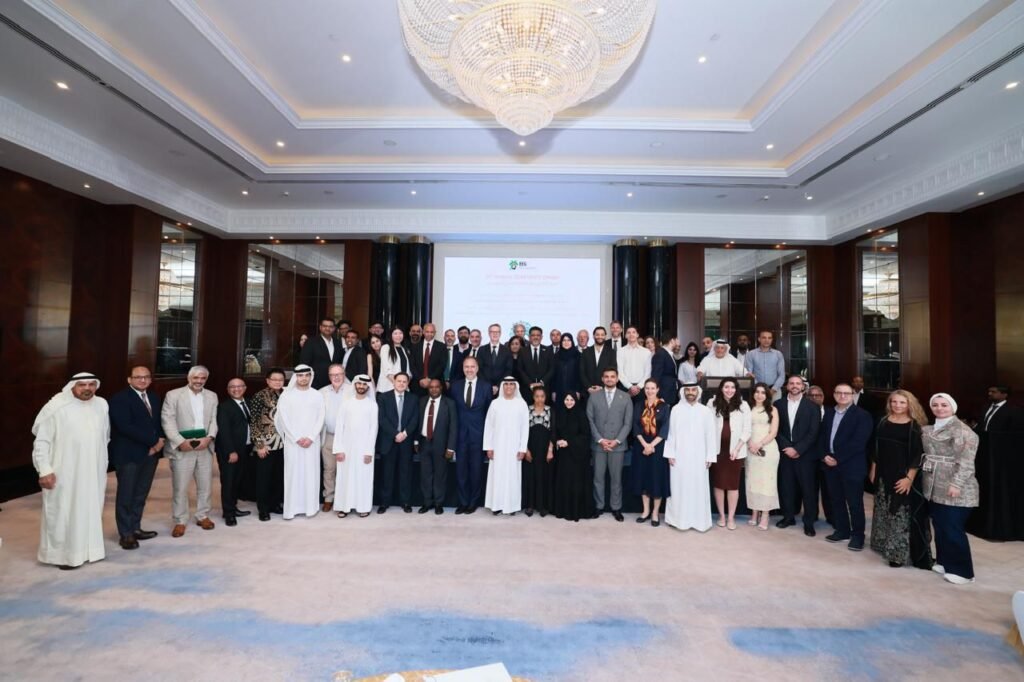
Dubai , April 3, 2026 : The Emirates Environmental Group (EEG) hosted its 29th Annual Corporate Gala Dinner, a distinguished evening dedicated to recognising sustainability leadership, strengthening partnerships and reaffirming the UAE’s steadfast commitment to environmental progress. Held under the gracious patronage of His Highness Engr. Sheikh Salim Bin Sultan Bin Saqr Al Qasimi, Chairman of Ras Al Khaimah Civil Aviation and Member of the Executive Council of the Government of Ras Al Khaimah, the event convened high-level dignitaries, members of the diplomatic corps, corporate executives, policymakers and sustainability advocates from across the region.
This year’s gathering took place at a time when parts of the Middle East are navigating geopolitical tensions, underscoring the importance of resilience, unity and responsible leadership. Against this backdrop, the Gala Dinner served as a powerful reminder that sustainability is not secondary to stability — it is foundational to it. The UAE continues to demonstrate foresight and measured leadership, maintaining its trajectory of sustainable growth while reinforcing economic diversification, climate ambition and environmental governance.
The presence of esteemed Ambassadors and Consuls General representing Europe, Asia, Africa, Central America, South America and Oceania reflected the international dimension of the UAE’s sustainability journey and highlighted EEG’s growing role in bridging local impact with global environmental dialogue.
The evening featured H.E. Dr. Nawal Al Hosany, Permanent Representative of the UAE to the International Renewable Energy Agency (IRENA), as the keynote speaker, where she delivered an inspiring address highlighting the UAE’s leadership in advancing climate action and sustainable development.
Under the theme “Rooted Together: Partnerships Sustaining a Greener Tomorrow,” the evening emphasised the collective responsibility required to address climate change, resource management and sustainable development. In her keynote address, Dr. Habiba Al Mar’ashi, Co-Founder and Chairperson of EEG, underscored that sustainability today is no longer a peripheral agenda but a strategic necessity for national resilience, economic competitiveness and social cohesion.
She noted that the UAE’s continued advancement of its Net Zero 2050 Strategy, circular economy frameworks and sustainable finance mechanisms reflects a national vision that integrates environmental stewardship with long-term prosperity. She further aligned EEG’s mission with the national declaration of 2026 as the Year of Family, emphasising that sustainability begins with shared values, intergenerational responsibility and collective action.
The 29th Annual Corporate Gala Dinner recognised 52 entities from across the UAE for their outstanding support and measurable contributions to EEG’s environmental programmes in 2025. These organisations represented a wide spectrum of industries including hospitality, banking, logistics, retail, education and government institutions, reinforcing that sustainability is a shared endeavour across all sectors of society.
Over the course of 2025, EEG continued to translate commitment into measurable impact. Through its nation-wide educational programmes, the organisation engaged 738,785 students across national, regional and international platforms, empowering youth to become environmental ambassadors and responsible global citizens. In the area of waste management, EEG successfully diverted 1,744,328 kilograms of recyclable materials from landfill into recycling facilities, mitigating 6,006.77 metric tonnes of carbon dioxide emissions and preserving 11,215 cubic metres of landfill space and engaging more than 2,489 entities.
EEG’s nationwide urban afforestation efforts resulted in the planting of 14,301 native trees across the Emirates in 2025, bringing the cumulative total to more than 2,155,786 trees planted since 2007. The Clean UAE Campaign mobilised over 84,123 volunteers, cleaned 98 square kilometres of land and removed 45,692 kilograms of waste from natural and public areas further embedding environmental responsibility within communities and workplaces across the country.
In her address, Dr. Al Mar’ashi highlighted the evolving role of the private sector in driving sustainable transformation. She emphasised that sustainability is increasingly integrated into corporate governance, risk management and long-term growth strategies, reflecting a shift from voluntary initiatives to structural ESG alignment. She called upon corporations, government entities and individuals to continue advancing measurable action, innovation and transparency in environmental performance.
EEG’s engagement extends beyond national initiatives, with active participation in leading international platforms including the United Nations Environment Programme, the Global Investors for Sustainable Development Alliance and the World Green Building Council. Through these collaborations, EEG continues to amplify the UAE’s constructive role in advancing global sustainability efforts and fostering cross-border cooperation.
The success of the 29th Annual Corporate Gala Dinner was made possible through the valued support of its sponsors. McDonald’s UAE served as the Platinum Sponsor, Berkeley Servicesand CARES Middle East as Silver Sponsors, Wasl as Special Sponsor, Farnek as Carbon Neutral Partner and the Arabia CSR Network as Sustainability Partner. Their continued partnership reflects the maturity and commitment of the UAE’s corporate sustainability ecosystem.
As EEG approaches three decades of environmental leadership, the organisation remains committed to strengthening partnerships, accelerating circular economy adoption and empowering communities to contribute actively to a resilient and sustainable future. The 29thAnnual Corporate Gala Dinner stood not only as a celebration of achievements, but as a renewed commitment to shaping a greener, stronger and more sustainable tomorrow for the UAE and the region.
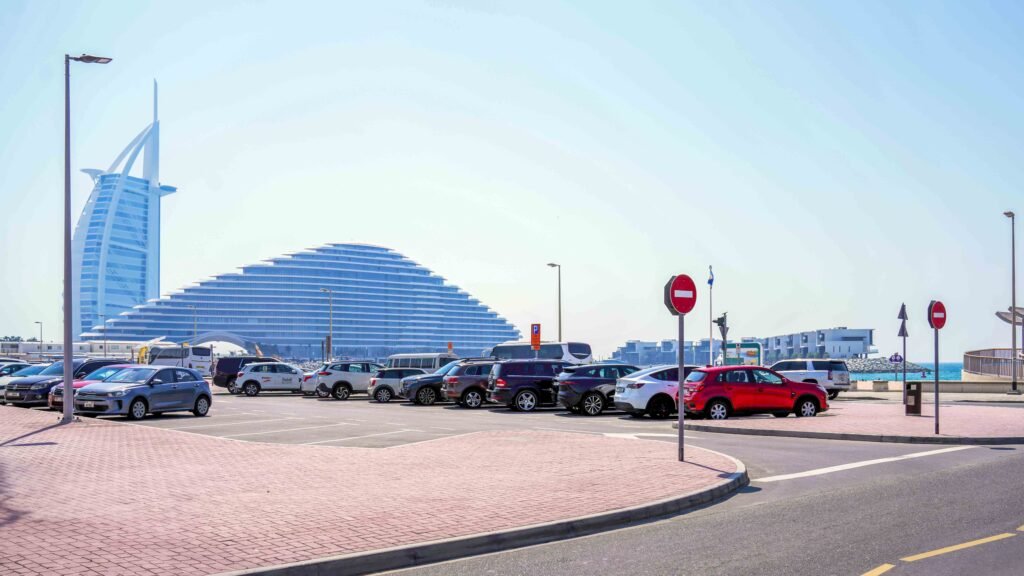
Dubai ,April 3, 2026 : Dubai’s Roads and Transport Authority (RTA) has announced the
commencement of sidewalk maintenance and rehabilitation works
across the emirate, covering a total area of 90,000 square metres, in
line with approved preventive maintenance plans for 2026. The
works reflect RTA’s commitment to improving sidewalks quality and
performance, preserving Dubai’s urban landscape, and supporting
the sustainability of infrastructure assets while enhancing quality of
life in the emirate.
The total area of sidewalks maintained and rehabilitated by RTA in
2025 reached approximately 88,000 square metres. The works were
implemented across residential, tourist, commercial, economic, and
coastal areas throughout the emirate.
Abdulla Ali Lootah, Director of Roads and Facilities Maintenance at
Traffic and Roads Agency, RTA, said: “sidewalks maintenance
forms an integral part of RTA’s strategy to preserve road furniture,
maintain high standards of quality and safety, extend service life,
and strengthen long-term sustainability, while safeguarding the
emirate’s urban outlook and visual appeal. The works also help
protect pedestrians and all sidewalk users, supporting RTA’s vision
of becoming The World Leader in Seamless and Sustainable
Mobility, in line with international best practices.”
Lootah added: “RTA adopts the latest global technologies and
advanced maintenance practices to monitor the condition of
infrastructure assets and their various components through
sophisticated systems and works that support the management of
road and facility maintenance. These efforts reinforce the
sustainability of Dubai’s road infrastructure and preserve structural
integrity, while ensuring the highest levels of safety for road users, a
priority that remains central to RTA’s work. The works also align with
the emirate’s continued urban growth and development and supportthe strategic objective of enhancing quality of life for Dubai’s
residents and visitors.”
He noted that preventive sidewalk maintenance works scheduled for
2026 will cover several key areas across the emirate, most notably
Al Nahda 2, Al Baraha, Nad Shamma, Nad Al Hamar, Al Muhaisnah
1, 2 and 3, Al Twar 4, Al Barsha 2 and 3, Umm Suqeim 3, Al
Manara, Al Safa 2, Jumeirah 2, Za’abeel 2, and Oud Maitha.
The works include the maintenance of pedestrian paving, paving at
intersections and service roads for vehicles, as well as shared
sidewalks used by pedestrians and cyclists. The scope also covers
repairing sidewalks affected by subsidence, erosion, breakage, or
tile loss resulting from misuse or environmental factors.
RTA emphasised commitment to maintaining all necessary safety
measures for the public during the execution of the works and
ensuring the safe and smooth movement of pedestrians while
sidewalk maintenance and rehabilitation activities are carried out
across the emirate.
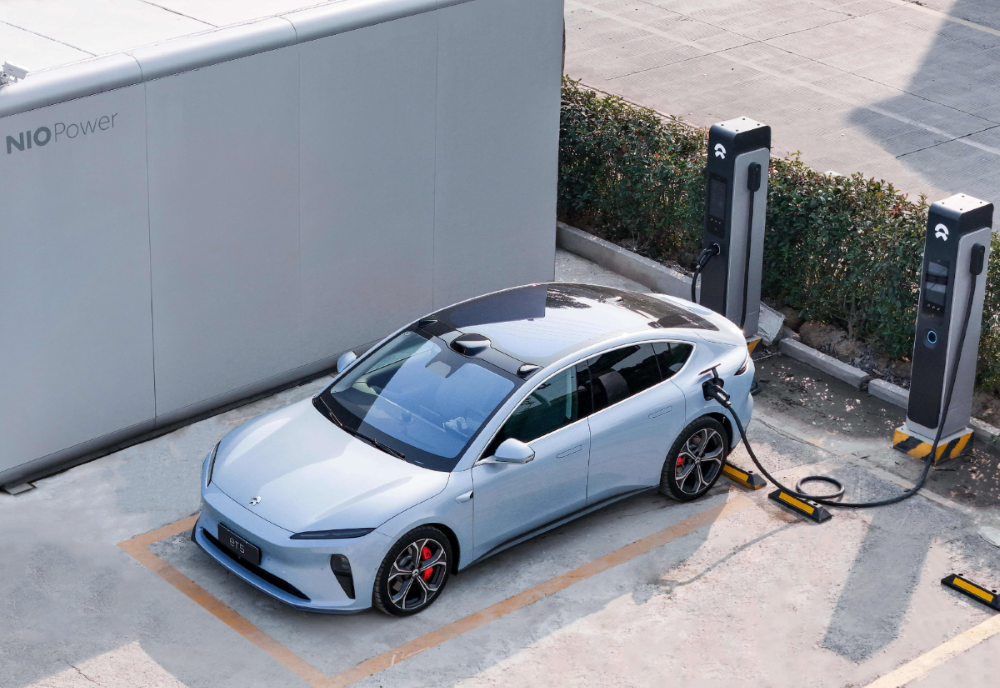
Abudhabi, April 3, 3026 : With Super 98 petrol now at AED 3.39 per litre and Special 95 at AED 3.28, in the UAE, the cost gap between conventional and electric vehicles in the UAE has widened to levels that are forcing a rethink across corporate fleets and private ownership alike. An analysis by NIO MENA reveals just how significant the gap has become.
At current pump prices, a standard petrol vehicle averaging 12 km/litre costs approximately AED 275 to AED 280 to cover 1,000 km. An electric vehicle running on home charging covers the same distance for just AED 45, a saving of more than AED 230 per 1,000 km.
Even using rapidly growing public infrastructure, the economics favour EVs. Public AC charging brings the cost to around AED 120 per 1,000 km, while DC fast charging, the most expensive option, still delivers savings of roughly AED 90 per 1,000 km.
Cost Per 1,000 km at Current Fuel Prices
• Petrol (Super 98): AED 280
• EV: Home Charging: AED 45 (84% saving vs. Petrol)
• EV: Public AC Charging: AED 120 (57% saving vs. Petrol)
• EV: Public DC Fast Charging: AED 180 (36% saving vs. Petrol)
For fleet operators managing hundreds or thousands of vehicles, these margins compound rapidly. A corporate fleet covering 30,000 km per vehicle annually stands to save between AED 2,700 and AED 6,900 per vehicle per year depending on the charging method, with home or depot charging delivering the strongest returns. The savings extend beyond fuel. Electric vehicles carry lower maintenance costs due to fewer moving parts and no need for oil changes.
Combined with the UAE government’s supportive policy environment and the national Net Zero by 2050 Strategic Initiative, the total cost of ownership case for EVs has become difficult to ignore. The UAE’s EV infrastructure is expanding in parallel. Public charging networks are growing across Abu Dhabi, Dubai, and other emirates, reducing range anxiety and making electric vehicles viable for a broader range of use cases outside of private ownership, from last mile delivery to executive transport.
With fuel prices showing no signs of easing and EV technology continuing to improve, the transition to electric mobility is accelerating from a forward-looking ambition into an immediate business priority.
“When running an electric vehicle can save you up to 84% compared to petrol, this is no longer a debate about sustainability preferences. It is a bottom-line decision. The UAE’s policy environment and charging infrastructure have matured to a point where switching to electric is simply the more intelligent financial choice. For fleet operators managing hundreds of vehicles, these margins compound into significant annual savings. That reality is only going to sharpen as the market evolves,” said Mohammad Maktari, CEO of NIO MENA.
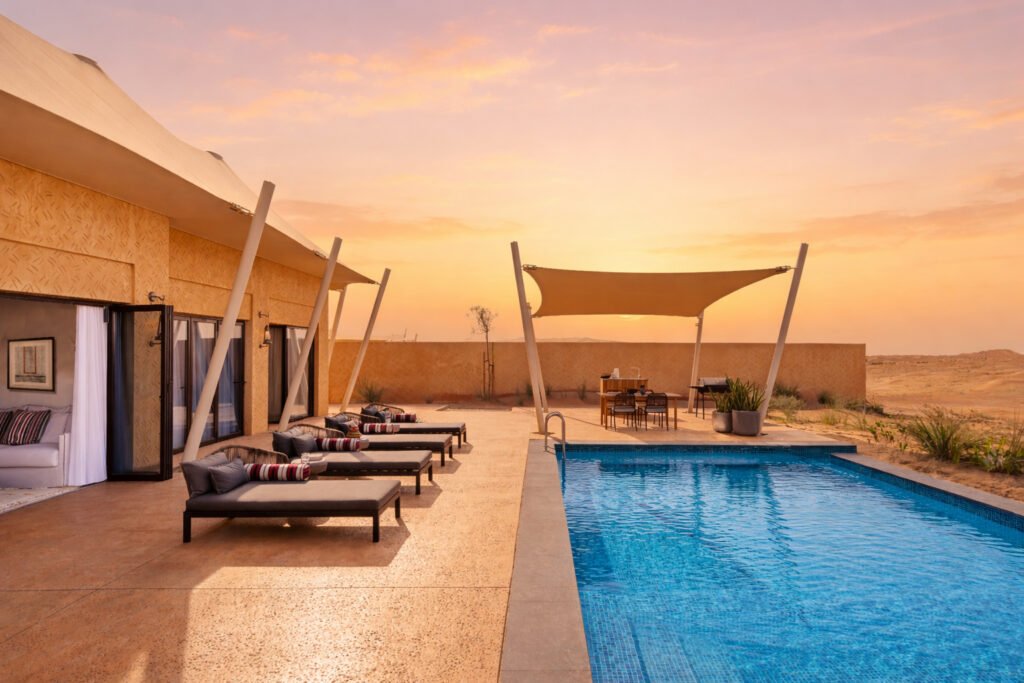
Sharjah , April 2 , 2026 :In a tribute to the dedication and sacrifice of the nation’s defenders, UAE Ministry of Defense personnel and their families are being offered a new luxury getaway experience through the launch of the ‘Honoring Service Retreat’ by Sharjah Collection.
The exclusive Homat Al Watan initiative extends special privileges to Armed Forces members, retirees, and their loved ones, inviting them to unwind across a curated portfolio of boutique retreats that blend heritage, nature, and refined comfort.
The offer is available at all Sharjah Collection destinations, including Al Badayer Retreat, Al Faya Retreat, Kingfisher Retreat, Moon Retreat, Najd Al Meqsar, Al Rayaheen Retreat, and Nomad by Sharjah Collection.
From sweeping desert landscapes to tranquil mountain hideaways and secluded eco-retreats, each property offers a distinctive setting designed to provide privacy, serenity, and meaningful connection. The initiative underscores Sharjah Collection’s commitment to delivering immersive hospitality experiences rooted in authenticity and a strong sense of place.
Whether guests are planning a family holiday, a weekend escape, or a special occasion, the ‘Honoring Service Retreat’ is tailored to create memorable moments in some of the emirate’s most scenic environments.
Exclusive Offer Highlights
- 30% discount on Best Available Rates across all properties
- Valid on weekdays and weekends
- 20% discount on food and beverage during the stay
- 20% discount on wellness services (where available)
- Dedicated exclusively to Ministry of Defense and Armed Forces personnel, retirees, and their families
Terms & Conditions
Cannot be combined with other promotions or discounts
Valid for stays from 23 March to 30 September
Applicable to eligible personnel and families (valid ID required at check-in)
Subject to availability at the time of booking
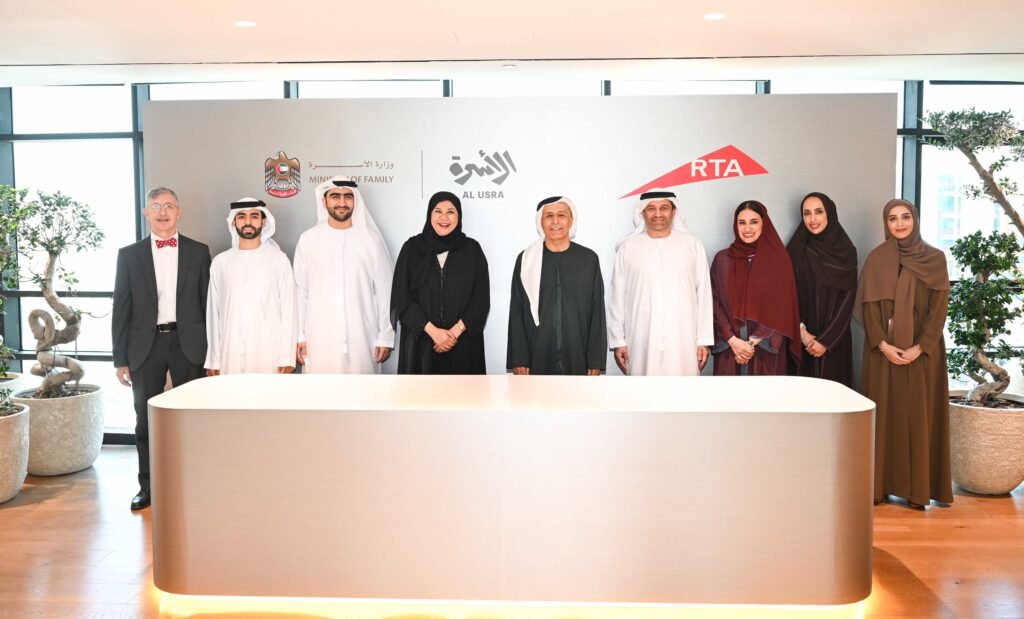
Dubai, April 1, 2026: The Ministry of Family UAE and Dubai’s Roads and Transport Authority (RTA) have signed a landmark partnership agreement aimed at supporting the “Family First” programme and enhancing quality of life across the emirate.
The initiative aligns with the objectives of the National Family Growth Agenda 2031, reinforcing the role of the Emirati family as a cornerstone of sustainable development, social cohesion, and national identity.
Integrated Approach to Family-Centric Urban Development
The agreement introduces a comprehensive framework that integrates social policy with urban planning. It focuses on developing a family-friendly environment across transport systems, infrastructure, public amenities, and urban spaces—ensuring that mobility and city design directly support family well-being.
Her Excellency Sana bint Mohammed Suhail, Minister of Family, described the partnership as a “qualitative step” in expanding the reach of the “Family First” programme into sectors that directly impact daily life.
“Through this collaboration, we translate the objectives of the National Family Growth Agenda 2031 into tangible design and operational standards across the transport system and urban facilities,” she said.
She emphasised that embedding family values into urban environments—through innovative, behaviourally informed design—will enhance comfort, accessibility, and overall user experience for families.
Strengthening Transport as a Social Enabler
His Excellency Mattar Al Tayer, Director General and Chairman of the Board of Executive Directors at RTA, highlighted the authority’s commitment to delivering sustainable social impact through strategic partnerships.
“The partnership with the Ministry of Family reflects RTA’s commitment to working closely with strategic partners to enhance integration and deliver sustainable social impact,” Al Tayer stated.
He added that the collaboration will establish new planning standards that embed family-oriented concepts into transport stations, public facilities, and urban development projects—further strengthening Dubai’s global leadership in human-centred urban planning.
Key Community-Focused Initiatives
As part of the agreement, RTA has introduced a series of initiatives aimed at easing daily life and improving accessibility for various segments of society:
- Exemption of senior Emiratis from parking fees
- Discounted public transport fares for senior Emiratis and students
- Full exemptions for People of Determination from Salik toll fees, parking charges, public transport fares, and vehicle registration and renewal fees
- 50% reduction in taxi fares and driver licensing fees for People of Determination
These measures are designed to promote inclusivity, reduce financial burdens, and ensure equitable access to mobility services.
Supporting the “Year of Family”
The partnership also complements broader initiatives introduced during the Year of Family. RTA has launched programmes to support family stability and community engagement, including:
- Organising mass weddings for Emirati employees
- Supporting home-based family businesses through dedicated retail spaces at transport stations
- Introducing a mobile nursery service for employees
- Producing digital content that promotes Emirati family values
- Issuing special nol cards dedicated to the Year of Family
Additionally, RTA continues to expand its community services, including women and children’s cabins on public transport, student nol card distribution, and specialised services for People of Determination.
A Vision for Sustainable Social Development
The “Family First” programme, launched during the World Government Summit 2026, represents a national strategic initiative to strengthen family cohesion and societal stability. Initially implemented in Dubai, the programme is set to expand across the UAE through partnerships with key entities such as Dubai Municipality, Majid Al Futtaim Group, and Union Coop.
By embedding family-focused principles into urban planning and public services, the initiative positions Dubai as a global model for cities prioritising quality of life and sustainable development.
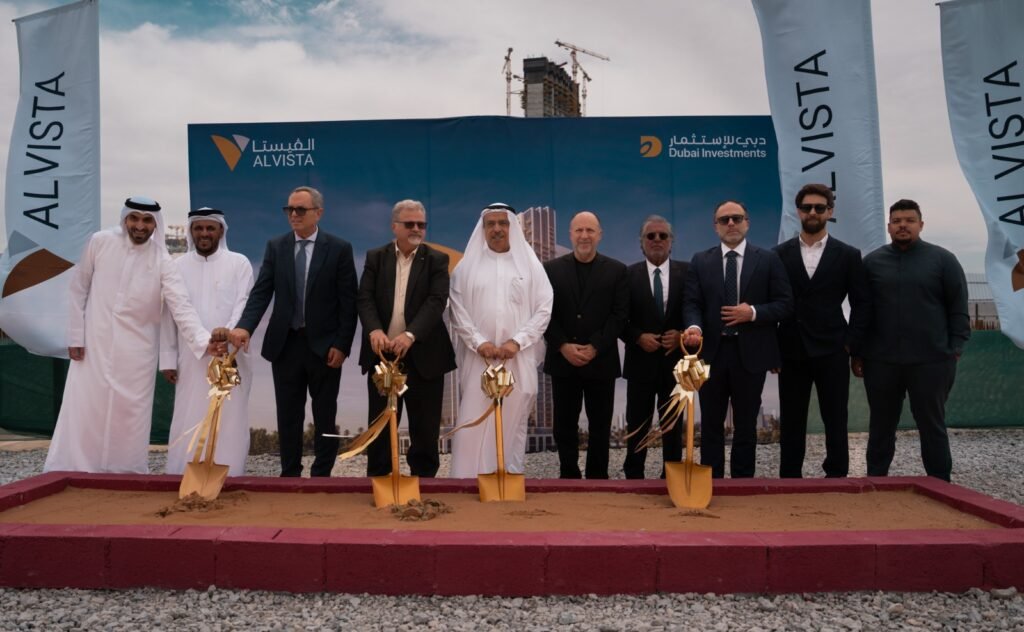
Dubai, March 31, 2026: Dubai Investments breaks ground on Al Vista, its landmark
mixeduse development in Meydan Horizon.
Developed through its whollyowned real estate subsidiary, Dubai Investment Real Estate
(DIR), Al Vista is a largescale mixeduse development comprising residential, commercial
and retail components within a unified masterplan.
The groundbreaking ceremony was held in the presence of Khalid bin Kalban, Vice
Chairman and CEO, Dubai Investments, Obaid Salami, General Manager, Dubai Investment
Real Estate along with other senior representatives and the contractor for the project.
As part of the milestone, DIR also signed the main construction contract with JV Hourie
Paramount appointing the contractor to deliver the project in line with the approved
execution plan.
Commenting on the ground-breaking, Obaid Salami, General Manager of Dubai
Investment Real Estate, said: “Al Vista represents an important addition to DIR’s portfolio
and reflects a disciplined approach to development, anchored in quality, execution certainty
and longterm value creation. With main construction now underway, DIR is committed to
delivering wellplanned, highquality developments in key growth locations across Dubai,
positioning Al Vista to emerge as a defining mixeduse destination upon completion.”
Located within Meydan Horizon, one of Dubai’s most soughtafter mixeduse districts, Al Vista
comprises a 39storey residential tower featuring 312 apartments, including one, two and
threebedroom units, alongside a 19storey commercial tower offering approximately 120,000
sq. ft. of shellandcore office space, complemented by integrated retail components. The
development is designed to support a connected urban environment, with a comprehensive
range of lifestyle and recreational amenities serving both residents and commercial
occupiers.
Construction is advancing as scheduled, with planned completion targeted for Q1 2028.
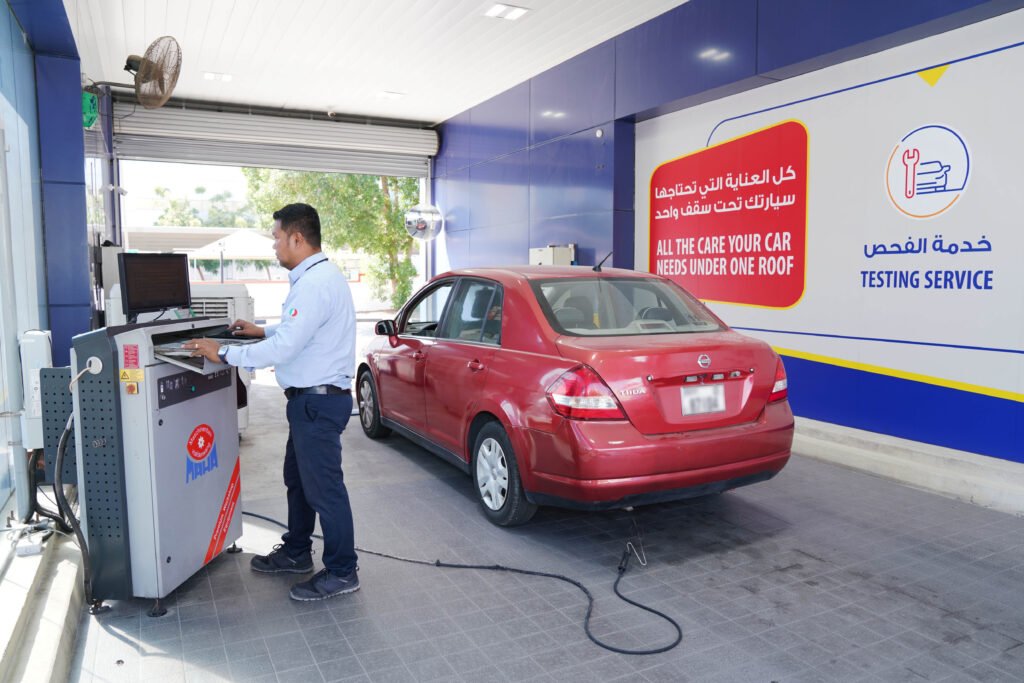
Dubai , March 31, 2026 : Dubai’s Roads and Transport Authority (RTA) has opened the door for
the expansion of licensing for new technical vehicle testing and
registrations centres in three key locations across the emirate, namely
Deira, Bur Dubai, and Mohammed Bin Rashid City, in line with
approved regulatory standards and requirements. The step creates new
investment opportunities, enabling existing centres and investors
seeking to enter this vital sector to submit applications to establish new
centres or open additional branches.
This step aims to expand the network of service centres through which
RTA delivers vehicle testing and registration services, bringing them
closer to residents throughout the emirate. It responds to rapid urban
and population growth, along with the expansion of commercial and
investment activities across Dubai’s sectors, while ensuring the
sustainable and efficient delivery of vehicle licensing services.
The initiative also aligns with RTA’s strategy to strengthen public-private
partnerships, aimed at driving economic growth in the emirate,
expanding private sector participation in infrastructure development and
service delivery, and continuously adopting global best practices in this
partnership.
RTA will provide the necessary support to new investors in evaluating
their applications in line with relevant legislation and policies, to
strengthen private sector participation in the development of vehicle
2
testing and registration services, enhance the efficiency of inspection
processes, and improve road safety within the community.
This expansion further advances RTA’s efforts to develop an integrated
infrastructure for vehicle testing and licensing services, in line with
Dubai’s ambitious plans to enhance road safety, improve mobility
across the city, and elevate the quality of services provided to residents.
It is worth noting that the number of approved service provider centres
for vehicle testing and licensing in Dubai has reached 29, distributed
across the emirate. These centres are equipped with advanced
technologies and qualified personnel to ensure the delivery of high-
quality services that meet customer needs in line with the highest
international standards, while offering a seamless service experience
aligned with Dubai’s direction towards streamlined procedures and
enhanced government service efficiency.
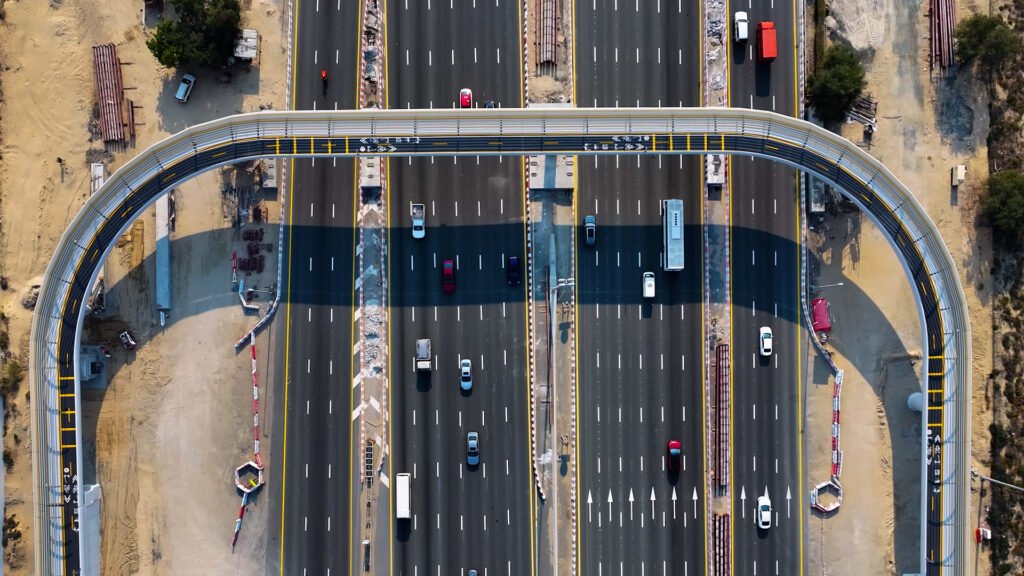
Dubai , March 29 , 2026 : Dubai’s Roads and Transport Authority (RTA) has completed 13 cycling
tracks as part of a master plan encompassing 15 tracks across various
areas of the emirate, with a total length of 162 km. The project provides an
integrated cycling network linking existing tracks from Al Khawaneej to Al
Mamzar Beach, from Al Warqa’a to Saih Al Salam, and from Dubai
International Financial Centre (DIFC) to Jumeirah.
Work is also underway to complete a series of pedestrian and cycling
bridges, set to be among the largest in the emirate. These include a bridge
over Sheikh Mohammed bin Zayed Road, connecting Al Khawaneej track
to Al Mamzar Beach; another over Dubai–Al Ain Road, linking Saih Al
Salam track with tracks in Al Warqa’a and Al Khawaneej; a bridge over
Sheikh Zayed Road, connecting cycling tracks in Al Sufouh and Jumeirah
with the track along Hessa Street; and a bridge over Al Khail Road, linking
Dubai Hills with the cycling track along Hessa Street and Mall of the
Emirates. All tracks are scheduled to be opened during the second quarter
of this year.
The development of cycling tracks forms part of a comprehensive plan to
expand Dubai’s cycling network to 1,000 km by 2030.
2
RTA’s efforts in building an integrated cycling network have strengthened
Dubai’s global standing, earning the emirate a place among the world’s top
100 cycling-friendly cities in the 2025 Copenhagenize Index, making it the
first city in the Middle East to achieve this distinction. The Copenhagenize
Index is a leading global benchmark for assessing cycling friendliness,
based on key criteria including infrastructure quality, cycling usage rates,
corporate support, and policies related to flexible mobility.
His Excellency Mattar Al Tayer, Director General, Chairman of the Board of
Executive Directors of the Roads and Transport Authority (RTA), said: “The
expansion of pedestrian and cycling tracks and bridges reflects the
directives of the UAE’s wise leadership to enhance road safety and provide
a safe and sustainable mobility environment for all road users. The initiative
also supports Dubai’s vision to become a pedestrian- and cyclist-friendly
city, while enhancing quality of life and promoting the well-being of
residents and visitors.”
“Both existing and planned cycling tracks form an integrated network linking
residential areas across the emirate with key destinations and public
transport stations, encouraging the use of bicycles and other sustainable
individual mobility modes for first- and last-mile journeys.”
“The selection of track locations was based on comprehensive field studies,
taking into account population density, land use integration, proximity to
major tourism and economic destinations, and connectivity with public
transport hubs. These factors contribute to improving traffic flow and
enabling safe, smooth mobility for pedestrians and cyclists across Dubai’s
road network.”
Cycling Trips
Al Tayer added: “Dubai’s inclusion in the global Copenhagen Index marks a
culmination of sustained efforts led by RTA to develop an integrated cycling
network, in line with the Dubai Bicycle-Friendly Strategy, which has marked
a step change in the concept of sustainable urban mobility. RTA’s initiatives
have increased the total length of cycling tracks from 560 km at the end of
2024 to 636 km by the end of 2025, while cyclist satisfaction with cycling
infrastructure in Dubai reached 85%. The number of cycling trips rose from
46.6 million in 2024 to 57.3 million in 2025, representing a 23.5% increase.
In addition, 22.3% of Dubai’s population now has access to cycling
infrastructure.”
Completed Tracks
3
The completed projects include the delivery of cycling tracks across
multiple areas of Dubai, including Al Khawaneej 2 and Al Barsha 2 as part
of the Model Residential Neighbourhoods Project, with a total length of 18.5
km — comprising 8 km in Al Khawaneej 2 and 10.5 km in Al Barsha 2.
The works also included a 700-metre cycling track in Tolerance District,
alongside the implementation of the Soft Mobility Project, which introduced
targeted mobility enhancements in and around public transport stations.
The project covered Al Souk Al Kabeer, Hor Al Anz, and Abu Hail, in
addition to five key public transport stations: BurJuman, Sharaf DG, Palm
Deira, Baniyas, and Burj Khalifa/Dubai Mall.
In addition, the scope of work included the provision of 25 km of dedicated
tracks for bicycles and e-scooters, the upgrade of existing pedestrian
walkways, and the implementation of the Safe Streets concept across
internal roads.
The completed projects also include the delivery of 7 km of pedestrian,
cycling, and micromobility tracks, designed to connect the area with
ONPASSIVE Metro Station and Al Quoz Bus Station. The works further
included the construction of a pedestrian and cycling bridge over Al Manara
Street, enhancing the flow of movement for pedestrians and cyclists within
the area and its surroundings. The bridge incorporates aesthetic design
elements that reflect the character and identity of the area and its facilities.
It measures 45 metres in length, 5.5 metres in width, and 6 metres in
height, and features access ramps on both sides, each extending 210
metres.
The completed projects also include pedestrian and cycling tracks at the
entrances of Al Warqa’a, linking them to existing tracks in the area with a
total length of 11 km. In addition, cycling tracks have been implemented as
part of the Al Shindagha Corridor Development Project, with a total length
of approximately 10 km