Month: September 2026

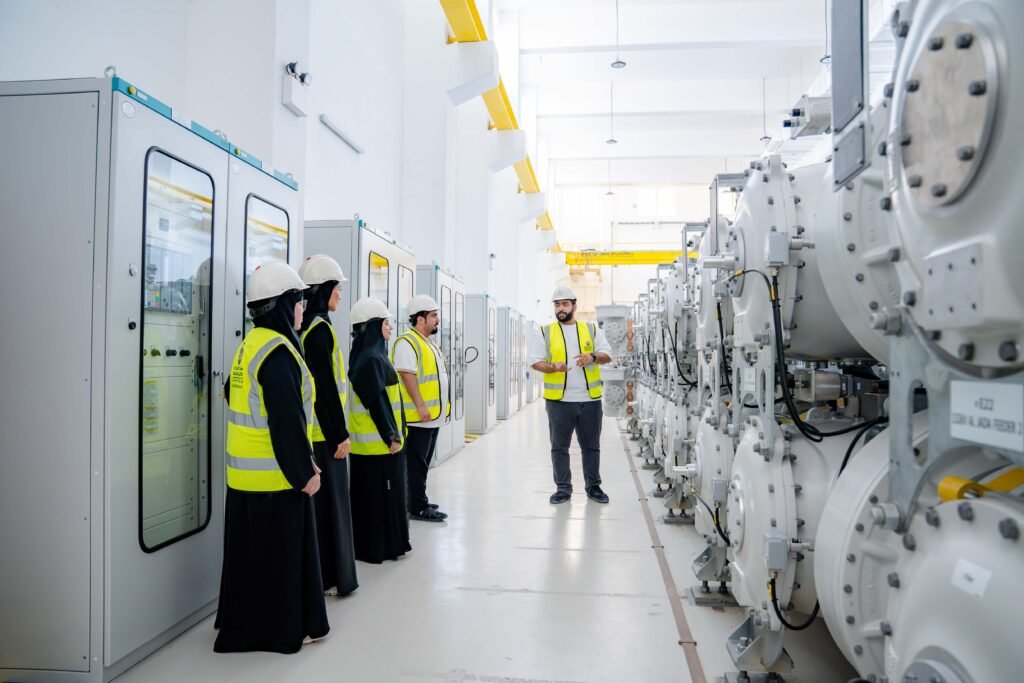
Sharjah , September 24, 2026 : Sharjah Electricity, Water and Gas Authority (SEWA) has announced the completion of two 220/132 kV electricity transmission projects at a cost exceeding AED 341.493 million.

This comes as part of its strategic plan to develop the power network and meet growing energy demand driven by the emirate’s rapid urban and industrial expansion.

SEWA also affirmed that work is continuing on 13 major projects scheduled for completion in the upcoming period, with a total cost exceeding AED 725.292 million. The projects aim to enhance the efficiency and stability of the electricity network in line with the highest international standards.

Strengthening Sharjah’s power network

Hamad Al Tunaiji, Director of the Power Transmission Department at SEWA, explained that the projects are being implemented in accordance with the vision and directives of His Highness Sheikh Dr. Sultan bin Mohammed Al Qasimi, Supreme Council Member and Ruler of Sharjah, and with the continuous follow-up of H.H. Sheikh Sultan bin Mohammed bin Sultan Al Qasimi, Crown Prince and Deputy Ruler of Sharjah .

The projects also form part of SEWA’s ongoing efforts and strategy, implemented under the supervision and follow-up of Saeed Sultan Al Suwaidi, Chairman of SEWA, and Abdullah Abdulrahman Al Shamsi, Director-General of SEWA, to develop power transmission and distribution networks across Sharjah.

These efforts aim to supply new residential, investment and industrial areas with highly reliable electricity services, reduce pressure on existing substations and ensure the efficient continuity of power supply.

Al Tunaiji said the new projects are being designed and implemented using the latest technologies and control systems to ensure rapid response and enhance safety and security standards.

He added that work teams are operating according to specific schedules to complete the projects currently under implementation and connect them to the main grid.

The projects reflect SEWA’s continued commitment to investing in energy infrastructure and supporting Sharjah’s sustainable development.

Two projects completed

Abdullah Al Kous, Deputy Director of the Power Transmission Department at SEWA, stated that the completed projects include the Airport Project, which involved laying 132 kV underground cables to connect seven main substations over a total distance of 71.7 kilometres at a cost of AED 235 million.

SEWA also completed a project to upgrade 220 kV overhead transmission lines at a cost of AED 106.493 million.

Al Kous said key projects currently under implementation include the 220 kV Al Shanouf substation, valued at AED 218.143 million; the 132 kV Al Ghubaiba substation, costing AED 230.840 million; and the 132 kV Al Nahda substation, valued at AED 203.698 million.

The projects also include the Al Shanouf project to reroute 13.4 kilometres of overhead transmission lines at a cost of AED 72.610 million.

Work is also continuing on nine other projects included in the approved plan, with activities at various stages of design, implementation and completion according to established schedules.

The projects are expected to enhance the readiness and efficiency of Sharjah’s power transmission network and enable it to meet the future energy requirements of different areas across the emirate.

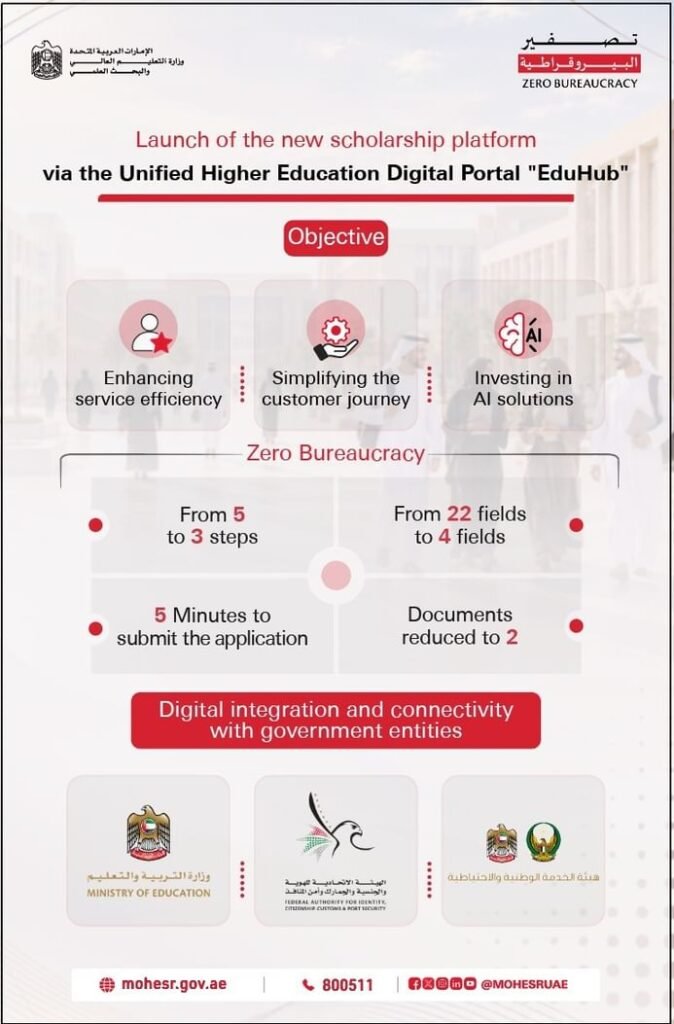
Dubai , September 24 , 2026 : The Ministry of Higher Education and Scientific Research has launched its new scholarship platform as part of EduHub, the unified Higher Education digital portal, which serves as a gateway to and central reference point for a range of Ministry services. These include registration and admission services for higher education institutions, scholarship services, enquiries about institutions and academic programmes outside the UAE, as well as submitting and tracking exemption requests.

Powered by artificial intelligence, the new scholarship platform represents a comprehensive transformation in the way services are delivered to customers through the Ministry’s website. It provides a simpler and faster process that supports the Ministry’s digital transformation efforts, its drive to eliminate bureaucracy, and its investment in AI solutions to enhance service efficiency and streamline the customer journey.

Rashed Karam Al Kaabi, Director of the International Education Support and Scholarships Department at the Ministry of Higher Education and Scientific Research, said, “The new scholarship platform is built on digital integration and direct connectivity with several government entities, including the Federal Authority for Identity, Citizenship, Customs and Port Security, the National Service and Reserve Authority and the Ministry of Education. This integration has reduced the number of documents required from customers to just two, while eliminating the need for applicants to provide personal information or high school transcripts for students following the government curriculum, as this information is retrieved automatically through the system.”

Al Kaabi explained that the number of steps required to submit an application has been reduced from five to three, while the number of fields applicants need to complete has fallen from 22 to just four. As a result, the time required to submit an application has been reduced to a minimum of five minutes.

He noted that these changes represent a significant improvement in the customer experience, while also simplifying administrative procedures and reducing the time required from scholarship students. This gives students more time to focus on preparing for their educational journey with confidence, without having to deal with routine administrative procedures.

The platform uses AI tools to read and verify documents, while automating procedures that previously required direct intervention from customers. For example, scholarship agreements can now be signed entirely electronically through the system, while documents can be received after a scholarship has been awarded without the need for traditional communication or visits to Ministry offices.

The platform also provides instant notifications and continuous updates on application status, in addition to a direct messaging feature that enables applicants to communicate with the relevant department. This makes it easier to track applications, prevents duplicate submissions and facilitates staff follow-up, while reducing manual errors through electronic integration with government entities.

The new platform is also designed to address some of the key challenges previously faced by customers, including difficulties in tracking applications via email, the need to visit the Ministry in the event of a technical issue, and lengthy document-signing procedures. Today, all stages of the service are fully digital, enhancing processing speed and the reliability of procedures.

During the next phase, the Ministry will measure the effectiveness of the new platform and its impact on customers by monitoring service completion times, the number of steps, the percentage of digitally processed transactions and customer satisfaction. These measures will help evaluate the experience and support its continuous improvement, with the aim of achieving the best possible outcomes.

Dubai , September 24, 2026 : Lenovo today announced that Schneider Electric, a global energy technology leader, will join Lenovo 360 Circle as a strategic ally to bring decarbonization expertise and management tools directly to IT channel partners.

Lenovo 360 Circle is Lenovo’s global sustainability community, bringing together channel partners worldwide to collaborate on shared challenges, accelerate sustainability transformation, and turn sustainability ambitions into business opportunities. Through its Allyship program, Lenovo 360 Circle connects partners with leading technology and industry organizations to enable collaboration and provide access to specialized expertise that helps partners accelerate their sustainability goals.

As its newest strategic ally, Schneider Electric will bring its Decarbonization Champion initiative to the community, giving eligible members access to carbon management tools and hands-on support from Schneider Electric Advisory Services specialists to measure their emissions, identify opportunities for reduction, and develop a practical decarbonization roadmap for their business.

The business case for decarbonization

As sustainability requirements become increasingly relevant to customer decisions, RFPs, and supply chains, channel partners face growing expectations to demonstrate credible progress. Building the ability to measure and demonstrate that progress can help partners meet evolving customer requirements and differentiate their businesses.

For many organizations, however, knowing where to start can be a challenge. Decarbonization requires companies to first understand where their greenhouse gas emissions come from, identify opportunities to reduce them, and translate those insights into practical actions with measurable results.

“Sustainability is no longer only about commitments; it is increasingly influencing market access, customer preference, and business growth,” said Virginie le Barbu, Lenovo’s Executive Director of Global Sustainability for International Markets. “Through Lenovo 360 Circle and our collaboration with Schneider Electric, partners gain practical decarbonization expertise that helps them strengthen their competitiveness and respond to evolving customer expectations.”

How the Decarbonization Champion initiative works

Building on Lenovo 360 Circle’s existing Connect, Learn and Lead journey, Schneider Electric’s Decarbonization Champion initiative provides eligible partners with a four-stage pathway combining education, carbon management tools, and specialist support to help them understand their emissions and translate that insight into action:

• Build knowledge: Develop sustainability and decarbonization expertise through Schneider Electric Sustainability School and Lenovo 360 Sustainability Learning Paths.

• Measure impact: Access carbon management tools to establish a Scope 1 and Scope 2 emissions baseline, providing the data needed to understand environmental impact. Partners completing the education and measurement stages will earn Schneider Electric Decarbonization Champion recognition.

• Build the roadmap: Receive hands-on support from Schneider Electric specialists, including a remote site audit, strategy workshop and jointly developed decarbonization roadmap to help identify and prioritize opportunities for action.

• Take action and demonstrate progress: Implement priority initiatives identified through the roadmap and track progress over time. Partners that choose to implement eligible Schneider Electric solutions can also access rebate opportunities to support their decarbonization actions.

The pathway is designed as an ongoing cycle of measurement and continuous improvement rather than a one-time sustainability assessment.

Two sustainability leaders, one partner ecosystem

The partnership brings together complementary strengths: the scale and engagement of Lenovo 360 Circle with Schneider Electric’s specialist expertise and proven experience in decarbonization.

Today, Lenovo 360 Circle brings together more than 861 partners across 68 markets and has demonstrated measurable progress across participating partners through independent ClimateChoice benchmarking. Schneider Electric brings deep experience helping organizations translate sustainability goals into action, including supporting its top 1,000 suppliers in reducing operational emissions by 56 percent between 2021 and 2025.

Both companies were also recognized as Champions in Omdia’s global Sustainable Ecosystems Leadership Matrix 2026, reflecting their respective approaches to advancing sustainability across their broader ecosystems.

Together, Lenovo and Schneider Electric can extend practical decarbonization capabilities across an established global partner community, helping partners move from sustainability knowledge to measurement, planning and action.

“Every partner’s sustainability journey is unique, but the need for action has never been greater,” said Leslie Vitrano Hubright, Vice President, Global IT Channel Ecosystem, Schneider Electric. “Through the Decarbonization Champion offer, we’re building the momentum needed to address the broader Scope 3 challenge and drive lasting progress across our industry. Now partners can accelerate progress on Scope 1 and Scope 2 emissions with tailored guidance and practical roadmaps aligned to their individual needs. The Decarbonization Champions will be recognized as the leading partners in the IT industry who are setting the highest standard for sustainability by turning ambition into measurable impact.”  

How to participate

The Decarbonization Champion initiative will initially be available to eligible Lenovo 360 Circle partners in select markets, with the ability to expand regionally as local delivery capabilities are required.

Lenovo partners interested in participating can learn more at Lenovo 360 Partner Hub.

Dubai , September 24 , 2026 : The Jewellery & Watch Show (JWS), organised by RX, has announced the return of the prestigious Ebda’a Awards for 2026, with two new categories introduced as the celebrated jewellery design competition continues to expand its platform for creative talent.

Celebrating Over a Decade of Jewellery Design

Founded by renowned UAE jewellery artist Azza Al Qubaisi, the Ebda’a Awards have spent more than a decade celebrating creativity, innovation and craftsmanship in jewellery design, while providing a platform for aspiring and professional designers to showcase their talent and connect with the wider industry.

Two New Categories for 2026

For 2026, the Awards introduce Men’s Design and Bridal Design, expanding the competition to explore new perspectives and creative possibilities within jewellery design. The Men’s Design category invites designers to explore contemporary men’s style, identity, cultural influences and innovation, while the Bridal Design category focuses on multi-way jewellery, encouraging versatile designs that offer new possibilities for bridal wear.

The new categories build on the success of the Awards’ 12th edition in 2025, which saw the introduction of the Emirates Souvenir Design and International Design categories, further broadening the competition’s reach and celebrating diverse approaches to jewellery design.

Nine Categories Celebrating Creative Talent

The 2026 Ebda’a Awards categories are:

  • Pearl Design
  • Calligraphy
  • Emirati Design
  • Emirates Souvenir Design
  • Professional Design
  • International Design
  • Men’s Design – New for 2026
  • Bridal Design – New for 2026
  • People of Determination

Across the categories, designers are encouraged to draw inspiration from UAE culture and heritage, the country’s natural environment, contemporary design, innovation and everyday wearability, creating pieces that demonstrate both creative vision and craftsmanship.

Azza Al Qubaisi, Founder of the Ebda’a Awards, said: “The future of design is shaped when we give young creatives the freedom to explore their identity and the courage to create differently.”

A Platform for Emerging and Established Designers

May Ismail, Event Director of JWS, said: “Every year, the Ebda’a Awards highlight the extraordinary imagination and craftsmanship within our creative community. At JWS, we are proud to provide a platform that empowers designers and gives them the opportunity to showcase their work to a wider audience. The introduction of the new Men’s Design and Bridal Design categories for 2026 reflects the continued evolution of the Awards and our commitment to supporting emerging talent as they explore new creative directions and build their presence within the jewellery industry.”

The 2026 Ebda’a Awards jury brings together established jewellery artists, designers, educators and previous winners, including Azza Al Qubaisi, Sheikha Alserkal, Noura Alserkal, Salam Swaid, Devanshi Parmar, Budoor Al Budoor and Naida Abbas.

This year’s awards are supported by IGI – International Gemmological Institute, Al Zahab Al Ahmar Academy, Institute for Inclusion + Accessibility / Access for All, MOCD – Ministry of Community Development, and The New Jeweller Magazine.

The Awards programme will also feature a series of workshops led by Al Zahab Al Ahmar Academy, FIA with Azza Al Qubaisi, Salam Swaid and IGI – International Gemmological Institute, providing participants with further opportunities to develop their knowledge and creative skills.

Through the awards, designers gain valuable visibility and opportunities to connect with industry professionals while showcasing their creativity alongside regional and international talent. The competition continues to provide a platform for emerging and established designers to develop their craft and contribute to the evolving jewellery landscape.

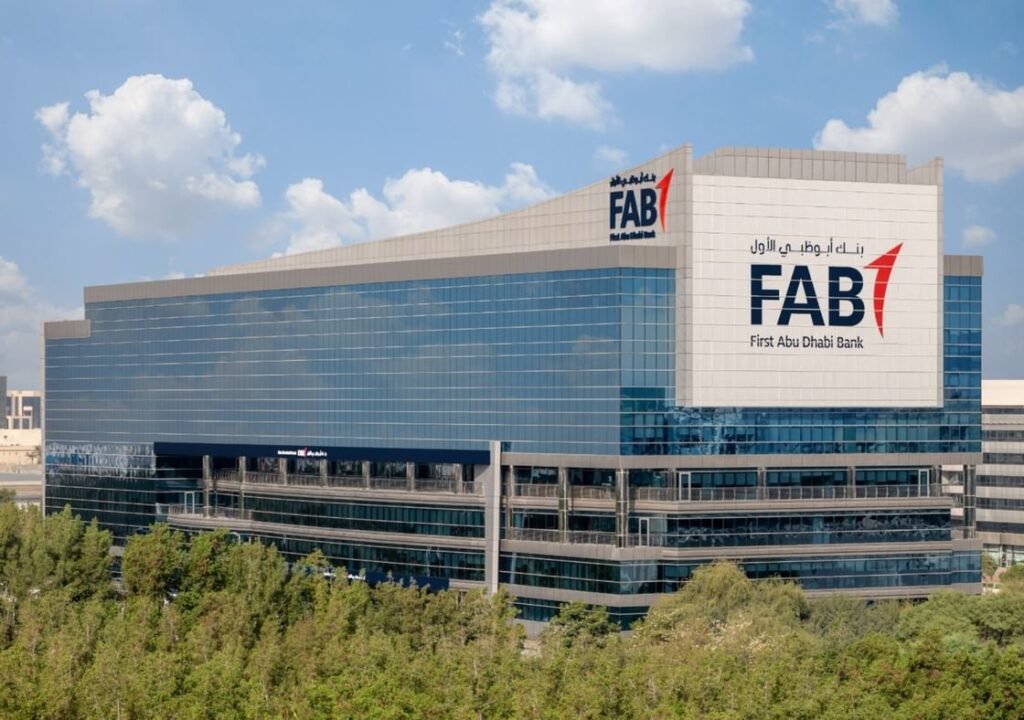
Dubai , September 23, 2026 : The ocean economy is valued at US$2.6 trillion, making it the world’s fifth-largest economy if considered a country, according to a report published by First Abu Dhabi Bank (FAB).

The report, “The Ocean Economy: Becoming the World’s Fifth-Largest Economy”, said the sector has doubled in real terms over the past 25 years, with gross value added rising from $1.3 trillion in 1995 to $2.6 trillion in 2020.

It examines how stronger financial structures can expand sustainable ocean solutions, mobilise capital and support global economic growth and resilience.

The report noted that around $175 billion in annual financing is required to protect life below water under Sustainable Development Goal 14, highlighting the need for stronger project pipelines, clearer standards, improved data and financing structures capable of turning ocean priorities into investable projects.

It reflects the outcomes of a roundtable convened by FAB in cooperation with the World Economic Forum during London Climate Action Week.

Among its key priorities, the report calls for developing bankable investment opportunities and repeatable financing models, while strengthening coordination between policymakers, businesses and financial institutions to attract greater private-sector capital.

It also highlights significant opportunities for expanding blue finance in the Middle East by connecting the region’s strengths in global trade, energy transition, water security and coastal development with international capital, technical expertise and credible financing structures.

FAB’s focus on the sustainable ocean economy forms part of its broader sustainable and nature-related finance agenda.

The bank has issued the first blue bond by a GCC financial institution to support water and wastewater infrastructure and was the first financial institution in the MENA region to publish a disclosure aligned with the Taskforce on Nature-related Financial Disclosures (TNFD).

FAB also served as Principal and Official Banking Partner of the IUCN World Conservation Congress 2025, supporting dialogue on nature finance, biodiversity, water and the climate-nature nexus.

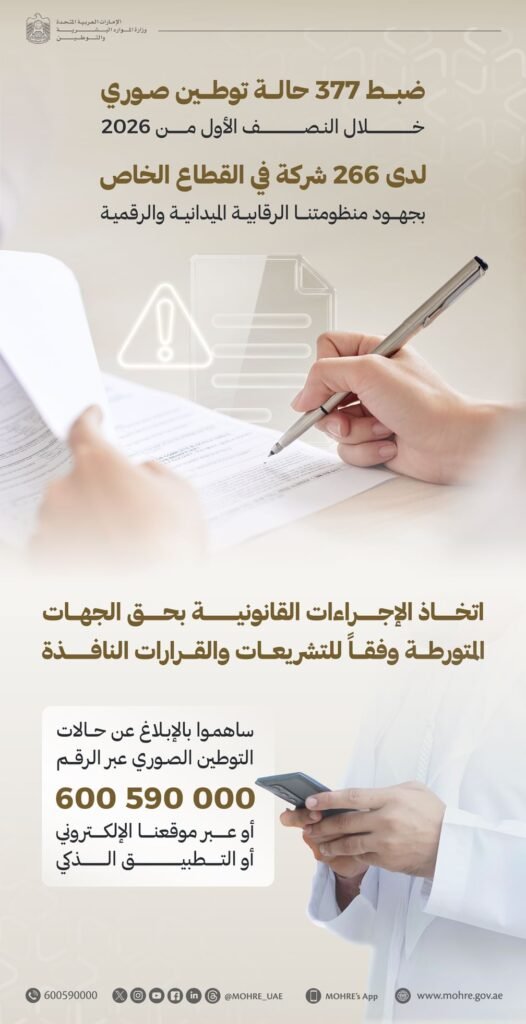
Dubai , September 23, 2026 :The Ministry of Human Resources and Emiratisation (MoHRE) identified 377 cases of “fake Emiratisation” across 266 private-sector companies during the first half of 2026 through its field and digital monitoring systems.

Legal action was taken against the violating companies in accordance with applicable legislation and decisions, the Ministry said, stressing that the cases represent limited negative practices and do not constitute a widespread phenomenon in the UAE labour market.

MoHRE said it deals firmly with attempts to circumvent Emiratisation policies or unlawfully benefit from government incentives and benefits allocated to support the employment of Emirati citizens.

The measures were taken in accordance with Cabinet Decision No. 43 of 2025 concerning administrative violations and penalties related to initiatives and programmes of the Emirati Talent Competitiveness Council.

The Ministry stressed that Emiratisation requires a genuine and productive employment relationship involving actual duties, responsibilities and a career path that develops Emirati employees’ skills and capabilities.

It warned that fake Emiratisation can distort labour market indicators, waste resources allocated to genuine employment, deprive Emiratis of real job and professional development opportunities, and disadvantage compliant companies investing in national talent.

MoHRE called on private-sector establishments to comply with the objectives of Emiratisation policies and urged Emirati citizens not to participate in arrangements involving employment registration without actual work.

The Ministry also called on citizens and community members to report suspected cases through its official channels, including the call centre on 600590000, its smart application or website.

MoHRE said it continues to develop monitoring and verification tools using digital systems and data analytics to detect irregular practices, protect Emirati employees and compliant establishments, and strengthen the integrity of the Emiratisation system.

Fake Emiratisation is defined as registering an Emirati citizen with an establishment and issuing a work permit and employment contract without a genuine employment relationship or actual job duties, whether to circumvent Emiratisation targets or improperly obtain government support and incentives.

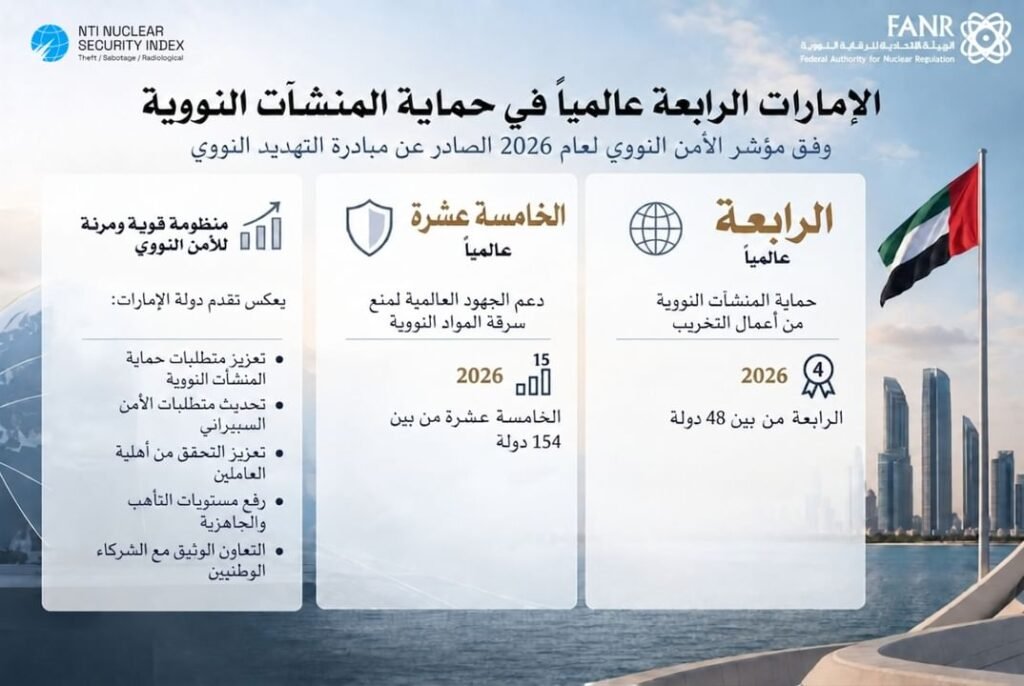
Abudhabi , September 23, 2026 : The United Arab Emirates has recorded significant progress in the 2026 Nuclear Threat Initiative (NTI) Nuclear Security Index, ranking fourth among 48 countries assessed for protecting nuclear facilities against sabotage.

The result reflects the continued development of the UAE’s nuclear security framework and sustained efforts to strengthen the protection and resilience of its peaceful nuclear energy programme.

The UAE also ranked joint 15th among 154 countries and areas assessed for supporting global efforts against the theft of nuclear materials, achieving a score of 85 out of 100, an increase of two points compared with the recalculated 2023 baseline.

The 2026 NTI Nuclear Security Index is an independent assessment of nuclear security conditions worldwide. Developed by the Nuclear Threat Initiative in partnership with Economist Enterprise, the Index assesses countries and areas across a range of nuclear security measures, including security and control measures, international norms, domestic commitments and capacity, and the broader risk environment.

The 2026 Index highlighted significant progress in the UAE’s security and control measures. The UAE’s score in this category increased from 66 in 2023 to 86 in 2026.

These measures cover key elements of nuclear security, including physical protection, insider-threat prevention, response capabilities, cybersecurity and security culture.

NTI highlighted a number of developments contributing to the UAE’s progress, including strengthened requirements for nuclear facility protection, updated cybersecurity provisions, enhanced personnel vetting requirements and measures to strengthen preparedness and resilience.

Hamad Al Kaabi, Director-General of the Federal Authority for Nuclear Regulation (FANR), said, “The UAE’s strong performance in the 2026 NTI Nuclear Security Index reflects our long-term commitment to maintaining a robust, sustainable and continuously improving nuclear security regime. It demonstrates the strength of the UAE’s regulatory framework, effective national coordination and our commitment to applying high standards of nuclear security.

“The nuclear security environment continues to evolve, requiring regulators, operators and relevant national entities to remain vigilant and prepared for emerging risks. The UAE will continue to strengthen its capabilities, learn from international experience and work closely with national and international partners to ensure the highest standards of nuclear security.”

Since its establishment, FANR has developed and continuously strengthened an integrated regulatory framework for nuclear security in accordance with national legislation and the UAE’s international obligations and commitments.

FANR regulates nuclear facilities and nuclear and radioactive materials, conducts inspections and oversees compliance with nuclear security requirements in coordination with relevant national entities.

The UAE also continues to work closely with the International Atomic Energy Agency and international partners to exchange expertise, strengthen national capabilities and contribute to international efforts to enhance nuclear security.

In its 2026 assessment, NTI identified the UAE among 12 countries that have emerged as a new driving force for global nuclear security progress, recognising countries that have sustained domestic improvements, supported other governments and strengthened engagement with international institutions.

The UAE’s performance in the 2026 NTI Nuclear Security Index reflects its commitment to continuous improvement and to maintaining a nuclear security regime capable of responding to evolving risks while contributing to the strengthening of the global nuclear security architecture.

Dubai , September 23, 2026 : During the first half of 2026, the Emirates Drug Establishment (EDE) underwent a significant transformation in its regulatory performance, driven by the integration of evaluation, marketing authorisation, inspection, pharmacovigilance and drug safety, risk management and supply sustainability functions. At the same time, it continued to support local manufacturing, research and development, and the use of advanced technologies across the pharmaceutical sector.

Official data show that EDE carried out 2,030 inspection and regulatory visits to warehouses, marketing offices and local manufacturing facilities across the UAE by June 30, 2026, including 288 visits in June alone.

The visits covered a wide range of facilities under EDE’s supervision in the pharmaceutical, agricultural and veterinary sectors. They also included monitoring the disposal of medical products and inspections related to good practices.

The findings were also integrated into digital and analytical systems that support decision-making and improve the efficiency of follow-up.

In advertising oversight, EDE identified 828 non-compliant advertisements during the first half of the year, including 113 in June.

The first half of 2026 also saw further development of the sector’s legislative and regulatory framework, with Federal Decree by Law No. (21) of 2025 Regarding Veterinary Medical Products and Veterinary Pharmaceutical Establishments coming into force on January 1, 2026.

The Chairman of EDE also issued six legislative decisions covering the regulation of semi-controlled medical substances and products, administrative violations and penalties, good pharmacovigilance practices, updates to schedules of narcotic and psychotropic substances, the regulation of foot-and-mouth disease vaccines, and the adoption of the national list of essential veterinary medical products.

Regulatory activity also included 20 decisions on the pricing of medical products, including price adjustments and reductions, as well as 38 circulars covering precautionary, voluntary and urgent product recalls, regulatory warnings, and measures related to import procedures, customs clearance, supply continuity and pharmacovigilance.

In February, EDE approved a mechanism requiring pharmaceutical companies to appoint more than one importer for each medical product marketed in the UAE.

EDE also formed a national task force bringing together 16 entities from the pharmaceutical and logistics sectors to coordinate responses to emerging challenges, share operational data and technical expertise, and enhance planning and inventory management.

During the first half of 2026, 942 products were approved. These included 420 Conventional & Biological pharmaceutical products, among them 63 innovator products, as well as 376 healthcare products and 146 medical devices.

Local manufacturing accounted for 247 UAE-made products, representing more than a quarter of the total. These comprised 200 conventional pharmaceutical products, 40 healthcare products and seven medical devices.

Among the products approved were Inpefa® (sotagliflozin) for heart failure and Foundayo (orforglipron), making the UAE the second country in the world to approve each treatment.

EDE also approved EURneffy®, the region’s first epinephrine nasal spray for the emergency treatment of severe allergic reactions, and Baxfendy (baxdrostat) for uncontrolled high blood pressure, making the UAE the first country in the world to approve the latter. MIEBO, a treatment for dry eye disease, was also approved, making the UAE the third country globally to authorise the therapy.

EDE announced that a research team at Insilico Medicine had developed ISM0387. The candidate is designed to target tumours associated with MTAP deletion. ISM0387 was developed using Insilico Medicine’s Chemistry42 generative chemistry platform.

During the first half of the year, EDE carried out a series of field visits to UAE-based pharmaceutical and medical supplies manufacturers. The visits focused on production capacity, quality systems, expansion plans and the localisation of advanced therapeutic technologies.

Working within an integrated national ecosystem that brings together regulatory, economic and logistics authorities, EDE has helped create an attractive environment for pharmaceutical investment and international partnerships.

Novo Nordisk’s decision to establish a regional distribution centre in the UAE will be one of three global centres managing the distribution of the company’s products worldwide. The facility is expected to serve up to 70 countries across the Gulf, Africa and Central Asia.

EDE participated in the World Health Expo 2026 and Make it in the Emirates 2026, promoting the UAE’s position in pharmaceutical regulation, scientific research and health technologies.

EDE’s performance during the first half of 2026 demonstrates the breadth of its role across regulation, evaluation, marketing authorisations, inspection, supply, manufacturing and research.

The two firms have signed a Memorandum of Understanding to bring institutional-grade digital asset management to investors across the region — built in one of the world’s leading regulated financial centres.

Abudhabi , September 23, 2026 :

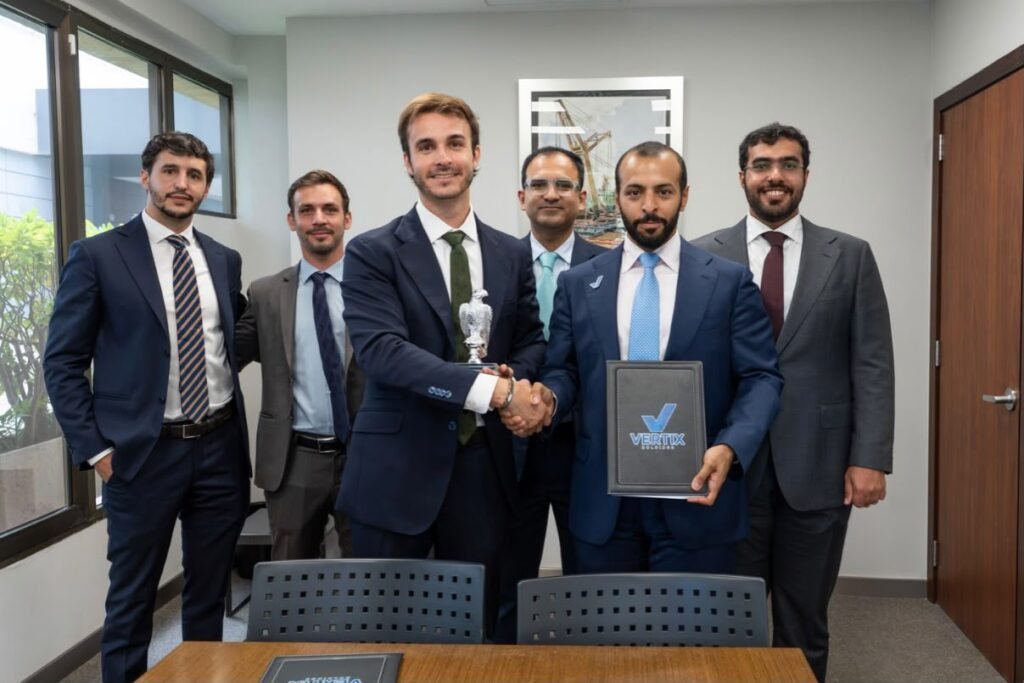
Vertix Holdings, the Abu Dhabi-based investment group, and Iqana Technologies, the MiCA-regulated quantitative digital asset manager, today announced the signing of a Memorandum of Understanding to establish a digital asset investment management partnership in Abu Dhabi Global Market (ADGM). The partnership is intended, subject to regulatory authorisation in ADGM, to give family offices, professional investors and asset managers across the region access to institutional-grade, systematic digital asset strategies, built to the safeguarding and governance standards they expect.

WHY ABU DHABI
Known as the “capital of capital”, Abu Dhabi is one of the world’s foremost international financial centres, and through ADGM was among the first jurisdictions globally to introduce a comprehensive regulatory framework for digital assets. For a partnership built on trust and transparency, it is the natural home — at a time when regional demand for professionally managed digital asset exposure continues to accelerate.

WHY VERTIX HOLDINGS
For Vertix, the partnership marks a strategic move into one of the fastest-growing areas of global finance, extending the group’s governance-first model beyond real estate, facility management, auditing, investment and F&B. Investor protection sits at its core: under a non-custodial model, client assets remain in investors’ own accounts and are never commingled with the partnership’s operations — the same audit-ready discipline applied across every company in the group.

WHY IQANA TECHNOLOGIES
Iqana brings the discipline of a regulated European asset manager. It is the first crypto asset manager authorised by Spain’s CNMV under the EU’s MiCA framework for discretionary portfolio management, and it never takes custody of client assets: its strategies run on clients’ own accounts through trade-only access. Iqana will contribute the technology, systematic investment strategies and risk-management framework at the heart of the partnership.

“With this venture, Vertix enters digital assets on the terms that define us: governed, transparent, and built to protect the investor. Establishing it in ADGM, alongside a regulated manager whose model keeps client assets in the client’s own hands, is exactly how a market this important should be approached.”
Amer Al Ahbabi, Chairman, Vertix Holdings

“For institutional investors, digital assets have long lacked what every other asset class takes for granted: regulated management, transparent processes and the certainty that their assets remain under their control. That is what Iqana was built to provide in Europe, and Abu Dhabi, one of the region’s leading financial hubs, is the natural place to explore bringing this model. In Vertix we have found a partner that shares our conviction: that digital assets have earned their place in institutional portfolios, and that governance is not a constraint on this market, but the condition for it to grow.”
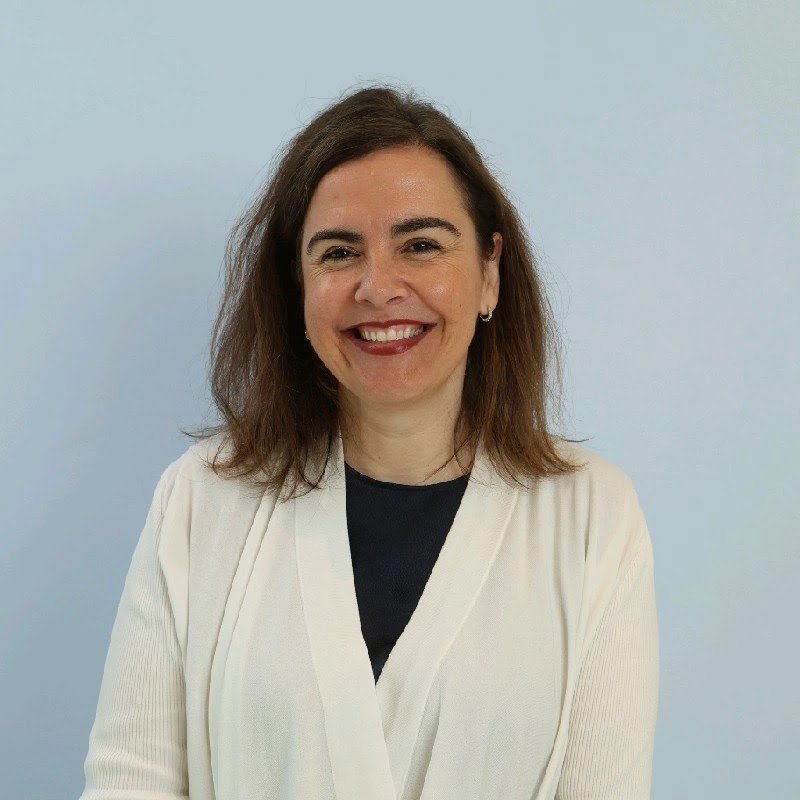
Quim Allard, Chief Executive Officer & Co-Founder, Iqana Technologies

The parties will now work to finalise the partnership’s structure and scope, subject to definitive agreements and regulatory authorisation.

Sharjah , September 21 , 2026 : The ninth Sharjah Investment Forum (SIF 2026) will take place on 14th and 15th October at Al Jawaher Reception and Convention Centre under the theme “Building Adaptive Economies”, with an agenda centred on four key strategic pillars: regulatory competitiveness and economic adaptability; AI, technology and industrial transformation; smart capital flows and supply-chain resilience; and future living and economic growth.

Organised by the Sharjah FDI Office (Invest in Sharjah) in collaboration with the Ministry of Investment, this year’s forum will bring together policymakers, government officials, leading global and regional CEOs, business and financial leaders, and investors.

The forum’s agenda responds to rapid geopolitical and economic changes and structural shifts in the global economy, from the reshaping of investment policies and capital flows to the rise of advanced technologies and changes in value and supply chains, as well as transformations reshaping the future of cities, productive sectors and consumer behaviour.

Commenting on the agenda, Mohamed Juma Al Musharrkh, CEO of IIS, said, “The pace of change across global markets is challenging governments and businesses to continually rethink how they compete, invest and grow. This year’s agenda responds directly to that reality, bringing together the policy, technology and investment questions that will influence where capital moves, how industries develop and how economies strengthen their competitiveness.”

He added, “Building adaptive economies requires the ability to anticipate where opportunities are emerging and create the conditions for businesses and investment to respond. Through SIF 2026, we are bringing public- and private-sector leaders together to consider how policy, capital and innovation can support economic growth through periods of rapid change.”

The forum’s first pillar, “Regulatory Competitiveness and Economic Adaptability,” will examine how policy, business conditions and corporate leadership can adapt as markets, technology and investment patterns change.

“Thriving in the Age of Constant Disruption” will explore how entrepreneurial thinking, agility and experimentation can help businesses respond to technological, economic and market shifts. “The CEO Playbook: Leading Through Constant Change” will focus on navigating volatility, assessing structural change and capital allocation.

Government policy will be the focus of “Where Policy Meets Pace: Frameworks Ahead of the Curve.” The session will discuss how coordinated policy can respond to changing capital and trade flows, support emerging industries and provide stability and predictability for investors.

According to UNCTAD’s World Investment Report 2026, governments adopted 229 new investment policy measures worldwide in 2025, with growing attention to growth, resilience, technological progress and economic security.

“Beyond Ease of Doing Business: Building Economies Where Businesses Grow” will turn to investor retention and expansion, including government services, data, digital transformation, and coordination across Sharjah’s business ecosystem.

The second pillar, “AI, Technology and Industrial Transformation,” will explore how AI, automation and emerging technologies are changing industry, investment and how businesses operate and scale.

“Powering Adaptive Economies with Agentic AI” will deliberate how agentic AI can transform government and investor services and complex processes, alongside the requirements for responsible deployment at scale, while “The Next Industrial Frontier: Innovation, Technology and Growth” session will highlight the innovations driving the next industrial era and their practical application across operations, in addition to the workforce and skills needed to accommodate the transformation.

According to UNCTAD’s World Investment Report 2026, AI infrastructure, advanced technologies, semiconductors and other strategic sectors accounted for 44 percent of the value of greenfield FDI projects worldwide in 2025, up from 16 percent in 2020.

“The Future Is Now: Investing in What Comes Next” will explore rapid technological change, including new models of work, entrepreneurship and value creation. Meanwhile, “From Vision to Vitality: Sharjah’s Fast Track to Healthcare Breakthroughs”” will connect how science, research and practical innovation, can cause impact.

The “Smart Capital Flows and Supply-Chain Resilience” pillar will examine how shifting capital flows and pressures on global supply chains are reshaping investment, trade, and economic resilience.

Changing investor appetite, high-growth financing, cross-border expansion and emerging asset classes will be explored in “Capital Without Borders: Where Smart Money Is Moving Next.” Meanwhile, “Supply Chains Under Pressure: Strengthening Resilience Against Global Shocks” will shed light on how geopolitical and trade disruptions are driving investment in connectivity, infrastructure and more diversified supply networks.

UNCTAD data show that global foreign direct investment flows rose by 6 percent in 2025 to $1.6 trillion, with more than 80 percent concentrated in the 20 largest recipient economies. The figures add context to the forum’s discussion of what determines where capital moves and which markets are best positioned to attract it.

The fourth pillar, “Future Living & Economic Growth,” will examine how development, environmental pressures and changing consumer behaviour are shaping investment and future demand.

“Partners in Growth: Agreements Shaping Tomorrow’s Trade” will bring together ambassadors from the UAE’s CEPA partner countries to explore how these agreements are opening new markets, strengthening trade and creating opportunities for investment and growth.

“From Buildings to Destinations: Driving Economic Growth,” focusing on how infrastructure, sustainable communities, tourism and commercial activity can attract residents, businesses, visitors and investment to Sharjah.

Food security, including climate change and water scarcity, will be featured in “Growing a Sustainable Future: Where Agriculture Meets Sustainability,” alongside clean energy, resource efficiency, and agricultural technology. “The Consumer of 2035” will look at how AI, demographic change and digital lifestyles are reshaping consumer behaviour and how businesses can anticipate changing demand and expectations.

The previous edition, held alongside the World Investment Conference in 2025, attracted more than 12,000 participants from 142 countries and featured more than 130 ministers and international leaders.