Sharjah , September 27, 2026 : The Sharjah Publishing Sustainability Fund (Onshur) has launched its “Launch” track, with 25
aspiring publishers selected from 122 applicants for a professional development programme
focused on building and growing sustainable publishing businesses.
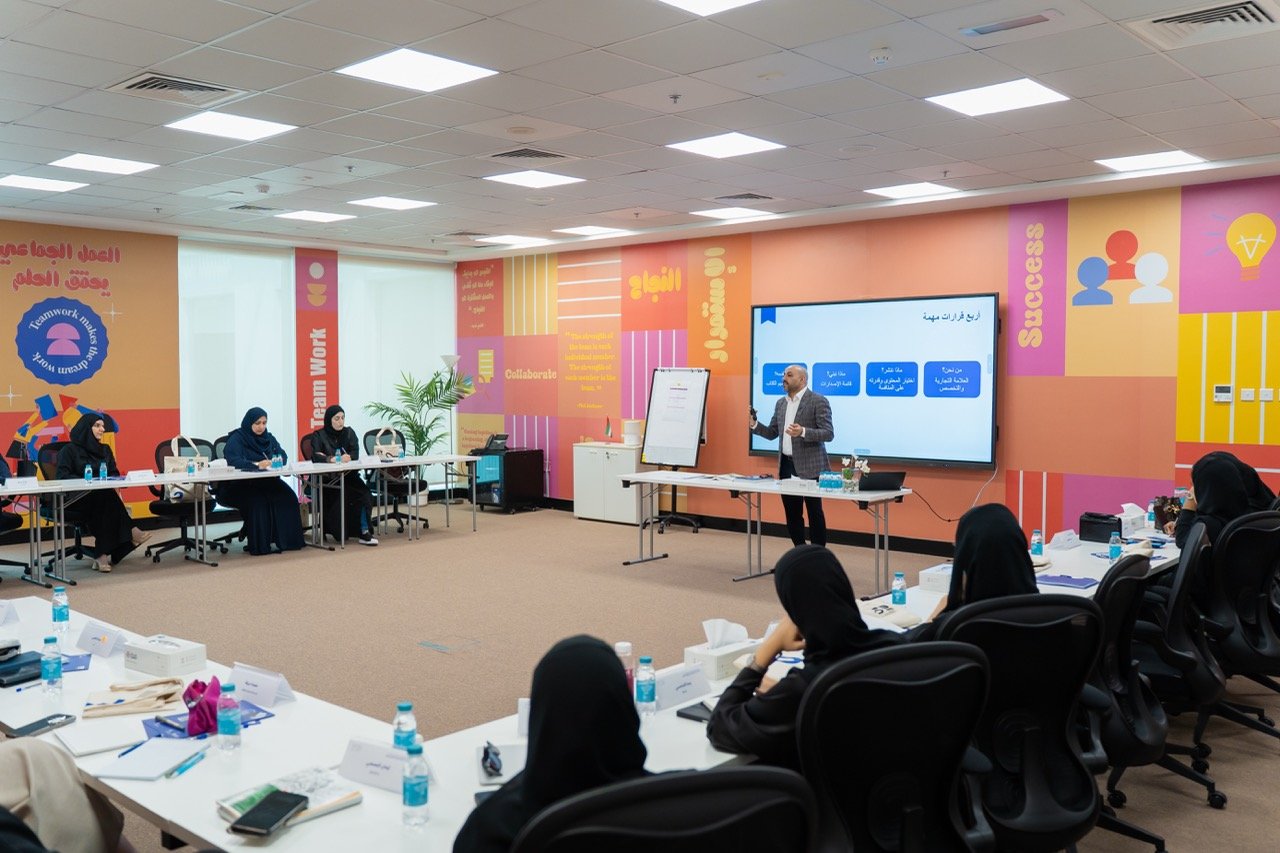
Held at the Sharjah Book Authority (SBA) headquarters, the four-day programme runs through
October 18 and combines publishing industry knowledge with practical business training.
Participants will learn how to navigate key decisions facing new publishers, from balancing
content quality and production costs to reaching readers and developing viable business plans.
A sustainable publishing industry
Ahmed bin Rakkad Al Ameri, CEO of the SBA, said: “The sustainability of the publishing
industry starts with investing in the people who lead it and equipping a new generation of
publishers with the knowledge and tools to build businesses that can grow and endure. The
industry’s development depends on publishing houses that understand content, markets and
readers, and can build business models that adapt to changes in the sector while introducing
new experiences and voices.”
He added: “This approach stems from the vision of His Highness Sheikh Dr. Sultan bin
Mohammed Al Qasimi, Supreme Council Member and Ruler of Sharjah, who has placed books
and knowledge at the centre of Sharjah’s cultural project. Building on this vision, Her Highness
Sheikha Bodour bint Sultan Al Qasimi, Chairperson of SBA, has developed initiatives that
respond to the needs of publishers and support the industry’s long-term development. Onshur
advances this work by supporting publishing businesses at different stages, giving founders the
knowledge and tools to turn their ideas into viable businesses that can grow, compete and
reach readers.”
New expertise in publishing
Commenting on the launch of the track, Iman Ben Chaibah, Director of Strategic Initiatives and
Global Markets at SBA, said: “A sustainable publishing business depends on its founder’s ability
to combine quality content with an understanding of the market and sound management of
resources. Guided by the vision and directives of Her Highness Sheikha Bodour bint Sultan Al
Qasimi, Chairperson of the SBA, the Launch track equips aspiring publishers with the
knowledge and experience to put these fundamentals into practice, navigate the challenges of
starting a publishing business and bring new expertise and greater diversity to the industry.”
Establishing a publishing business
Participants began with the foundations of publishing, covering publishing models, the book
lifecycle and key stages of publishing, from defining a publishing house’s identity and areas of
focus to selecting titles and developing and editing content. The opening sessions also
introduced business planning, business models and project pitches, giving participants a
practical overview of both the publishing process and the business behind it.
Rashid Al Kous, Executive Director of the Emirates Publishers Association, led a session on the
association and its “Manassah” platform, explaining how they support publishers through
industry connections, resources and services.
Upcoming sessions will focus on the legal and commercial aspects of publishing, including
copyright, contracts, rights acquisition and sales, and related revenues. Participants will also
learn how to develop a visual identity and brand, build a presence across digital platforms, and
present their businesses and publications to their target audiences.
Reaching readers
The track introduces participants to book production options, including conventional and digital
printing, as well as print-on-demand, and how to determine publication specifications and print
quantities while managing production costs. A field visit to Lightning Source Sharjah, a large-
scale print-on-demand facility, will give participants practical insight into the production process
and how these decisions are applied in a commercial publishing environment.
The programme also covers the practical steps involved in getting books to readers, including
distribution through bookstores and other retail outlets, working with e-commerce platforms,
setting up an online store, and managing inventory, shipping and order fulfilment. Participants
will also learn about company licensing, book permits and ISBNs, and visit Sharjah Publishing
City to explore its office, licensing and storage services.
Digital publishing and AI
Upcoming sessions will explore digital publishing models, including e-books, audiobooks and
the platforms used to publish them. Participants will learn how to manage revenues from digital
formats and adapt to changing reader behaviour, helping them identify publishing and
distribution options suited to their titles and target audiences.
The programme will also explore the use of artificial intelligence in editing, content
enhancement, and translation, as well as in developing social media content and editorial plans,
and in drafting contracts and commercial proposals. Participants will also examine intellectual
property rights related to AI-generated content and the legal and commercial considerations
surrounding its use.
Managing growth and sustainability
The track dedicates a core part of the training to financial management, helping participants
understand the relationship between publishing costs and revenues and plan their finances from
the outset. Topics include managing income, expenses, invoices and tax obligations, as well as
pricing books, analysing profit margins and setting distribution discounts. The training is
designed to help participants make informed financial decisions based on their operating costs
and business needs.
The programme concludes with training on presenting publishing projects and developing
pitches that clearly set out participants’ business models and what distinguishes them.
Participants will also prepare for questions from panels and relevant organisations, helping them
articulate their business concept, its value and their plan for operating in the publishing market.