Dubai, October 27, 2026 : In support of Dubai Metro assets sustainability
RTA Completes 40% of Dubai Metro Lighting
Replacement Project, With Over 44,700 Units
Delivering annual electricity savings of over 14 million kWh
Dubai. Roads and Transport Authority. 27 September 2026:
Dubai's Roads and Transport Authority (RTA), has completed 40% of
the Lighting Replacement Project at Dubai Metro stations and
facilities, having replaced 17,880 conventional lighting units out of
44,700 with energy-efficient LED technology. The project forms part
of RTA's efforts to raise energy efficiency and develop Dubai Metro's
infrastructure according to the best sustainable operational practices,
thereby reducing environmental impact and enhancing the efficiency
of the public transport system.
The project is implemented in collaboration with Keolis MHI, the
company responsible for operating and maintaining Dubai Metro and
Dubai Tram, and aimed at enhancing energy efficiency, reducing
operation and maintenance cost, as well as carbon emissions, and
improving the sustainability of Metro facilities.
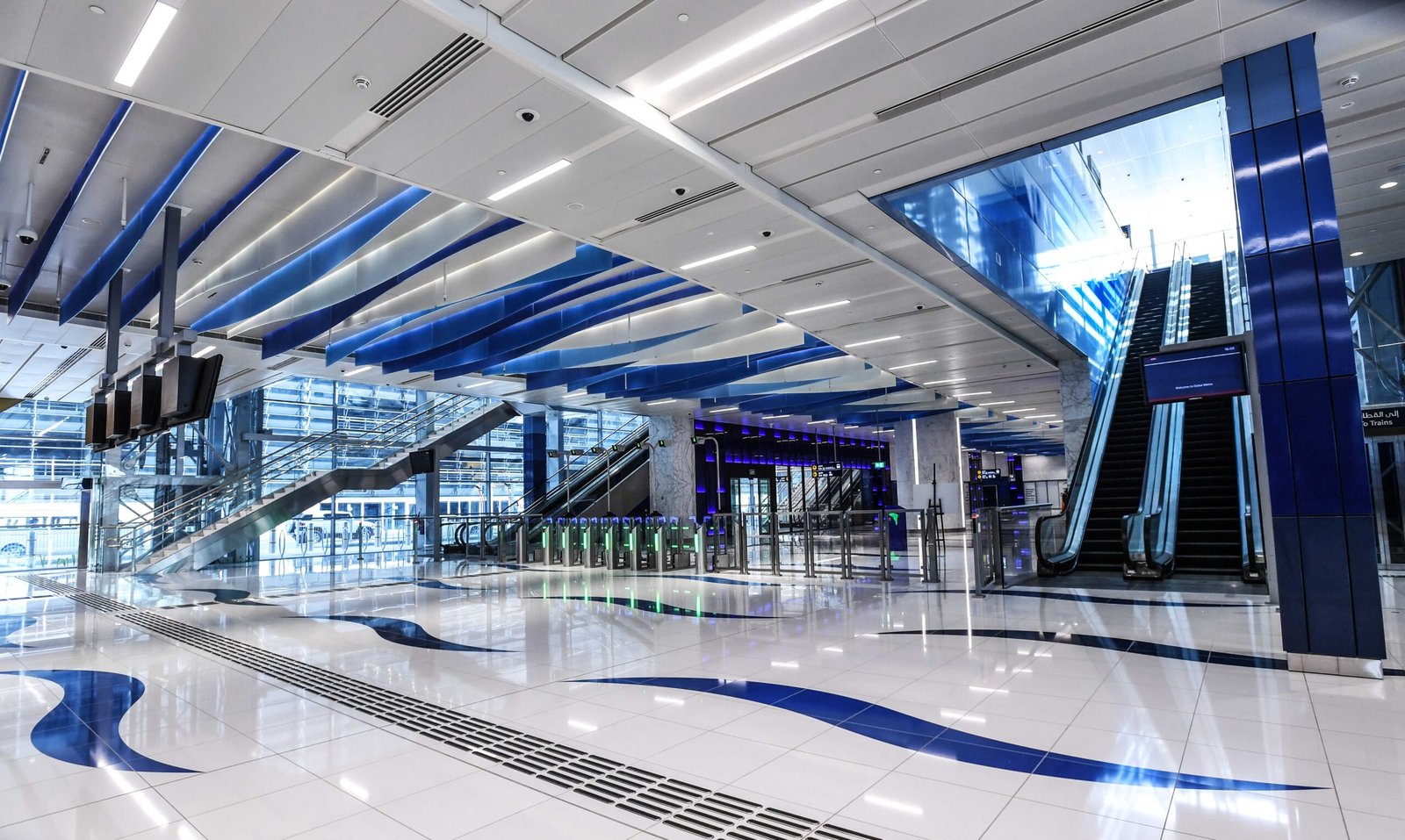
Phases 1 and 2 covered installing energy-efficient LED lighting at
footbridges and various passenger and operational areas across the
Red and Green Line stations. Works are progressing on Phase 3 to
upgrade lighting systems in the remaining facilities, including car
parks, tunnels, extension buildings, and power distribution stations,
in line with the set schedule.
Dawood Alrais, Director of Rail Maintenance at the Rail Agency,
RTA, said: "This step signifies a strategic investment in the
sustainability of Dubai Metro's assets, as the joint efforts have played
a crucial role in delivering a cost-effective solution that contributes to
reducing energy consumption, maintenance requirements, and
environmental impact," affirming that replacing the lighting units will
improve their quality and reliability, thereby enhancing the passenger
travel experience.
The new lighting units have an operational lifespan of up to 11 years
under continuous operation, compared to about one year for
conventional bulbs. This avoids 12 to 13 replacement cycles and
saves 6 to 7 man-hours per unit over its operational lifecycle, in
addition to reducing maintenance requirements and costs. Upon the
project's completion in 2027, electricity consumption is expected to
reduce by more than 14 million kWh annually.