Recognition highlights the park’s commitment to renewable energy, reducing single-use plastics
and sustainability education
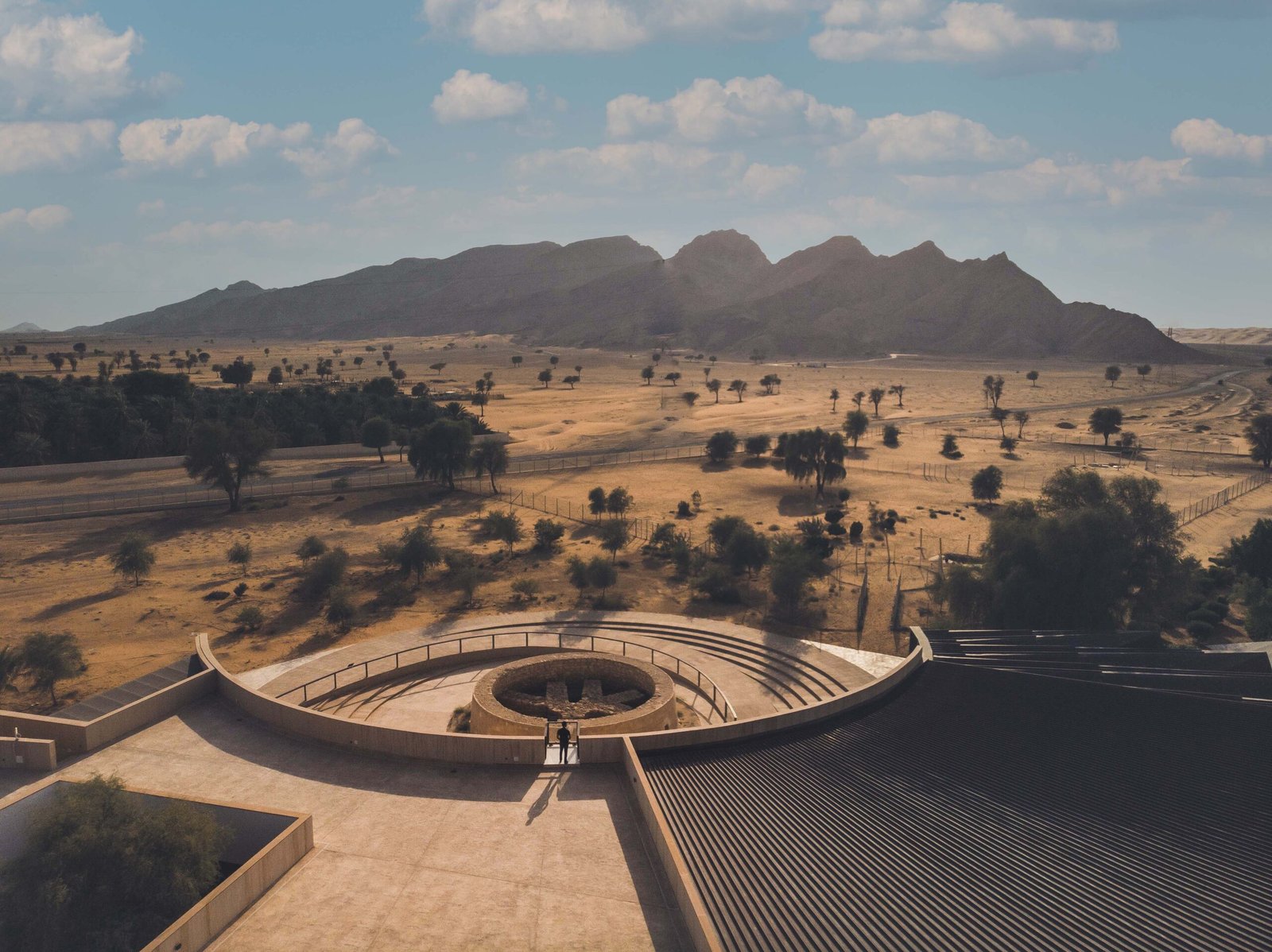
Sharjah,November 5, 2026 : Mleiha National Park has received the Sustain Sharjah Award
in the Destinations category, recognising its commitment to responsible tourism and protecting
Sharjah’s natural and cultural heritage.
The achievement reflects the park’s practical approach to sustainability, combining solar-
powered infrastructure, measures to reduce single-use plastics and educational experiences that
encourage visitors to engage responsibly with the desert landscape.
Solar energy supports the park’s glamping operations, including accommodation, office spaces,
lighting and water pumps, while its surveillance cameras are fully solar-powered. Non-
permanent guest accommodation helps limit the impact of development, alongside designated
vehicle routes and managed access to reduce disturbance to the surrounding environment.
The park is also reducing its reliance on conventional single-use plastic bottles and disposable
cutlery through alternative materials, water refill stations and reusable bottles provided to staff.
Omar Jasim Al Ali, Manager of Mleiha, said: “This recognition reflects our commitment to
making sustainability part of how Mleiha operates and how visitors experience it. From solar-
powered facilities and reducing single-use plastics to managing access and integrating
environmental awareness into our programmes, our focus is on practical actions that support the
protection of this landscape. We will continue strengthening these efforts through monitoring,
education and collaboration, ensuring that tourism contributes to preserving Mleiha’s natural and
cultural heritage.”
Sustainability awareness is integrated into the park’s interpretive tours and educational
workshops, connecting archaeology, ecology, geology and astronomy with the importance of
conservation. These experiences help visitors understand Mleiha’s significance within the Faya
Palaeolandscape, a UNESCO World Heritage Site, and their role in safeguarding it.
Building on these practices, the park plans to strengthen environmental monitoring through
ecological surveys and the establishment of energy, water, waste and carbon baselines. This work
will help guide future conservation measures and resource-efficiency improvements, supporting
a more informed and accountable approach to sustainable tourism.