All

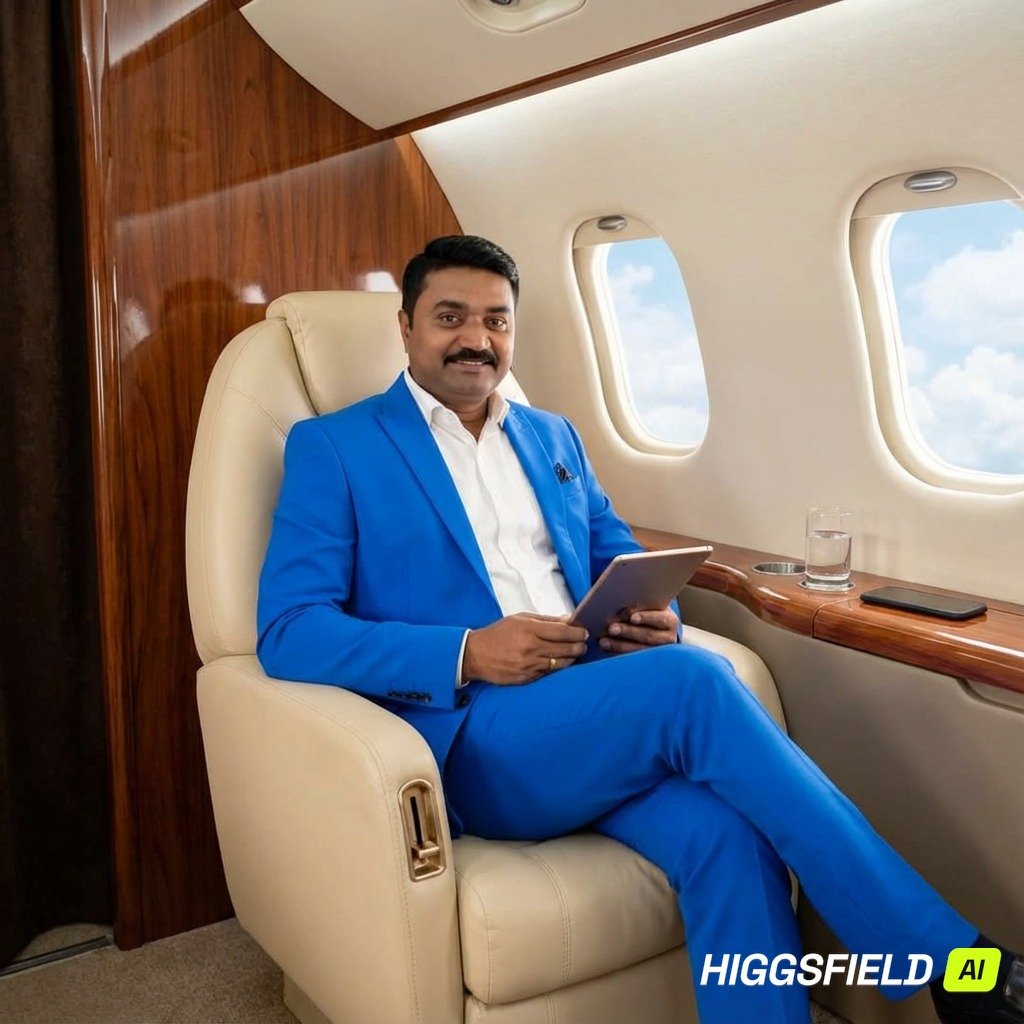
Dubai , February 20, 2026 : As demand for professionally managed private aviation services continues to evolve, Dubai-based Crystal Wings is positioning itself around an integrated operating model focused on reliability, transparency, and long-term value, according to senior leadership.

Founded in 2024 and headquartered in Dubai, the company provides private jet chartering, aircraft management, crew management, air ambulance operations, and aircraft acquisition consulting. Krishna Kumar, who oversees sales and operational functions, said the firm was structured from the outset to respond to increasing regulatory complexity, heightened safety expectations, and the growing sophistication of private aviation clients.

From Charter Provider to Long-Term Aviation Partner

Kumar emphasized that the company was designed to move beyond a purely transactional charter model.

“Crystal Wings was built as a long-term aviation partner rather than a single-service provider,” he said. “Our focus has always been on understanding client requirements in detail and structuring solutions that evolve with them, supported by strong after-sales service and operational continuity.”

The company’s integrated framework combines consultative advisory services, aircraft selection, regulatory compliance, operational management, and ongoing maintenance under a single structure. According to Kumar, this unified approach reduces the need for clients to coordinate with multiple vendors.

“In practical terms, it means one trusted partner managing the entire process,” he noted. “From planning and execution to post-flight support, clients are not required to coordinate across multiple providers.”

Leadership believes this consolidation improves service consistency and reduces operational friction, particularly for high-net-worth individuals, corporations, and institutional clients requiring seamless global mobility.

Balancing Discretion, Safety, and Transparency

Private aviation often requires balancing confidentiality with measurable accountability — a dynamic Kumar described as central to the company’s operating philosophy.

“We separate what needs to remain private from what must remain transparent,” he said. “Clients are always informed about outcomes, standards, and accountability, without unnecessary exposure to internal complexity.”

Safety and professional oversight remain core pillars of the company’s operations. Kumar stressed that aviation reliability depends not only on systems and technology but also on the experience and preparedness of personnel.

“In aviation, systems are important, but people make them work,” he said. “Our pilots, engineers, and operations leaders bring extensive experience and are trained to anticipate complexity, not react to it. That accountability directly supports performance and client confidence.”

The company’s medical aviation division further illustrates this operational philosophy. Air ambulance missions require rapid activation, ICU-level aircraft configuration, and coordinated execution between aeromedical teams and flight crews.

“Medical aviation leaves no margin for ambiguity,” Kumar said. “Our air ambulance operations are designed around readiness, clinical precision, and real-time coordination with medical partners.”

Dubai as a Strategic Global Anchor

Crystal Wings’ leadership identifies Dubai as central to its global strategy, citing the city’s geographic positioning, infrastructure, and regulatory environment as advantages for 24/7 intercontinental operations.

“Dubai gives us geographic reach, infrastructure, and regulatory alignment that supports around-the-clock global missions,” Kumar said. “For urgent charter missions and medical evacuations, that operational readiness is critical.”

Looking ahead, Kumar indicated that growth will remain measured and demand-driven. Fleet expansion and geographic reach, he said, will align with operational capacity rather than scale for its own sake.

“Our priorities are clear,” he added. “Reliability will always come before scale. Integration is our core strength, safety and governance are non-negotiable, and Dubai will remain our global anchor.”

As the private aviation sector increasingly shifts toward structured, professionally governed platforms, Crystal Wings’ leadership believes that operational discipline and consistency will define long-term relevance in the market.
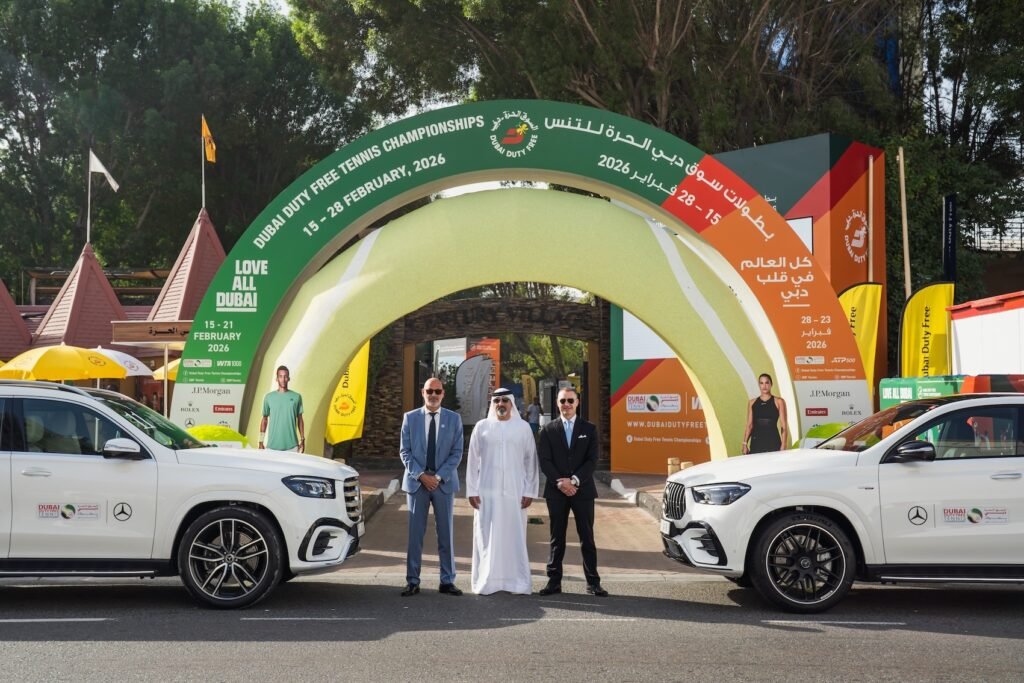
Dubai, February 18 , 2026: Mercedes-Benz, as Premier Partner and Exclusive Automobile Partner of the Dubai Duty Free Tennis Championships 2026 under its long-term Premier Partnership with the Women’s Tennis Association (WTA), will be supported locally by Gargash Enterprises, the authorised general distributor of Mercedes-Benz in Dubai, Sharjah and the Northern Emirates.
As part of this global agreement between Mercedes-Benz and the Dubai Duty Free Tennis Championships, the Mercedes-Benz presence at the event reflects the Middle East’s role within a broader international platform for women’s tennis, connecting performance, innovation and leadership through premium experiences for players, fans and guests.
In support of Mercedes-Benz’s role as Experience Partner, Gargash will bring the brand’s “Welcome Home” philosophy to life by creating environments that prioritise comfort and a sense of belonging for players, officials and spectators. The collaboration will support the Championships through official player mobility, an immersive Mercedes-Benz brand showcase, and curated hospitality and engagement zones designed to
elevate the on-site experience.
The WTA 1000 tournament takes place from 15 to 21 February 2026, followed by the ATP 500 tournament from 23 to 28 February 2026, at the Dubai Duty Free Tennis Stadium in Garhoud.
“Tennis is the ultimate showcase of precision and peak performance, qualities equally reflected in the Mercedes-Benz engineering ethos,” said Thomas Schulz, General Manager, Gargash Enterprises. “Under Mercedes-Benz’s global partnership with the WTA, we are proud to support the Dubai Duty Free Tennis Championships alongside Mercedes-Benz by delivering seamless mobility and curated brand experiences that enhance how athletes and visitors experience the tournament.” Visitors can expect a striking Mercedes-Benz presence throughout the venue, including a premium vehicle display, exclusive hospitality zones, and seamless mobility solutions for players and officials. The brand’s curated spaces will offer fans an up-close encounter with the latest Mercedes-Benz models while enjoying the electrifying atmosphere of the tournament.

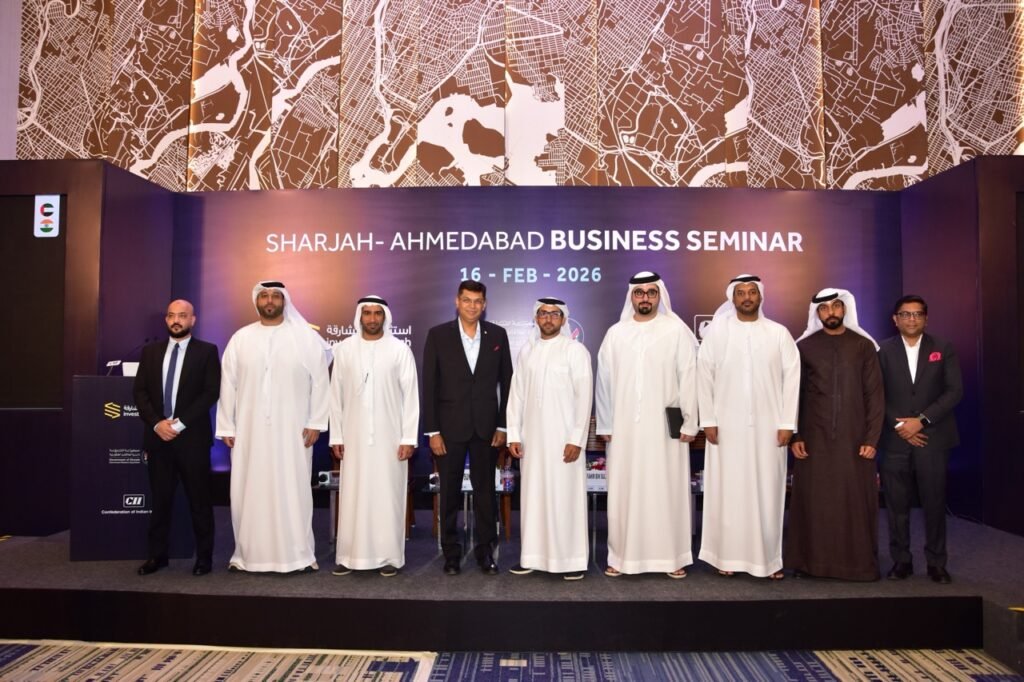
Sharjah, February 18 , 2026: A high-level delegation from Sharjah has concluded a two-day investment roadshow in Ahmedabad and Chennai, reinforcing economic ties and exploring new avenues for collaboration across technology, industry, services and culture.

The ‘Sharjah–India Investment Roadshow’ was organised by the Department of Government Relations (DGR) in collaboration with Invest in Sharjah and the Confederation of Indian Industry (CII). The initiative reflects growing momentum in bilateral trade and investment between the emirate and key Indian economic hubs.

Strong Economic Indicators

The visit comes amid robust economic growth between Sharjah and India. Indian investments have created more than 3,600 jobs in Sharjah over the past five years. During the first nine months of 2025 alone, Indian investors recorded AED 6.1 billion in real estate transactions in the emirate, underlining sustained confidence in Sharjah’s investment climate.

More than 45,000 Indian companies currently operate across Sharjah’s free zones and mainland, spanning manufacturing, trade, logistics and technology sectors. In 2025, over 100 Indian foreign direct investment (FDI) projects were implemented in Sharjah, with a combined value nearing USD 3 billion.

Connectivity has also strengthened commercial ties, with 110 weekly flights linking Sharjah to 13 major Indian destinations.

High-Level Delegation

The delegation was led by Sheikh Fahim bin Sultan Al Qasimi, Chairman of the Department of Government Relations and the Higher Committee for Economic Integration in Sharjah. It included H.E. Mohamed Juma Al Musharrkh, CEO of Invest in Sharjah; Marwan Saleh Alichla, Director of Investment Promotion and Support at Invest in Sharjah; Saif Mohammed Al Suwaidi, Director of Sharjah Publishing City Free Zone (SPC); and Mohammed Bani Hammad, Director of Business Development at Sharjah Research Technology and Innovation Park (SPARK).

Expanding Industrial and Technology Partnerships

Business seminars hosted in collaboration with CII brought together leading industrialists and investors in both cities. In Chennai, the delegation was received by Ajit Chordia, Chairman of CII Chennai Zone and Managing Director of Olympia Group India, alongside senior business leaders. In Ahmedabad, Sunil Dave, Convenor of the CII Gujarat State Panel on International Trade and Exports Collaboration and Managing Director of BC Instruments India Pvt Ltd, welcomed the Sharjah officials.

In his keynote address, Sheikh Fahim Al Qasimi emphasised Sharjah’s commitment to direct engagement with India’s dynamic industrial centres.

“The vibrant automotive, engineering, technology and manufacturing sectors in Chennai and Ahmedabad reflect the same ambition that drives Sharjah’s economic strategy,” he said, describing the cities as natural partners for long-term cooperation.

Mohamed Juma Al Musharrkh highlighted the depth of the Sharjah–India partnership, noting that India remains one of Sharjah’s most trusted trade and investment partners.

“Our objective is to translate this strong relationship into concrete partnerships that enable Indian companies to scale regionally and globally from Sharjah,” he said.

CII representatives underscored that the UAE–India Comprehensive Economic Partnership Agreement (CEPA) has further strengthened the trade and investment landscape, creating a stable and open framework for bilateral growth.

Spotlight on Emerging Opportunities

Panel discussions titled “Investment Opportunities in Sharjah” were held in both cities, focusing on advanced industries, logistics, digital transformation, research and development, smart solutions and creative sectors.

Officials also highlighted growing interest among Indian publishers in establishing operations in Sharjah, supported by the specialised ecosystem at Sharjah Publishing City. Meanwhile, SPARK’s advanced infrastructure was presented as a gateway for Indian companies seeking access to markets across the Middle East and Africa.

The delegation additionally held meetings with industrial and technology firms to explore collaboration in advanced manufacturing and knowledge-based industries, aligning with Sharjah’s long-term vision to build a diversified, innovation-driven economy.

The roadshow marks another milestone in Sharjah’s expanding economic diplomacy, reinforcing its position as a strategic bridge between India and global markets.

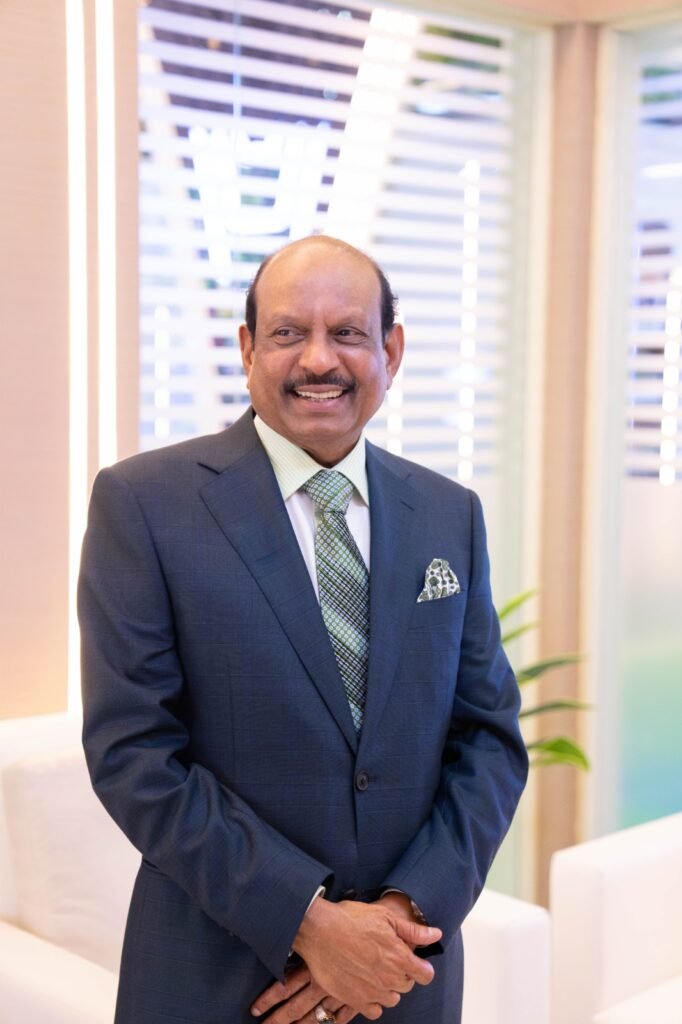
Dubai , February 18, 2026 : M. A. Yusuff Ali, Chairman of Lulu Group International, has been ranked the most influential Indian expatriate in the Middle East, topping The 100 NRIs list released by leading regional business magazine Middle East Entrepreneur.

The annual ranking recognises Indian-origin leaders who have made significant contributions across retail, real estate, healthcare, finance, technology, innovation and strategic investments. According to the magazine, the list was curated after an extensive evaluation of business impact, leadership influence and long-term contribution to regional economic growth.

Yusuff Ali Leads the Rankings

The publication highlighted Yusuff Ali’s transformative role in modernising the retail ecosystem across the Gulf region. Under his leadership, Lulu Group established a professionalised retail model that strengthened supply chains, enhanced food security frameworks and generated large-scale employment opportunities.

Beyond retail, the group’s investments in hospitality, healthcare, financial services and sustainable infrastructure have accelerated diversified economic development in the region, the magazine noted.

Prominent Names in the Top Five

Joining Yusuff Ali in the top five are:

  • Sunny Varkey, Founder and Executive Chairman of GEMS Education
  • Dr. Adnan Chilwan, Group CEO of Dubai Islamic Bank
  • Dr. Azad Moopen, Founder of Aster DM Healthcare
  • Dr. Shamsheer Vayalil, Founder and Chairman of Burjeel Holdings

The magazine underscored the critical role played by healthcare, education and financial institutions in shaping the Middle East’s long-term growth trajectory.

Business Leaders Dominate Top Ten

Several high-profile Indian business leaders also secured places in the top ten, including:

  • Adeeb Ahamed, MD of Lulu Financial Holdings
  • Vivek Oberoi, Bollywood actor and Co-founder of BNW Developments
  • Ankur Aggarwal, Founder and Chairman of BNW Developments
  • Ajay Bhatia, Founder and CEO of SOL Properties
  • Manish Malhotra, Creative Director and entrepreneur

Industry Stalwarts Feature in the List

Other notable figures featured include:

P. N. C. Menon of Sobha Group;
Thumbay Moideen of Thumbay Group;
Ravi Pillai of RP Group;
Firoz Merchant of Pure Gold Jewellers;
Rizwan Sajan of Danube Group;
Sohan Roy of Aries Group;
Ramesh Ramakrishnan of Transworld Group;
Joy Alukkas; and
Shamlal Ahamed of Malabar Gold & Diamonds.

Women Leaders Make Strong Presence

The list also highlights the growing influence of women leaders in the region’s corporate landscape. Among those featured prominently are:

Sima Ganwani Ved of Apparel Group;
Prakriti Singh of Mastercard;
Renuka Jagtiani of Landmark Group;
Shobha Menon of Equiti Group;
Vidya Chhabria of Jumbo Group;
Alisha Moopen of Aster DM Healthcare; and
Sonia Gokhale of VentureSouq.

Celebrating Indian Impact in the Gulf

The 100 NRIs list reflects the expanding economic and strategic footprint of the Indian diaspora in the Middle East. From retail and infrastructure to healthcare and fintech, Indian entrepreneurs continue to play a pivotal role in shaping the region’s evolving business landscape.

With strong cross-border trade ties and long-standing cultural connections between India and the Gulf nations, the influence of Indian business leaders in the Middle East shows no signs of slowing down.

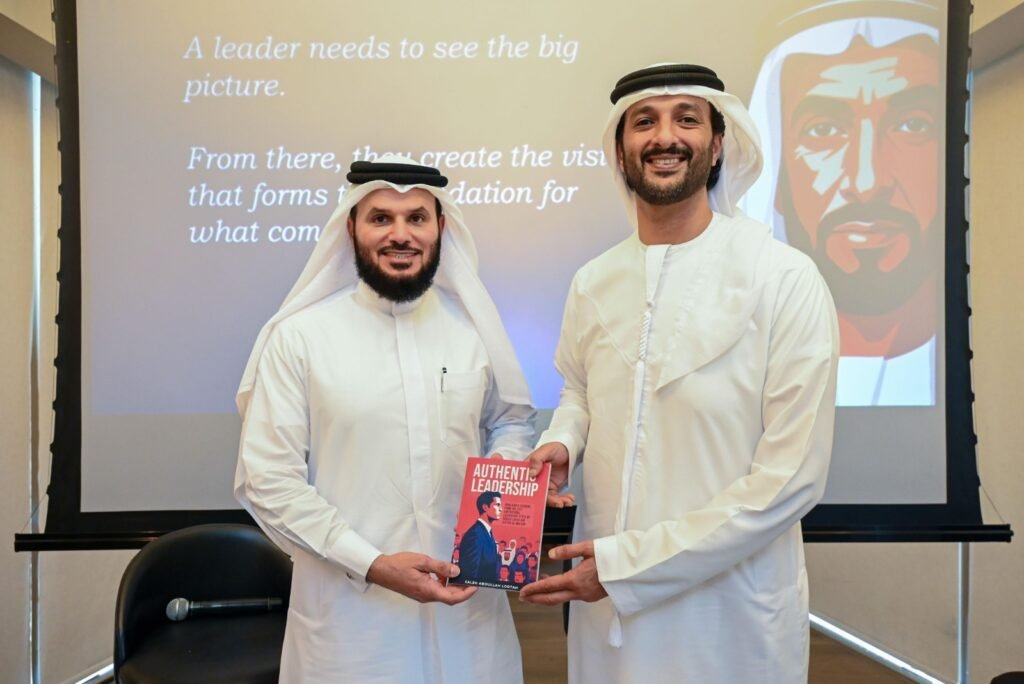
Dubai , February 17 , 2026 : An event attended by His Excellency Abdulla bin Touq Al Marri, UAE Minister of Economy and Tourism, marked the official launch of Authentic Leadership – Invaluable Lessons from the Life and Natural Leadership Style of Sheikh Zayed bin Sultan Al Nahyan, a new book by prominent Emirati business leader and Lootah Holding Chairman Saleh Abdullah Lootah.

The book explores the visionary leadership of the late Sheikh Zayed bin Sultan Al Nahyan, the founding father of the United Arab Emirates, and offers a timely reflection on the values-driven approach that transformed a collection of coastal emirates into one of the world’s most dynamic and globally respected nations.

A Vision That United a Nation

Sheikh Zayed’s ability to unite diverse tribes and emirates under a shared national vision remains one of the most defining achievements in modern state-building. Through dialogue, conviction, and an unwavering commitment to the greater good, he laid the foundations of the UAE Federation in 1971 and led the country for more than three decades with wisdom, humility, and purpose.

Before unification, the region was known as the Trucial States — a grouping of coastal sheikhdoms navigating complex tribal and geopolitical realities. The emergence of the UAE from these beginnings into a global economic powerhouse required leadership capable of addressing cultural diversity while inspiring unity and shared aspiration.

In less than 55 years since its formation, the UAE has risen to become the world’s 29th largest economy, with Gross Domestic Product reaching approximately US$570 billion — a milestone that underscores the depth of its economic transformation.

From Coastal Emirates to Global Hub

Today, the UAE stands as the second-largest Arab economy and a major global hub for trade, investment, innovation, and talent. In 2025, the nation’s non-oil foreign trade reached Dh3.8 trillion, reflecting sustained growth and resilience amid shifting global dynamics.

The country has become an international destination for entrepreneurs, investors, scientists, professionals, and global talent, widely regarded as one of the safest and most opportunity-rich environments in the world.

According to Lootah, this progress is deeply rooted in Sheikh Zayed’s authentic and people-centred leadership philosophy.

“When the UAE was formed, uniting seven Emirates with distinct identities posed an extraordinary challenge,” Lootah writes. “Sheikh Zayed achieved this unification through the power of vision — speaking with clarity, listening with respect, and inspiring a shared purpose.”

Leadership Through a Modern Lens

In the book, Lootah draws on leadership scholarship and lived national experience to present Sheikh Zayed as a model of “authentic leadership” — a style grounded in integrity, responsibility, empathy, and long-term vision.

The publication also examines how the UAE’s leadership has consistently transformed global challenges into opportunities — from financial crises to the COVID-19 pandemic — demonstrating adaptability, courage, and governance focused on people and long-term sustainability.

By evaluating Sheikh Zayed’s approach through the lens of modern global management frameworks, Lootah argues that the founding father intuitively embodied principles that today’s leadership theorists formally define.

A Blueprint for Future Leaders

Now available in English and Arabic through Amazon, Authentic Leadership serves as both a tribute to Sheikh Zayed’s enduring legacy and a blueprint for the next generation of leaders — those committed to building trust, driving meaningful impact, and shaping a future rooted in values and purpose.

The launch event underscored the continued relevance of Sheikh Zayed’s philosophy at a time when leadership worldwide faces increasing complexity. More than a historical reflection, the book positions authentic, values-based leadership as essential to sustainable national and organizational success in the 21st century.

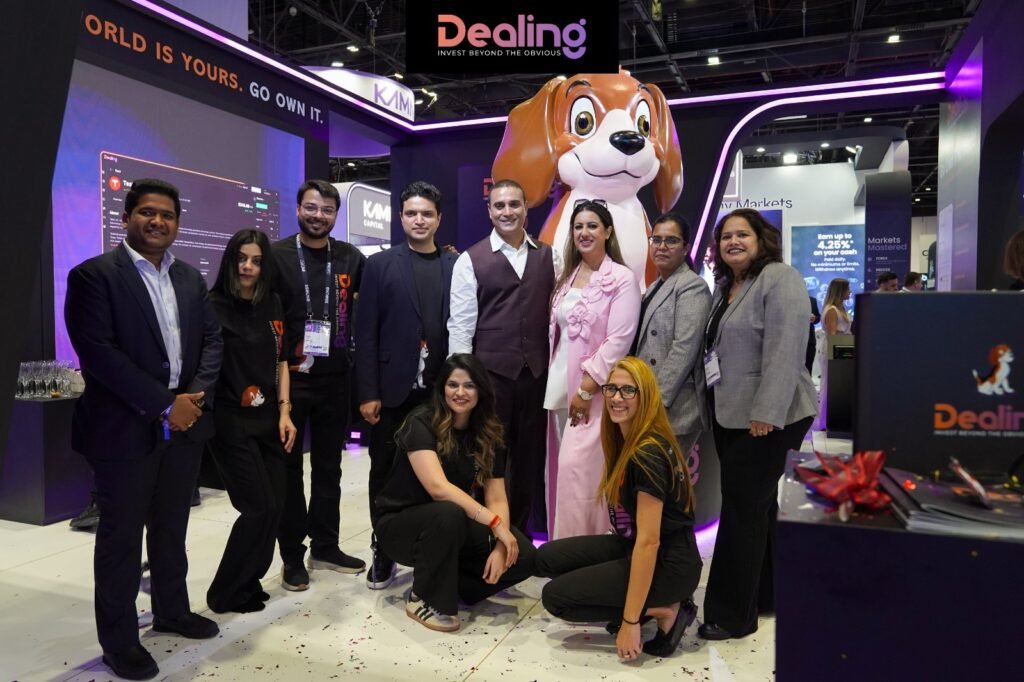
Dubai ,February 17 , 2026 : 2026: Dealing , a new global investing platform, has officially launched with a clear mission to reshape how investors access, understand, and participate in global financial markets. Built as an investment-first platform, Dealing is designed for long-term investors who prioritise diversification, discipline, sustainable wealth creation, and exposure.

Starting today, Dealing will offer opportunities to invest in more than 30,000 financial assets across 10+ global markets operating under 30+ licenses and registrations. Through a single unified account, investors can participate across stocks, ETFs, derivatives, and other global instruments, enabling meaningful diversification across markets.

The platform’s core focus is to provide a fully transparent, secure, simple, and compliant investing experience across mobile and web. It is built on an education-led approach that empowers investors to make informed decisions with the right mindset, free from pressure, urgency, or impulsive actions. At a time when global equity participation remains structurally limited, Dealing unlocks borderless access, enabling investors to participate across markets worldwide and access wealth-creation opportunities that extend beyond the ordinary, beyond borders, and beyond the obvious.

The global investing platform is first consumer-facing platform under the broader umbrella offered by Dealing Investment Banking Services headquartered in Mauritius. Dealing Investment Banking Services offers corporate finance advisory, product structuring and distribution, wealth management and investment advisory, market making / liquidity facilitation and brokerage and execution services through the global investing platform. 

Tajinder Virk, Co-Founder and CEO, Finvasia Group and Dealing said at the launch,“Dealing was born from a simple insight: global investing isn’t a lack of opportunity, it’s the complexity and fragmentation that hold most investors back. Even today, around 90% of global stocks remain out of reach for individual investors. Dealing was created to remove these barriers, uniting global markets, opportunities, and assets into a single, transparent experience so investors can participate confidently and focus on long-term wealth creation.The global investing platform is a part of Dealing Investment Banking Services and it is going to revolutionize how investment banking is done. This is our first step of bringing investment bank to the masses.”

Backed by the Finvasia Group, Dealing Investment Banking Services operates within a robust global regulatory and compliance framework, including an FSC Mauritius Investment Banking LicenseCySEC regulation, and authorisation under the UAE Securities and Commodities Authority (SCA), alongside other international registrations. The platform’s fully-owned technology stack and direct regulatory licensing provide rare end-to-end control over infrastructure, compliance, execution, and data security, reducing reliance on intermediaries while enhancing transparency and investor protection. The group has been serving investors across 120+ countries. 

The launch of Dealing was marked at IFX Dubai Expo, one of the world’s leading global fintech and trading industry forums, reflecting the platform’s global ambition and institutional-grade foundations. 

Following its launch, Dealing will initially focus on expanding its presence across GCC markets, with plans to progressively scale into Europe, Africa (including South Africa), and other key global regions. As global markets evolve, Dealing will continue to add more assets, more markets, and broader opportunities. As investors increasingly seek international exposure across developed, emerging, and fast-growing markets, Dealing prioritises education over speculation, alignment over activity, and long-term wealth creation over short-term noise. 

With its launch, Dealing sets out to redefine what global investing should look like in the modern era: accessible, responsible, and built around the investor. 

Dubai , February 17 , 2026 : he National Centre of Meteorology (NCM) has forecast that the UAE will experience relatively unstable weather conditions from tomorrow until 21st February, characterised by a gradual rise in temperatures and humid conditions in the mornings across several areas.

The Centre stated in a statement that tomorrow’s weather will be humid in the morning, with a chance of fog or mist formation over some internal areas. It will become dusty during the daytime and partly cloudy to cloudy at times over some northern and eastern areas, with a chance of rainfall over the far northern regions, accompanied by a gradual rise in temperatures.

Winds will be northwesterly becoming northeasterly to southeasterly, light to moderate in speed, freshening at times over the sea, with speeds ranging from 10 to 20 km/h, reaching up to 40 km/h. The sea will be rough in the morning, becoming moderate to slight in the Arabian Gulf and the Oman Sea.

On Wednesday, the weather will remain humid in the morning with a chance of fog or mist formation over some coastal and western internal areas, becoming fair to partly cloudy during the day. Winds will be southeasterly to northeasterly, light to moderate and freshening at times, with speeds ranging from 10 to 25 km/h, reaching up to 35 km/h. The sea will be slight in the Arabian Gulf and the Oman Sea.

On Thursday, humid conditions are expected in the morning with a probability of fog or mist formation over some western internal areas, becoming fair to partly cloudy during the rest of the day. Winds will be southeasterly to northeasterly, light to moderate and freshening at times, with speeds ranging from 10 to 20 km/h, reaching up to 35 km/h. The sea will be slight in the Arabian Gulf and the Oman Sea.

On Friday, humid conditions will prevail in the morning with a chance of fog or mist formation over some coastal and western internal areas, becoming fair to partly cloudy during the day. Winds will be southeasterly to northeasterly, light to moderate in speed, ranging from 10 to 20 km/h, reaching up to 30 km/h. The sea will remain slight in the Arabian Gulf and the Oman Sea.

On Saturday, the weather will be humid in the morning with a chance of fog or mist formation over some coastal and internal areas, becoming fair to partly cloudy during the day. Winds will be northeasterly to northwesterly, light to moderate and freshening at times, with speeds ranging from 10 to 25 km/h, reaching up to 35 km/h. The sea will remain slight in the Arabian Gulf and the Oman Sea.

New York, February 17, 2026 : Gold fell 1 percent on Tuesday as thin trading persisted across major Asian markets due to the Lunar New Year holidays, while a firmer dollar also pressured prices.

Spot gold dropped 0.9 percent to $4,947.98 per ounce by 01:10 GMT, after losing 1 percent earlier in the session.

US gold futures for April delivery lost 1.6 percent to $4,966.80 per ounce.

Spot silver fell 2.7 percent to $74.51 per ounce, after dropping over 3 percent earlier.

Spot platinum shed 0.8 percent to $2,025.05 per ounce, while palladium lost 1.5 percent to $1,698.10.

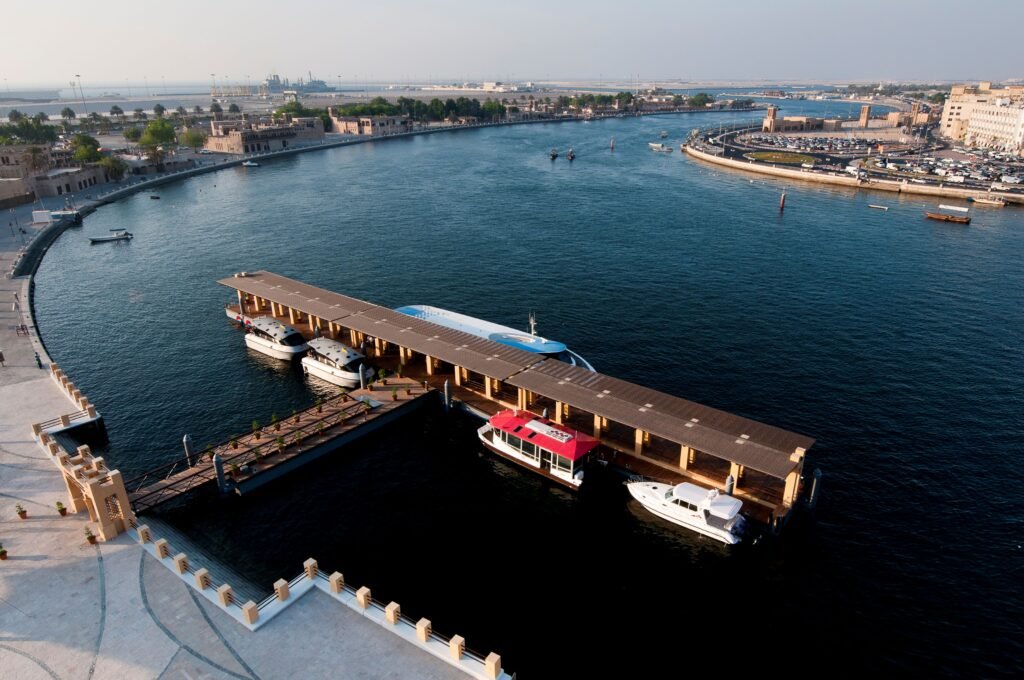
Dubai , February 17 , 2026 :Dubai’s Roads and Transport Authority (RTA) announced the
working hours for all its services during the Holy Month of Ramadan
1447 AH / 2026. The revised schedules cover Customer Happiness
Centres, paid parking zones, public buses, Dubai Metro and Dubai
Tram services, marine transport services, and service provider
centres (vehicle technical inspection).
Customer Happiness Centres
Deira – Al Tawar Centre – Al Manara Centre – Al Kifaf Centre
Monday to Thursday
9:00 am to 5:00 pm
Friday
9:00 am to 12:00 midday
Customer Happiness Centre – Al Barsha
Monday to Friday
9:00 am to 5:00 pm
Customer Happiness Centre – Umm Ramool
Operates 24/7
Tasjeel Al Qusais, Tasjeel Al Barsha, Tasjeel Al Warsan, Al
Mutakamela Al Qouz
Monday to Thursday and Saturday
Morning period: 8:00 am – 4:00 pm
Evening period: 8:00 pm – 12:00 midnight
Friday
Morning period: 8:00 am – 12:00 noon

2
Evening period: 4:00 pm – 12:00 midnight
Note: From 4:01 pm to 7:59 pm, only technical inspection services
are provided.
Service Provider Centres (Vehicle Technical Inspection)
Monday to Thursday and Saturday
Tasjeel Jebel Ali: 7:00 am – 4:00 pm
Tasjeel Hatta: 8:00 am – 3:00 pm
Al Riyada: 8:00 am – 4:00 pm
Friday
Tasjeel Jebel Ali: 7:00 am – 12:00 noon
Tasjeel Hatta: 8:00 am – 12:00 noon
Al Riyada: 8:00 am – 12:00 noon
Note: From 4:01 pm to 7:59 pm, only technical inspection services
are provided throughout the week.
Tasjeel Al Qusais, Tasjeel Al Barsha, Tasjeel Al Warsan, Al
Mutakamela Al Quoz, Cars Al Mamzar
Monday to Thursday and Saturday
Morning period: 8:00 am – 4:00 pm
Evening period: 8:00 pm – 12:00 midnight
Friday
Morning period: 8:00 am – 12:00 noon
Evening period: 8:00 pm – 12:00 midnight

Dubai , February 16 , 2026 : Dubai’s Roads and Transport Authority (RTA) announced that the number
of users of public transport and shared mobility services in Dubai —
including Dubai Metro, Dubai Tram, public buses, and marine transport
modes comprising abras, ferries and water taxis — in addition to shared
mobility options such as app-based vehicles, hourly rental vehicles and
on-demand buses, as well as taxis operated by Dubai Taxi Corporation
and franchise companies — reached 802.1 million riders in 2025,
compared with 747.1 million riders in 2024, marking 7.4% growth.
The average daily ridership reached 2.2 million riders, compared with 2
million riders in 2024. Meanwhile, 23.6 million riders used premium
(limousine) transport services “not included in the total public transport
ridership”, compared with 19.2 million riders in 2024.

2

The total number of trips across public transport, shared mobility and taxis
during the past year reached 167.3 million trips, including 120 million taxi
trips and more than 41 million shared mobility trips.
October and November recorded the highest number of trips, with 15.1
million trips each. October 2025 recorded the highest monthly passenger
volume, with 72.8 million riders, followed by November with 72.6 million
riders, and December with 71.4 million riders. Passenger numbers during
the remaining months ranged between 61 million and 69 million.
High demand levels recorded during the final quarter of the year confirm
stable usage levels across the public transport system during peak
periods, demonstrating the network’s capacity to accommodate increased
demand under consistent operating conditions. December recorded
slightly lower levels than October and November, reflecting changes in
travel patterns associated with the holiday season and year-end period.
Strategic Vision Success
His Excellency Mattar Al Tayer, Director General, Chairman of the Board
of Executive Directors of the Roads and Transport Authority (RTA), said:
“Sustained growth in public transport and shared mobility usage across
Dubai, which reached 7.4% last year, together with a 30% increase in
shared mobility compared with 2024, represents a structural shift in
mobility patterns. This progress underscores the success of RTA’s
strategic vision to develop an integrated transport system that serves as a
fundamental pillar of quality of life and supports economic development
across the emirate.”
He added: “These indicators represent the culmination of long-term
investments in infrastructure, smart technologies and the integration of
various transport modes. Public transport has become a central pillar of
sustainable urban planning and a key enabler of city efficiency,
strengthening its capacity to accommodate rapid population and economic
growth.”
High Operational Efficiency
Al Tayer further added: “The continued rise in demand across Dubai’s
public transport system demonstrates the network’s ability to operate with
high efficiency, supported by the seamless integration of metro, tram,
buses, marine transport and shared mobility services. The diversity of
options caters to daily mobility needs, providing flexible and safe
alternatives that serve different user segments.”

3

“RTA continues to advance an intelligent, sustainable and integrated
public transport system by expanding metro, tram and bus networks,
enhancing the efficiency of marine transport, and supporting shared
mobility solutions. We are also deploying artificial intelligence technologies
in data management and in designing the customer journey, in line with
Dubai’s future aspirations as a leading global city and reinforcing its
position among the world’s best cities to live, work and visit.”
“RTA intends to expand dedicated lanes for buses and taxis during 2025
and 2026, including the implementation of six new corridors extending 13
km, increasing the total length of dedicated bus and taxi lanes to 20 km.
These lanes will contribute to a 10% increase in ridership, improve bus
on-time performance by 42%, and reduce bus journey times by 41%. We
are also studying a trackless tram project across eight locations in Dubai.
This advanced, autonomous and environmentally friendly system operates
on electric power and uses a virtual track guided by camera-based
detection of painted road markings. It offers lower costs and shorter
implementation timelines compared with conventional tram systems,” he
continued.
“Our strategic goal is to establish public transport as the first choice for
mobility in Dubai through continuous service quality enhancement,
expanded coverage, stronger integration across modes and improved
user services. We are building a flexible, safe and sustainable transport
system that keeps pace with rapid population and economic growth while
supporting Dubai’s journey towards more seamless and efficient mobility
and a higher quality of life for all.”
Usage Shares
Dubai Metro constitutes the backbone of Dubai’s public transport system,
accounting for the largest share of users across public transport, shared
mobility and taxis in 2025 at 37%. Taxis represented 26%, compared with
27% in 2024, marking a decline for the third consecutive year — a positive
sign of riders shifting towards public transport. Public buses accounted for
25% of total users.
Shared mobility services recorded sustained growth over the past three
years, increasing from 6.2% in 2023 to 7.5% in 2024, and reaching 9% in

  1. Marine transport modes and Dubai Tram maintained stable shares
    of 2% and 1%, respectively.
    This shift reflects continued growth in public transport usage, supported by
    improved service reliability and stronger integration between metro, buses

4

and shared mobility services, reinforcing the role of the public transport
system in meeting the mobility needs of residents and visitors.
The sustained increase in passenger numbers also highlights the impact
of ongoing system development and continuous alignment of services
with demand, particularly in managing peak demand and enhancing
mobility across all public transport modes.
Dubai Metro
Dubai Metro recorded 294.7 million riders across its Red and Green lines
in 2025, reflecting a 7% increase compared with 2024.
BurJuman Metro Station — an interchange station serving both lines —
and Al Rigga Metro Station accounted for the highest passenger volumes
during the year. BurJuman handled 17.8 million riders, an increase of
more than 1.5 million compared with the previous year, while Al Rigga
recorded 13.8 million riders.
On the Red Line, Union Metro Station recorded the highest ridership with
13.6 million riders, followed by Mall of the Emirates Metro Station with
11.2 million riders, and Burj Khalifa Dubai Mall Metro Station with 10.9
million riders.
On the Green Line, Sharaf DG Metro Station ranked first with 10.5 million
riders, followed by Baniyas Square Metro Station with 8.4 million riders,
and Stadium Metro Station in third place with 7.5 million riders.
High demand at these stations reflects their operational roles within the
network. Some function as key interchange hubs between lines, while
others serve major urban, commercial and tourist destinations. Several
are also integrated with bus stations and the wider public transport
network, enhancing accessibility and supporting daily mobility for
residents and visitors.
Ridership
Public buses carried 197.2 million riders last year, reflecting a 5%
increase compared with 2024.
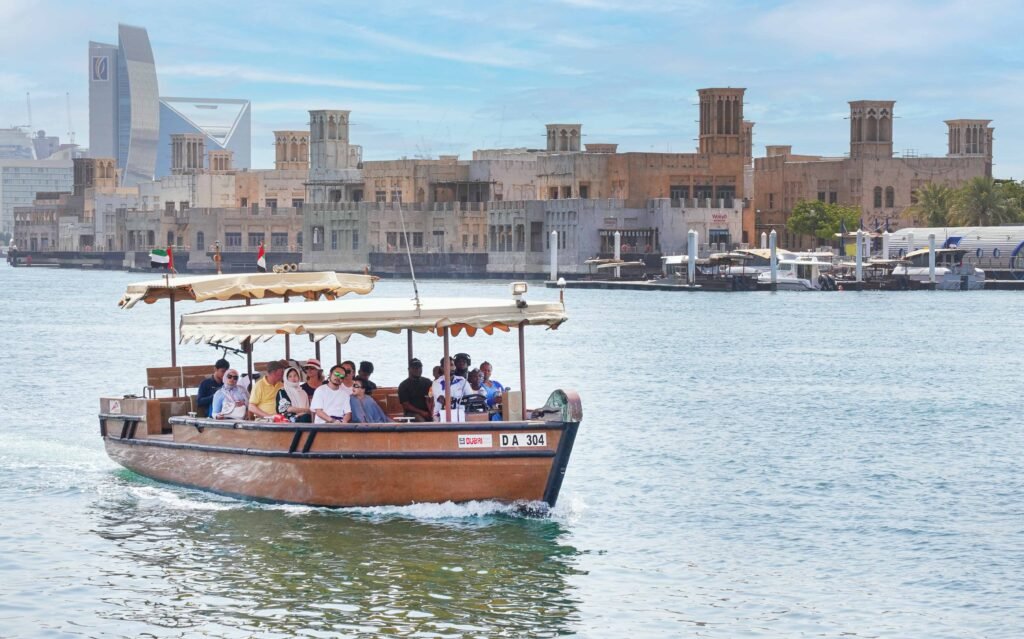
Marine transport modes — including abras, water taxis and Dubai Ferry —
served 18.4 million riders, marking a 3% increase. Dubai Tram
transported 9.9 million riders, up 5% compared with 2024.

5

Shared mobility services — comprising app-based vehicles, hourly rental
vehicles and on-demand buses — carried 72.9 million riders, recording
30% growth.
Taxis in Dubai transported 209 million riders, representing a 4% increase
year-on-year. Meanwhile, premium (limousine) transport services served
23.6 million riders in 2025, achieving a 22% increase compared with
2024.
This distribution across modes reflects the integration of the public
transport system by providing multiple alternatives that cater to different
daily travel patterns. Public buses and Dubai Metro primarily serve high-
volume daily journeys, while on-demand and premium services
complement the network by covering short-distance or specialised trips,
enhancing flexibility within a connected mobility network.
It also highlights the system’s ability to accommodate growing demand
efficiently within a cohesive operational framework, supporting Dubai’s
continued progress towards more seamless mobility and a higher quality
of life for residents and visitors.