Dubai , April 9 , 2026 : Smartphones are getting more expensive, and the Middle East is firmly part of that story. In the
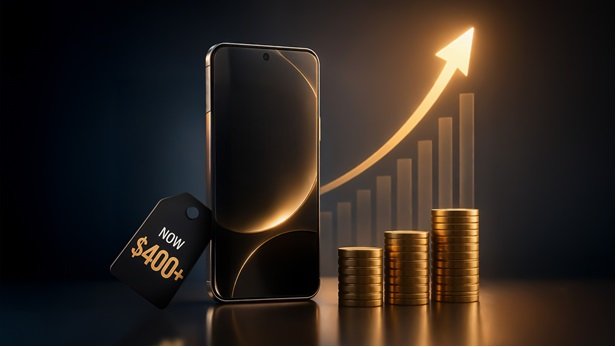
final quarter of 2025, the global average selling price (ASP) of smartphones pushed past 400
dollars for the first time. 1 In 2026, that line isn't dropping: forecasts suggest prices will keep
edging higher as mid‑ to premium‑tier phones take a bigger share of what people actually buy.
At the same time, global shipments this year are likely to soften rather than surge as those cost
pressures work their way through the market – a reset rather than a collapse, with better
phones, higher prices, and more cautious upgrade cycles 2 .
Why the Middle East Isn’t an Exception
For the Middle East, the outlook for 2026 closely tracks these global patterns. Regional analysis
flags that growth this year is likely to moderate, as higher component and logistics costs push
pricing up. 3 At the same time, figures for the broader region suggest the market should remain
healthy overall 4 , just more particular than before – buyers are still upgrading, but they are more
selective about where each dirham or riyal goes.
The Hidden Cost of Memory and AI
One of the main reasons prices are rising is hidden inside every phone: memory. The DRAM
and NAND chips that make up a big share of a smartphone’s bill of materials are the same
types of components being bought at scale for AI data centers. 5 As AI infrastructure spending
accelerates, analysts warn that these memory markets are tightening, lifting costs for all device
makers and pushing brands in 2026 to focus less on pure volume and more on the mix of
products they sell.
At the same time, today’s phones are expected to handle on‑device AI tasks, run demanding
apps on fast 5G – and in places like the UAE, 5.5G – and drive bright, high‑refresh‑rate OLED
displays, which means using more advanced chipsets and larger memory configurations, adding
even more pressure to prices.
Flagship-Level, Without the Flagship Price
Where things get interesting in 2026 is just below those top price points. A clear pattern has
emerged: many people who were ready to upgrade have been choosing phones that sit one or
two levels below the very highest‑priced flagships, rather than stretching all the way to the top. 7
This is not about basic, bargain devices, but about models that deliver a flagship‑like experience
at a more grounded price. With shipments expected to soften while prices keep rising, this
upper‑mid tier is where much of the realistic upgrade action is likely to stay.
Brands Betting on Specs Over Status
In that upper‑mid space, brands such as HONOR and others have been playing a slightly
different game. They are building out their own ecosystems of phones, tablets, and wearables,
but rather than relying mainly on ecosystem lock‑in or long‑standing prestige, they put the focus
on what you actually get for your money: recent‑generation processors, generous RAM and
storage, large batteries with fast charging, capable camera systems, and quality OLED panels.
Across many current line‑ups, it is common to find a phone from these brands offering more
memory or a larger battery than a base flagship from an entrenched rival at a similar or lower
price point. The same cost pressures that are pushing prices up across the industry still affect
them, but this “spec‑heavy for the price” approach makes their devices feel like stronger value in
a year when every extra dirham or riyal counts.
Are You Paying for the Phone or the Logo?
For Middle East consumers, the implication is not that premium flagships are suddenly a bad
choice. For users who are deeply invested in a particular ecosystem — with watches, laptops,
and subscription services all tied together — paying extra to stay inside that world can still be
rational. What is changing, as global average prices rise and growth cools slightly, is how visible
that trade-off becomes: the logo premium is far clearer when a device that carries it costs
significantly more than another phone with very similar day-to-day capabilities.
Before You Upgrade, Ask This
In a year when prices are rising and upgrades are slowing, it helps to treat a new phone like any
other major expense. Start by asking, at your actual budget, which device gives you the best
balance of camera performance, battery life, and everyday responsiveness – not just the most
familiar name on the shelf. Then look at how much you truly rely on the unique parts of a given
ecosystem, compared with how much of your life now runs through cross‑platform apps like
messaging, streaming, banking, and ride‑hailing.
There is no single “correct” choice, but the momentum in 2026 is clearly towards phones that
deliver most of the flagship experience without the very top‑tier price tag. 9 For buyers in the
Middle East watching prices climb, that is where brands like HONOR, alongside other
value‑focused players, are likely to become more relevant – not as a compromise, but as
options where more of each dirham or riyal goes into the hardware and experience you use
every day, rather than the logo on the back.