Year: 2026


Approximately 125 billion electronic invoices are issued annually worldwide out of a total global invoice volume of 600 billion. The global e-invoicing market is valued at US$18.5 billion and is projected to grow to over US$70 billion by 2034

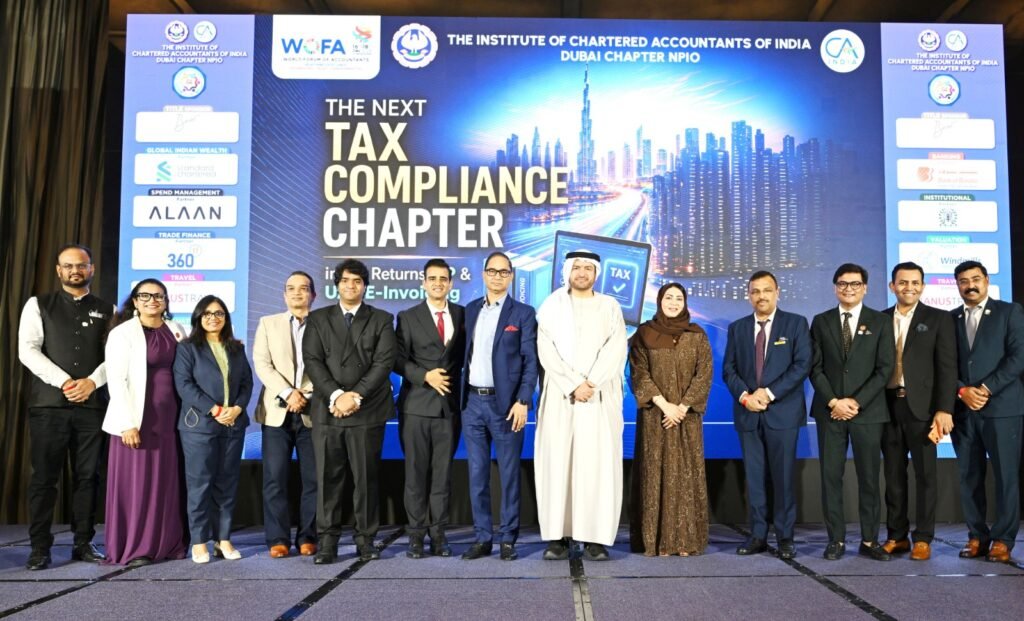
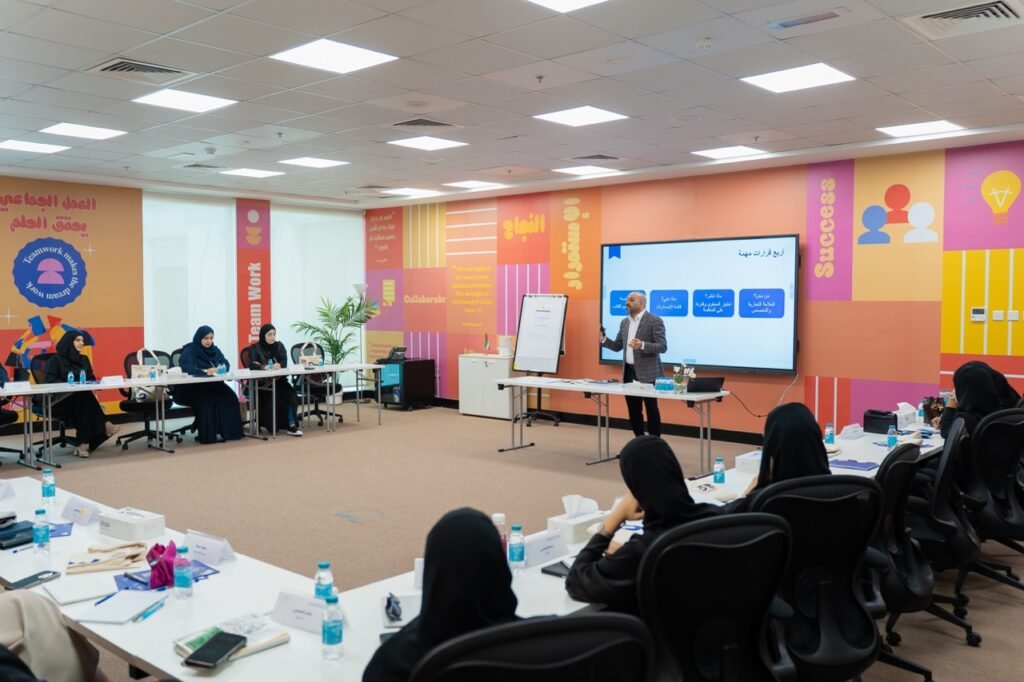
Dubai , September 28 , 2026 :UAE corporates and businesses should use the available time to prepare for E-Invoicing, which becomes effective in phases starting January 1, 2027 – or just over three months away, according to officials and experts speaking at a conference titled: The Next Tax Compliance Chapter in Corporate Tax Returns, Transfer Pricing and E-Invoicing, organised by the Dubai Chapter of the Institute of Chartered Accountants of India (ICAI).

 The UAE is introducing a mandatory Electronic Invoicing (E-Invoicing) system managed by the Federal Tax Authority (FTA) to improve tax transparency and reduce fraud. E-Invoicing is a key step in the UAE’s digital transformation journey, enabling secure, structured and fully electronic exchange of invoice data between businesses and reporting it to the FTA.

The conference, attended by more than 500 members of ICAI, featured keynote addresses by eminent speakers who urged professionals to focus on their mind, sharpen them and utilise the power of mind.

“We are fortunate enough to be witnessing, and as Chartered Accountants being part of an exciting time that will be remembered in history for a smooth migration from a non-tax to a tax environment. By implementing the international best practices in taxation, the UAE has taken a leadership role in its migration to the tax environment that has so far been smooth,” CA Rishi Chawla, Chairman of the Dubai Chapter of the ICAI, said in his opening remarks at the conference.

“With the E-Invoicing programme that is going to be implemented next year, we can see that the country is becoming a role model in this transformation, The FTA is gradually preparing the stakeholders for the most transparent tax environment and as Chartered Accountants, I’m sure we are more than ready for this game-changing transformation.”

E-invoicing refers to the automated creation, sending, and processing of digital billing documents between businesses and governments without manual work. By introducing E-Invoicing, the UAE wants to be a key enabler of a modern digital and paperless economy while maximising UAE Federal Government revenue collection, reduce tax gaps and tax evasion and creating a balanced playing field for all businesses and thereby enhancing the ease of doing business.

The UAE collected more than Dh46 billion (US$12.5 billion) in Value Added Tax (VAT) and Excise Tax revenues in 2025, marking a 15 percent increase from Dh41 billion in 2024.

Dr. Zahra Al Dahmani, Director of Tax Payer Services Department Federal Tax Authority, says, “When people hear about E-Invoicing, they think about compliance or just another administrative requirement. But the reality is, E-Invoicing is much bigger than that. E-Invoicing represents another important step in the UAE’s digital transformation and in the continued development of a tax system that is efficient, transparent and designed to support a model economy. 

“Technology has helped reshape the UAE’s progress for many years not because we adopt innovation for its own sake, but because we recognise its ability to simplify the processes, improve services and create new opportunities. Our approach has also been guided by flexibility and international best practices. The UAE has adopted a decentralised continuous transaction, control and exchange model, commonly known as the Five-Corner Model, allowing businesses to exchange e-invoices through the Accredited Service Providers using internationally recognised standards.”

Explaining the role of the Ministry of Finance, Federal Tax Authority and the Accredited Service Providers, she said, “We have now reached at an important stage in the programme – the Pilot Phase – is underway. Businesses can now onboard their Accredited Service Provider through Emaratax and participating organisations can begin issuance and exchange of E-Invoices during the testing processes. The programme has now moved from planning to implementation stage – which brings me to my main message – Use the time available to prepare!”

According to the global industry authority Billentis, approximately 125 billion electronic invoices are issued annually worldwide out of a total global invoice volume of 600 billion. The global e-invoicing market is valued at approximately US$18.5 billion and is projected to grow to over US$70 billion by 2034. More than 80 countries plan to enforce structured e-invoicing rules by 2027 to close tax gaps.

The UAE has more than 1.4 million registered businesses and 245,000 of them have applied for Corporate Tax registration, so far.

Hisham Al Taher Board Member, Chairman, Tax Committee / Media Affairs Emirates Association for Accountants & Auditors, said, “Putting the words ‘tax’ and ‘happiness’ together in the same statistics is not an easy achievement. For many years, we considered an invoice as a piece of paper. Now it is gradually becoming a structured data that can travel between systems that remains there as a record that we could later analyse.

“For me it is not just another project – but a complete business transformation – that makes tax more transparent and helps businesses operate better.”

With more than 3,200 members, ICAI Dubai Chapter is the largest business group in the UAE. Established in 1982, it is also the largest, most active and award-winning chapter among the 44 overseas chapters of ICAI. It has registered a phenomenal growth in membership has exceeded 3,200 members who represent more than 1,550 multinationals and other companies.

CA Mithilesh Reddy, Founder and CEO of SBC Tax Consulting, said, “It has been a remarkable few-year journey of implementation of the Corporate Tax in the UAE. I remember, in 2022–23, when we were discussing transfer pricing and the introduction of corporate tax, we were also involved in preparing the guidance notes from Delhi.

“I still remember participating in the Train the Trainer programme. From there onwards, we worked on the guidance notes, and today, we are here discussing the second year of implementation. It has been a remarkably smooth journey. There have been no extensions and no major confusion. The system has been integrated smoothly, and that deserves recognition.”

ICAI is the largest professional body of Chartered Accountants across the world with over 1,000,000+ students and around 450,000+ members. ICAI has a wide network with five Regional Councils, 176 Branches, 54 Overseas Chapters, and 31 representative offices across the globe. And among 54 overseas chapters, ICAI Dubai Chapter is the largest and most vibrant chapter of ICAI. Of the 8,000 Indian Chartered Accountants active in the UAE‘s private sector, 1,400+ are currently leading businesses in senior positions.
Dubai , September 2​8 , 2026 : As the UAE moves into the season of gifting, gatherings, and celebration,

Emirates Gold, one of the country’s leading precious metals refineries and mints, is highlighting the
enduring role of certified gold and silver at the heart of the months ahead. With weddings, festivals, and
family milestones filling the calendar, the company is encouraging buyers to approach seasonal gold and
silver purchases with the same confidence and assurance they would expect from any considered
investment.
Gold has always occupied a special place in the region’s celebrations, given as a gift, kept as a keepsake,
and valued as a store of long-term worth. As the season returns, so does demand for precious metals in
every form, from certified coins and smaller denominations to investment-grade bars. Emirates Gold’s
range, spanning half a gram to one kilogram in both gold and silver, is designed to meet that demand
across every occasion and budget, without compromising on the certified quality that defines the
company’s work.
Through its retail boutique in Jumeirah Lakes Towers and its certified product range, Emirates Gold
makes trusted, refinery-backed precious metals directly accessible to individual buyers. Every piece
carries the same assurance: certified purity, precise weight, and responsible sourcing, backed by a
refinery that has produced gold and silver to internationally recognised standards since 1992. For
seasonal buyers, that assurance means a gift or purchase that holds both its meaning and its value.
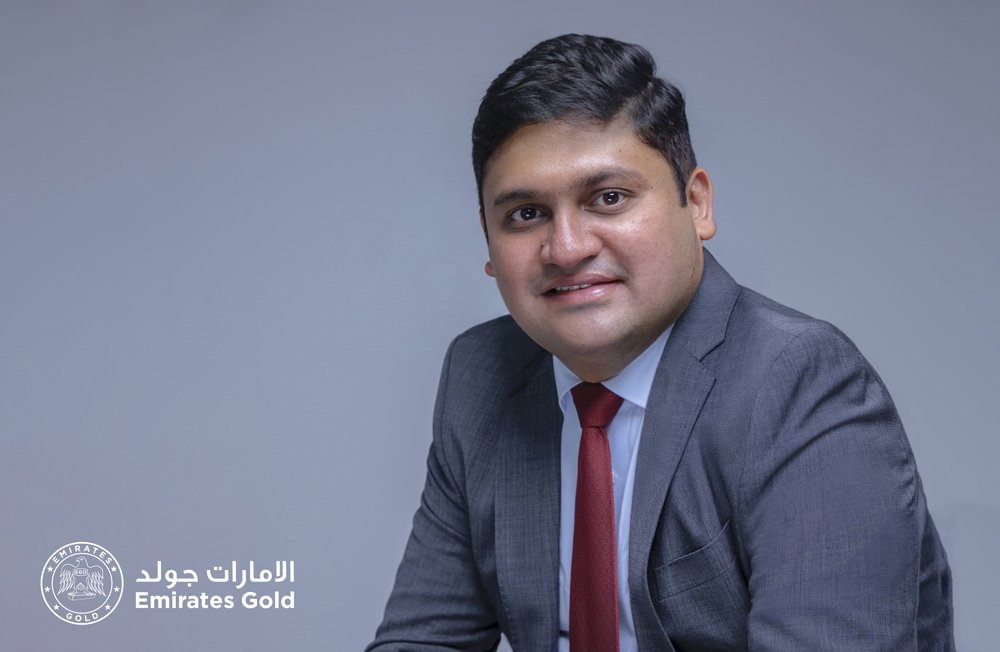
Abhijit Shah, Chief Executive Officer of Emirates Gold, said: “The season ahead is one of the most
meaningful times of the year for gold and silver in this region. It is when families celebrate, when gifts
are chosen with care, and when many people make some of their most considered precious metals
purchases. Our commitment is to make sure that every one of those purchases can be made with
complete confidence, that whatever a customer chooses, from a half-gram coin to a one-kilogram bar, it

is certified, trusted, and refined to the highest standard. That is what turns a seasonal gift into
something that lasts.”
As the season of celebration continues, Emirates Gold remains focused on making certified gold and
silver as accessible as it is trusted, pairing decades of refinery heritage with a growing range of products
designed for a new and diverse generation of buyers. For gifting, for keeping, or for building long-term
value, the company continues to place certified precious metals at the centre of the moments that
matter most.

Sharjah , September 27, 2026 : The Sharjah Publishing Sustainability Fund (Onshur) has launched its “Launch” track, with 25
aspiring publishers selected from 122 applicants for a professional development programme
focused on building and growing sustainable publishing businesses.
Held at the Sharjah Book Authority (SBA) headquarters, the four-day programme runs through
October 18 and combines publishing industry knowledge with practical business training.
Participants will learn how to navigate key decisions facing new publishers, from balancing
content quality and production costs to reaching readers and developing viable business plans.
A sustainable publishing industry
Ahmed bin Rakkad Al Ameri, CEO of the SBA, said: “The sustainability of the publishing
industry starts with investing in the people who lead it and equipping a new generation of
publishers with the knowledge and tools to build businesses that can grow and endure. The
industry’s development depends on publishing houses that understand content, markets and
readers, and can build business models that adapt to changes in the sector while introducing
new experiences and voices.”
He added: “This approach stems from the vision of His Highness Sheikh Dr. Sultan bin
Mohammed Al Qasimi, Supreme Council Member and Ruler of Sharjah, who has placed books
and knowledge at the centre of Sharjah’s cultural project. Building on this vision, Her Highness

Sheikha Bodour bint Sultan Al Qasimi, Chairperson of SBA, has developed initiatives that
respond to the needs of publishers and support the industry’s long-term development. Onshur
advances this work by supporting publishing businesses at different stages, giving founders the
knowledge and tools to turn their ideas into viable businesses that can grow, compete and
reach readers.”
New expertise in publishing
Commenting on the launch of the track, Iman Ben Chaibah, Director of Strategic Initiatives and
Global Markets at SBA, said: “A sustainable publishing business depends on its founder’s ability
to combine quality content with an understanding of the market and sound management of
resources. Guided by the vision and directives of Her Highness Sheikha Bodour bint Sultan Al
Qasimi, Chairperson of the SBA, the Launch track equips aspiring publishers with the
knowledge and experience to put these fundamentals into practice, navigate the challenges of
starting a publishing business and bring new expertise and greater diversity to the industry.”
Establishing a publishing business
Participants began with the foundations of publishing, covering publishing models, the book
lifecycle and key stages of publishing, from defining a publishing house’s identity and areas of
focus to selecting titles and developing and editing content. The opening sessions also
introduced business planning, business models and project pitches, giving participants a
practical overview of both the publishing process and the business behind it.
Rashid Al Kous, Executive Director of the Emirates Publishers Association, led a session on the
association and its “Manassah” platform, explaining how they support publishers through
industry connections, resources and services.
Upcoming sessions will focus on the legal and commercial aspects of publishing, including
copyright, contracts, rights acquisition and sales, and related revenues. Participants will also
learn how to develop a visual identity and brand, build a presence across digital platforms, and
present their businesses and publications to their target audiences.
Reaching readers
The track introduces participants to book production options, including conventional and digital
printing, as well as print-on-demand, and how to determine publication specifications and print
quantities while managing production costs. A field visit to Lightning Source Sharjah, a large-
scale print-on-demand facility, will give participants practical insight into the production process
and how these decisions are applied in a commercial publishing environment.
The programme also covers the practical steps involved in getting books to readers, including
distribution through bookstores and other retail outlets, working with e-commerce platforms,
setting up an online store, and managing inventory, shipping and order fulfilment. Participants
will also learn about company licensing, book permits and ISBNs, and visit Sharjah Publishing
City to explore its office, licensing and storage services.
Digital publishing and AI

Upcoming sessions will explore digital publishing models, including e-books, audiobooks and
the platforms used to publish them. Participants will learn how to manage revenues from digital
formats and adapt to changing reader behaviour, helping them identify publishing and
distribution options suited to their titles and target audiences.
The programme will also explore the use of artificial intelligence in editing, content
enhancement, and translation, as well as in developing social media content and editorial plans,
and in drafting contracts and commercial proposals. Participants will also examine intellectual
property rights related to AI-generated content and the legal and commercial considerations
surrounding its use.
Managing growth and sustainability
The track dedicates a core part of the training to financial management, helping participants
understand the relationship between publishing costs and revenues and plan their finances from
the outset. Topics include managing income, expenses, invoices and tax obligations, as well as
pricing books, analysing profit margins and setting distribution discounts. The training is
designed to help participants make informed financial decisions based on their operating costs
and business needs.
The programme concludes with training on presenting publishing projects and developing
pitches that clearly set out participants’ business models and what distinguishes them.
Participants will also prepare for questions from panels and relevant organisations, helping them
articulate their business concept, its value and their plan for operating in the publishing market.

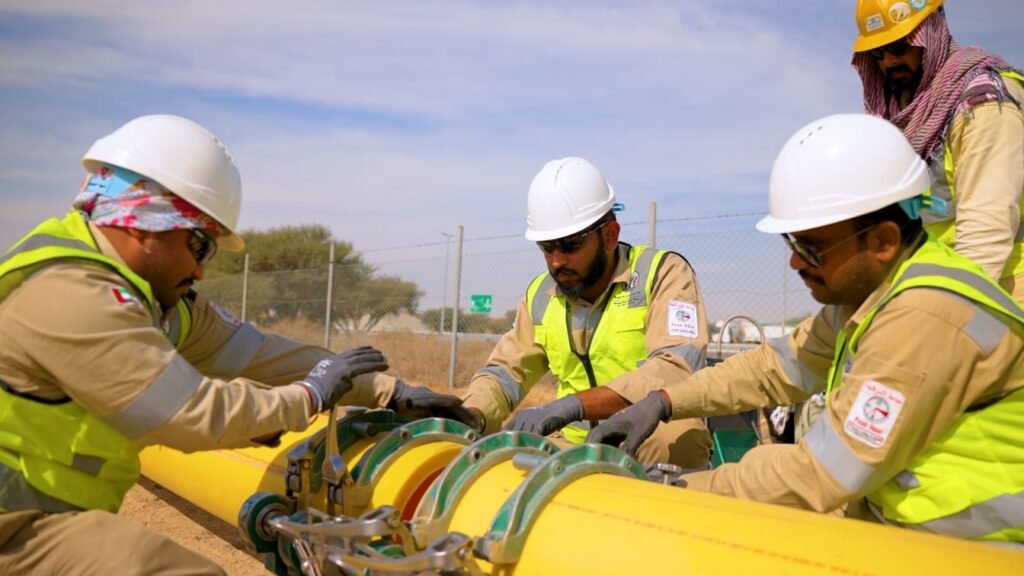
Sharjah, September 27 , 2026 : Sharjah Electricity, Water and Gas Authority (SEWA) announced that it is continuing efforts to implement and complete natural gas network projects in the Central Region.

These projects are designed to meet the growing needs of local residents, upgrade service quality across the residential, commercial, and industrial sectors, and deliver safe, sustainable, and affordable energy that enhances overall quality of life.

To support this, SEWA is currently rolling out four major projects to expand and modernize the natural gas network in the Central Region, with a total investment of over AED18.838 million.

Engineer Ibrahim Al Balghouni, Director of the Natural Gas Department at SEWA, explained that the natural gas network expansion plan in the Central Region includes the second phase of the main Al Bataeh gas pipeline extension to reach Al Dhaid and complete the loop around Tal Al Zaafaran neighbourhood.

The 27-kilometre project, valued at AED7.73 million, has reached 70% completion and is expected to be completed in November 2026.

He added that projects implemented by SEWA since the beginning of this year include the development of the natural gas network in Al Dhaid City, covering Jebel Omar and Tal Al Zaafaran neighbourhoods. The project, valued at AED 5.25 million, spans 63,574 metres and will benefit 286 buildings in Tal Al Zaafaran and 164 buildings in Jebel Omar.

Al Balghouni said SEWA will begin implementing a project to develop the gas network in Al Dhaid City’s Al Hisn 1 area at a cost of AED 3.158 million and over a length of 30.3 kilometres.

No-objection certificates are currently being obtained from the relevant authorities ahead of implementation, with the project expected to be fully completed by the end of June 2027.

SEWA will also begin developing the gas network in Al Dhaid’s Al Sweih area at a cost of AED2.7 million. The project will extend over 27 kilometres and is expected to be completed by the end of July 2027.

Expansion supports clean and cost-effective energy

Al Balghouni noted that expanding the natural gas network in the Central Region represents a key step in SEWA’s comprehensive strategy to provide clean and cost-effective energy to residents across the Emirate of Sharjah.

He added that SEWA teams continue to work intensively in cooperation with various government entities to ensure the projects are completed efficiently and promptly.

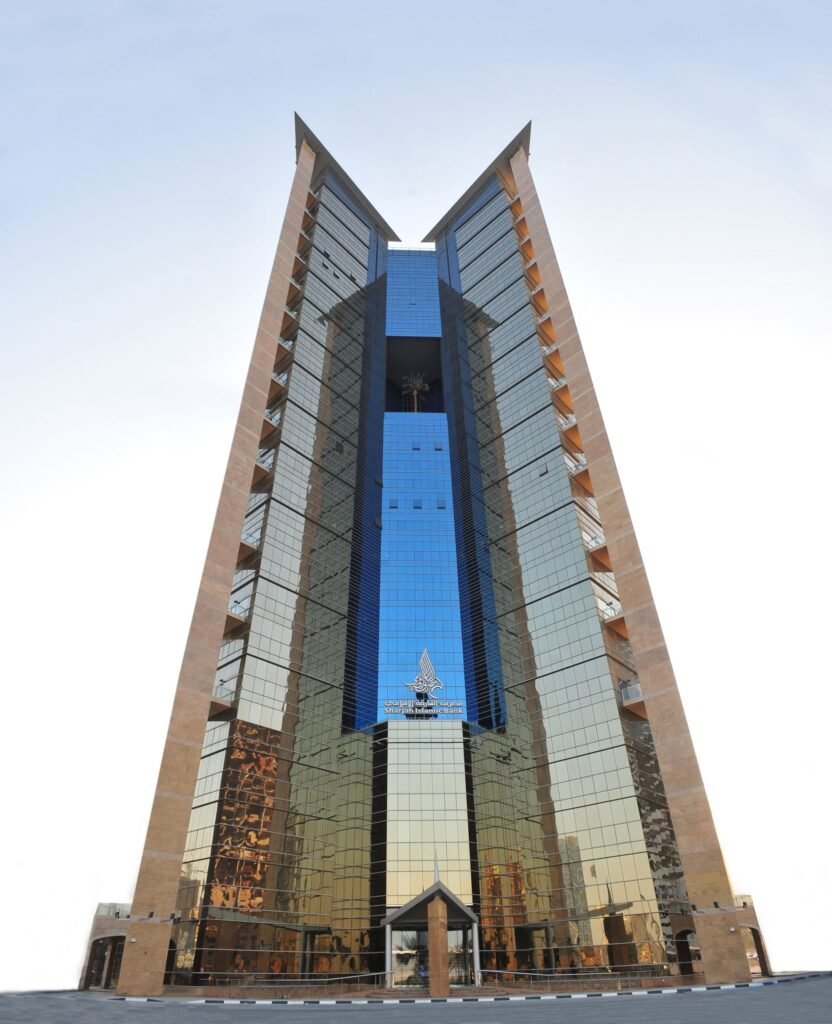
Dubai , September 27 , 2026 : Sharjah Islamic Bank (SIB) has successfully issued a US$500 million five-year Sukuk amid strong investor demand.

The issuance attracted an order book of US$1.3 billion, representing 2.6 times the issue size.

The Sukuk was priced at a final yield of 5.85 percent, equivalent to a spread of 105 bps over five-year US Treasuries, marking SIB’s thirteenth Sukuk issuance since it entered the capital markets in 2006, reaffirming its continued presence in international Sukuk markets and its experience in executing successful issuances across different market cycles.

Mohamed Abdalla, CEO of Sharjah Islamic Bank, said the successful issuance reflects investor confidence in the bank’s financial performance and long-term strategy.

He noted that capital market activities are a key component of SIB’s funding strategy, supporting its financing plans and strengthening its ability to achieve sustainable growth.

“We continue to build on SIB’s presence in international capital markets, supported by solid financial fundamentals and a disciplined approach to balance sheet and liquidity management. This strengthens our ability to achieve sustainable growth and maintain our position as a trusted issuer in international Sukuk markets,” he added.

Ahmed Saad, Deputy CEO of Sharjah Islamic Bank, said the US$1.3 billion order book, representing 2.6 times the issue size, reflects strong investor demand for the issuance and confirms investors’ confidence in the bank and its ability to execute successful issuances in international capital markets.

He added that the successful issuance strengthens the bank’s flexibility in managing its funding needs and diversifying its sources of liquidity, supporting its long-term growth plans.

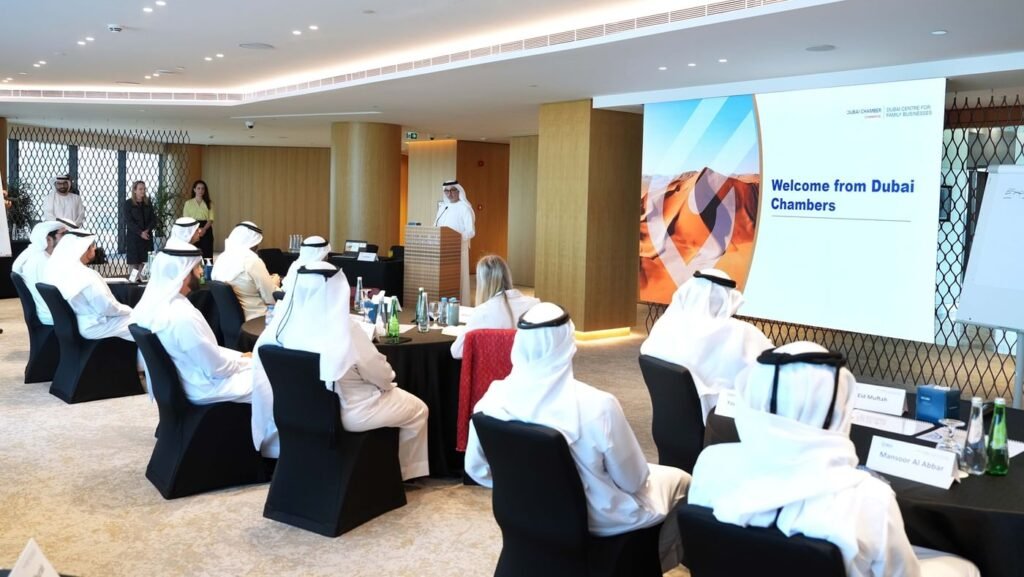
Dubai , September 27 , 2026 : The Dubai Centre for Family Businesses, operating under the umbrella of Dubai Chambers, has launched The World of Directorship – Certificate in Board Directorship, a specialised professional training programme designed to strengthen the capabilities of board members and enhance governance practices in line with leading professional and institutional standards.

Delivered in partnership with the GCC Board Directors Institute (GCC BDI), the programme will be delivered to 27 participants, providing them with a valuable opportunity to strengthen their leadership capabilities and develop their knowledge and skills, while enhancing their effectiveness as board members in line with the highest standards of management excellence and international best practices.

The programme comprises four interactive modules followed by an assessment. The modules cover Corporate Governance Essentials, The Effective Director, The Effective Board, and Board Finance, Accounting, and Corporate Reporting.

Together, they address the core knowledge and awareness required to function effectively as a director, including corporate governance; directors’ roles, responsibilities, and legal duties; board structure and effectiveness; strategy and risk; ethics; and accounting, finance, and corporate reporting.

Mohammad Ali Rashed Lootah, President and CEO of Dubai Chambers, commented, “Effective governance and forward-looking board leadership are fundamental to strengthening the sustainability of family businesses and their ability to grow and adapt to change. We are committed to empowering family business leaders to develop their management and leadership capabilities, while strengthening corporate governance practices that support business continuity, reinforce sound decision-making, and contribute to sustainable success for current and future generations.”

John Gollifer, CEO, GCC Board Directors Institute, said, “Effective boards play a vital role in supporting the long-term sustainability, growth, and resilience of family businesses. Through this programme, we are pleased to work with the Dubai Centre for Family Businesses to strengthen the capabilities of current and aspiring directors and support the adoption of leading governance practices. Based on GCC BDI’s Framework for Board Effectiveness, the programme provides participants with the knowledge and practical insights required to fulfil their responsibilities effectively, enhance board performance, and contribute to sustainable success for current and future generations.”

Participants who successfully complete the programme’s four modules and assessment are awarded the Certified Director professional designation by GCC BDI.

The programme is based on GCC BDI’s Framework for Board Effectiveness, which provides a structured foundation for developing the capabilities required to apply sound governance practices and fulfil board responsibilities efficiently and effectively.

The programme contributes to developing participants’ skills and strengthening their practical and management capabilities, enabling them to perform their leadership roles effectively and support the long-term sustainability of their businesses.

It also enables participants to benchmark their knowledge against recognised standards for sound governance practices, reflecting their commitment to continuous professional development and enhancing their readiness to keep pace with rapid changes in the global business environment.

Dubai , September 27 , 2026 : Abdullah bin Mohammed Al Muwaiji, Chairman of the Board of Directors of the Ajman Chamber, launched the Chamber’s newly redesigned website, with the aim of enhancing customer experience through a clearer, more organised interface, easily accessible content, and a smart assistant that facilitates quick and efficient access to services and information.

The launch event, held at the Thara Entrepreneurship Centre, was attended by Sheikh Sultan bin Saqr Al Nuaimi, Vice Chairman of the Board of Directors, along with members of the Board of Directors.

The redesigned website provides an integrated and interconnected digital platform for the Chamber members, the business community, the investors, and the exporters.

It offers seamless access to e-services, information, investment opportunities, economic reports, initiatives, and events, ensuring a smooth user experience and digital accessibility across various devices.

Al Muwaiji emphasised that the website’s development reflects the Chamber’s commitment to aligning with Ajman’s vision and its direction toward building a more competitive and sustainable economy.

Fatima Abdulrazzaq Al-Awadhi, Director of the Information Technology Department, provided an overview of the key qualitative upgrades on the website.

The enhancements included re-engineering the user experience (UX), developing a flexible digital infrastructure for content and service management, and enhancing search capabilities and access to information, alongside deploying a smart assistant to provide a faster and more interactive experience for customers.

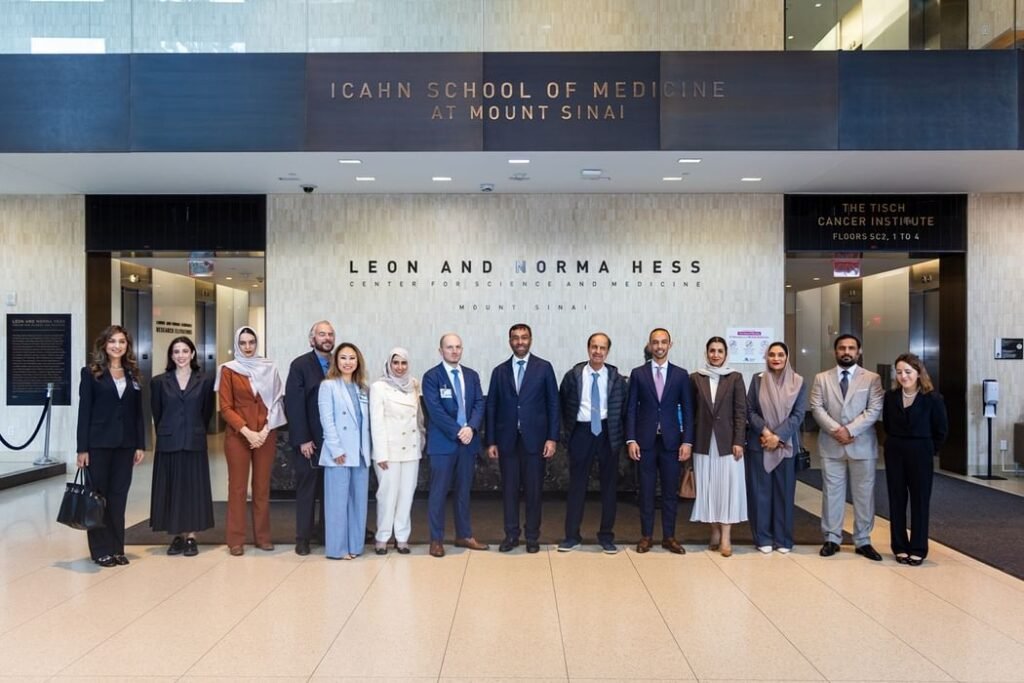
Dubai , September 27 , 2026 : Ahmed bin Ali Al Sayegh, Minister of Health and Prevention, led a UAE delegation on visits to leading healthcare, research and academic institutions in Boston and New York to explore strategic partnerships in future medicine, research and innovation.

Priority areas included genomic medicine, early disease detection, artificial intelligence (AI), digital health, rare diseases and specialised care, alongside the development of healthcare professionals and capabilities.

The delegation included representatives of Emirates Health Services (EHS) and the Department of Health – Abu Dhabi (DoH).

The visit took place on the sidelines of the 81st session of the United Nations General Assembly.

Al Sayegh said the UAE continues to expand its international healthcare partnerships to strengthen knowledge exchange and accelerate the adoption of scientific and technological advances.

He said the United States is an important partner for the UAE in healthcare, research and innovation, with further cooperation expected to support joint research and training programmes and translate advances in medical science into practical applications in prevention, early detection and patient care.

In Boston, the delegation discussed with Dana-Farber Cancer Institute the development of an early cancer detection pathway using genomic testing, covering risk assessment, genetic counselling, follow-up and referral to treatment services, alongside training for physicians and patient care coordinators.

At Boston Children’s Hospital, talks focused on expanding cooperation in diagnosing and treating rare and complex paediatric diseases, developing centres of excellence, visiting-physician programmes, training and scientific research.

Discussions also covered care pathways for newborns with positive genetic screening results, from confirmatory testing and specialist assessment to treatment, as well as continued cooperation in AI and scientific research.

With Mass General Brigham, the delegation explored cooperation in digital health, AI, research, innovation and training, as well as its expertise in integrated care and centres specialising in cardiology, neuroscience and cancer.

Al Sayegh also reviewed priorities related to sustainable healthcare financing, developing a unified public health system and strengthening emergency preparedness and response. A Ministry of Health and Prevention delegation also met with a vice dean at Harvard T.H. Chan School of Public Health.

In New York, the delegation discussed physician exchanges, training, research and innovation with NewYork-Presbyterian and reviewed its expertise in paediatric cardiology, organ transplantation and gene therapy.

At The Mount Sinai Hospital, the delegation was briefed on oncology services and proton therapy facilities and explored research cooperation and the development of centres of excellence, including in immunotherapy.

During a meeting organised by the U.S.-U.A.E. Business Council, Al Sayegh and Saeed bin Mubarak Al Hajeri, Minister of State and Chairman of the Board of Directors of the Emirates Drug Establishment, discussed opportunities to expand healthcare cooperation.

The delegation also met representatives of Children’s Hospital of Philadelphia, Cedars-Sinai, Penn Medicine and Johnson & Johnson.

Al Sayegh directed officials to explore developing a healthcare leadership training programme in cooperation with Johns Hopkins to strengthen investment in healthcare professionals and future leaders.

Separately, the EHS delegation met Northwell Health to discuss cooperation in neuroscience, cardiology, medical devices for neurological conditions, digital health and AI.

At NYU Langone Health, the delegation toured facilities and centres of excellence and discussed continuing cooperation through a visiting-physician programme.

EHS will follow up with the institutions visited to translate the identified areas of cooperation into action plans setting out priorities, responsibilities and implementation phases.

Dubai , September 27 , 2026 : In line with the directives of the wise leadership to accelerate the
adoption of autonomous mobility technologies and strengthen Dubai's
readiness for future mobility solutions, Dubai's Roads and Transport
Authority (RTA), in collaboration with the Dubai Integrated Economic
Zones Authority (DIEZ), has inaugurated Dubai Mobility Labs — the
smartest integrated ground-testing of its kind in the Middle East,
dedicated to testing autonomous and future mobility technologies.
The project reflects the leadership's vision to position Dubai as a global
hub for developing, testing and certifying the latest mobility systems,
while providing a pioneering environment that attracts companies,
developers, research institutions and specialised talent. It also
contributes to accelerating the transition of innovative technologies from
development and testing to real-world and commercial deployment.
Dubai Mobility Labs supports the objectives of the Dubai Smart Self-
Driving Transport Strategy, which aims to convert 25% of all mobility
journeys in the emirate into autonomous trips by 2030. The project
marks a strategic step towards reinforcing Dubai's global leadership in
future mobility and building a safer, smarter and more sustainable
mobility ecosystem — one that enhances quality of life and strengthens
the emirate's competitiveness and future readiness.
Integrated Testing Ecosystem
The Dubai Mobility Labs is in Dubai Silicon Oasis, the specialised
economic zone for Knowledge & Innovation under DIEZ. The facility
combines dedicated test tracks with a multi-purpose area that provides a
controlled environment simulating a wide range of traffic scenarios,
alongside real-world testing on public roads extending from Dubai
Silicon Oasis to Al Qudra.
This integration allows autonomous vehicles to be assessed under
diverse operating conditions and their ability to respond to changing
traffic and environmental conditions to be tested against the highest
standards of safety and reliability. It provides a comprehensive
ecosystem for testing, validation and certification, helping accelerate
technology development ahead of deployment on the road network.
The testing ecosystem encompasses 248 test scenarios across
controlled environments and public roads. The multi-purpose area alone
supports 195 scenarios: 143 built into its core design and a further 52
added through design enhancements that raised the proving ground's
readiness and efficiency and broadened the range of operational
scenarios it can simulate.
These scenarios cover a wide range of traffic situations encountered by
autonomous vehicles in urban environments, enabling the assessment
of sensing and decision-making systems, interactions with road users,
and responses to changing surrounding conditions. They also allow
vehicle readiness to be verified before vehicles progress to testing and
operation on public roads.
The multi-purpose area includes a variety of test tracks and traffic
features, alongside office and support facilities. It also houses three
supporting light-industrial units equipped for operations and indoor
installations, as well as three 60 kW electric vehicle chargers — meeting
the technical and operational requirements of companies and entities
taking part in testing activities.
Infrastructure for the Future
His Excellency Mattar Al Tayer, Director General, Chairman of the Board
of Executive Directors, Roads and Transport Authority (RTA), said: “The
inauguration of Dubai Mobility Labs is a practical manifestation of the
directives of the wise leadership to reinforce Dubai's leadership in
developing and adopting future technologies and consolidate its position
as a global model for smart and autonomous mobility. As the smartest
integrated ground-testing of its kind in the region, the project provides
strategic infrastructure for testing the latest mobility technologies and
systems in controlled and real-world environments, and for verifying their
safety, efficiency and readiness before deployment on public roads.”
He added: “Dubai Mobility Labs is one of the key pillars supporting
Dubai Smart Self-Driving Transport Strategy, which aims to convert 25%
of all mobility journeys in the emirate into autonomous trips by 2030. It
offers an integrated pathway for developing, testing, validating and
certifying technologies, helping accelerate a safe, orderly transition from
trials to real-world and commercial deployment, while supporting the
readiness of Dubai's infrastructure and its regulatory and technical
ecosystem to accommodate next-generation mobility solutions.”
Al Tayer stressed that the project's strategic importance extends well
beyond establishing a specialised ground-testing: it is about building an
integrated global ecosystem for innovation and development that brings
together vehicle manufacturers, technology developers, start-ups,
research institutions and regulatory authorities. The project will help
position Dubai as a global hub for testing the latest mobility systems and
as a preferred international destination for companies seeking to
develop, test and launch their technologies from Dubai into regional and
global markets.
It will also help attract investment, specialised talent and expertise,
strengthen the knowledge- and innovation-based economy, and
reinforce Dubai's position as an open urban laboratory for designing,
developing and deploying the future of mobility.
Al Tayer explained that integrating controlled testing environments with
operational trials on public roads gives companies and developers the
ability to evaluate their technologies under diverse, real-world conditions,
raises the reliability of test results, and speeds up development and
certification. This, in turn, supports safer, smarter and more sustainable
mobility solutions, a more efficient transport system, smoother traffic
flow, and a better quality of life for residents and visitors.
Innovation-Driven Economy
His Excellency Dr Mohammed Al Zarooni, Executive Chairman of the
Dubai Integrated Economic Zones Authority (DIEZ), said: “Dubai Mobility
Labs embodies the objectives of the Dubai Economic Agenda D33,
which aims to build a globally competitive, knowledge- and innovation-
driven economy and strengthen Dubai’s position as a hub for industries
shaping the future, by providing an integrated environment that enables
global innovators to develop and test autonomous mobility
technologies.”
He added: “Through initiatives of this kind, the Dubai Integrated
Economic Zones Authority continues to support the growth of future
sectors, attract global investment and talent, and strengthen a
knowledge- and innovation-driven economic ecosystem. Dubai Silicon
Oasis provides an integrated environment for developing and testing
advanced technological solutions, supported by smart infrastructure and
a comprehensive ecosystem that helps accelerate the development of
autonomous mobility technologies and their transition from testing to
deployment and operation.”
Real-World Testing
The Dubai Mobility Labs has hosted successful trials of autonomous
driving technologies and vehicles developed by global companies,
including WeRide, Pony.ai and Tesla — demonstrating the readiness of
its facilities to accommodate a wide range of future mobility technologies
and to accelerate their assessment and validation ahead of safe
operation on Dubai's road network.
RTA appointed DEKRA to operate the Dubai Mobility Labs for the first
three years, with responsibility for managing day-to-day operations,
organising testing, overseeing the facilities, and ensuring compliance
with international safety standards and operational best practices. This
strengthens the reliability of test results and reinforces the Labs'
international standing.
Dubai Mobility Labs also opens new avenues for partnership between
government entities, the private sector, and academic and research
institutions. It provides an ecosystem that supports innovation,
development, investment and commercial application — helping position
Dubai as a global hub for future mobility testing, an international
reference point for testing and certifying autonomous mobility
technologies, and a platform from which the latest solutions can be
launched to cities across the region and the world.