All

5,000 health kits sponsored by Keeta

Dubai, August 7, 2026: Dubai’s Roads and Transport Authority (RTA) has launched the
‘Safe and Healthy Summer for Delivery Riders’ campaign in
collaboration with Keeta, as part of its ongoing efforts to enhance
traffic safety, protect delivery-sector workers during the summer
months, and promote a culture of prevention against heat-related
risks.
Ahmed Al Khzaimy, Director of Traffic at RTA’s Traffic and Roads
Agency, said: “The campaign forms part of RTA’s strategy to
provide delivery riders with a safer and more sustainable working
environment, recognising their vital role in supporting Dubai’s
economy and logistics services. It is also being implemented under
the ‘Summer Without Accidents’ initiative, in collaboration with the
Ministry of Interior.
“RTA delivers a year-round awareness programme for delivery
riders, combining field campaigns with guidance activities at
worksites and company premises. In 2025, RTA carried out more
than 120 field awareness activities, benefiting over 17,000 riders.
Awareness messages delivered through media and social media
channels also reached more than 50,000 riders. These efforts
contributed to reducing fatalities involving delivery motorcycles from
35 in 2024 to 33 in 2025, despite continued growth in the number of
companies and riders operating in the sector.
“RTA is committed to enhancing the safety and health of delivery
riders, particularly during the peak summer months, when outdoor
workers face added risks from heat and humidity. Through the
campaign, RTA raises awareness of preventive measures and
encourages riders to adopt healthy practices and safe riding
behaviours, helping protect them and other road users.
“Heat exhaustion and heatstroke are among the most serious health
risks faced by those working in hot weather. Even a 2% loss of body
fluids may affect concentration, reaction speed and the ability to
make sound decisions while riding, according to the World Health
Organisation.
“The campaign, which runs throughout August, offers an integrated
programme combining traffic awareness and health education. It
includes the distribution of 5,000 health kits containing medical and
protective supplies, along with a hand fan and cooling towel to help
prevent heat exhaustion and heatstroke. The campaign also
includes health screenings and awareness consultations in
cooperation with partners.
“Direct exposure to high temperatures can cause the body to lose
large amounts of fluids and salts, increasing the risk of heat
exhaustion and affecting concentration and reaction speed while
riding. Riders are therefore urged to drink water regularly, take
sufficient rest breaks, and use appropriate protective equipment.
“Our collaboration with the private sector on such initiatives
reinforces corporate social responsibility and strengthens
partnerships across the wider community. We value the support of
Keeta, along with the contributions of Gulf Pharmaceutical Industries
(Julphar) and Protectol Health in providing health and protective
supplies, helping advance the campaign’s community and
humanitarian objectives.
“RTA continues to deliver year-round awareness programmes for
motorcycle delivery riders, targeting more than 70,000 delivery
riders in Dubai. This reflects RTA’s belief in the importance of
investing in traffic and health awareness to reduce accidents,
improve quality of life, and reinforce Dubai’s standing as a leading
city in providing a safe and sustainable transport system, particularly
amid the rapid growth of the delivery sector in the emirate.”
Community Responsibility
Colin Xu, Head of Logistics Operations at Keeta UAE, said: "At
Keeta, we believe that supporting delivery riders is a fundamental
part of our responsibility to the communities we serve. We are proud
to be part of this initiative led by Dubai's Roads and Transport
Authority (RTA), which highlights the value of strong public-private
collaboration in advancing the health, safety, and wellbeing of
delivery riders, particularly during the summer months. Our
contribution reflects Keeta's ongoing efforts to support riders with
practical initiatives that help them work more safely and comfortably,
while contributing to a more resilient, sustainable, and responsible
delivery ecosystem in Dubai."

Dubai , August 5 , 2026 : The UAE’s US$3.4 billion (Dh12.47 billion) investment into India’s western Gujarat state has inspired the 300,000-strong Non-Resident Gujarati community members in the UAE to strengthen their network by creating Gujarati Samaj and Vyapar Junction – to community and business-focussed groups in the UAE – that plan to help strengthen economic relations.

Gujarat is a highly industrialised state in India, driven by manufacturing, high exports, and robust cargo handling. The Gross State Domestic Product (GSDP) stands above In ₹24.6 trillion US$260 billion), with per capita income crossing ₹300,000, positioning the region as a primary economic powerhouse in the country.

Dubai’s DP World is investing US$3 billion in the state’s ports, free zones and logistics to create a new economic gateway for India that will help the Indian economy grow faster. Last month, Lulu Group announced a IN₹40 billion (US$400 million) investment to develop a large shopping mall, a five-star hotel and serviced apartments in the state to cater to a growing urban population seeking a better retail experience.

Abdulla bin Touq Al Marri, UAE Minister of Economy and Tourism, said, the state boasts an integrated ecosystem encompassing ports, industry, food processing, renewable energy, logistics, and entrepreneurship.

“Gujarat serves as a crucial focal point for the next phase of the UAE-India Economic Corridor, offering promising opportunities to strengthen cooperation in resilient supply chains, advanced manufacturing, food security, financial services, and tourism,” he said.

The total number of Indian companies operating in the UAE reached 290,222 by the end of H1 2026, reflecting a 16.7 per cent growth compared to the same period in 2025, many of them are owned by members of the Gujarati community.

Yusuff Ali M.A., Chairman, Lulu Group, said, “We have announced a IN₹40 billion (Dh1.53 billion) investment project to come up with a modern shopping mall, 5-star hotel and furnished residential​ apartments in an area of nearly 21 acres of land that we recently acquired in Ahmedabad. The project is expected to provide more than 15,000 jobs to residents of the state. In addition to this, we are also initiating a Food Park and planning a Fish-processing plant.”

Gujarati Samaj UAE is a not-for-profit community organisation that brings together more than 300,000 Gujarati community members of the Indian community residing across the UAE. It is dedicated to serving the community through social, professional, and cultural initiatives. The organization was established in 2022 with an initial membership of 16 individuals. Since then, it has experienced remarkable growth and, as of 2026, has expanded to a vibrant community of more than 28,000 members.

The primary objectives of Gujarati Samaj UAE are to support community members during challenging times by providing guidance and assistance in dealing with various government-related matters; to help individuals secure suitable employment opportunities; to promote social unity by celebrating Indian and UAE national festivals and cultural events and to strengthen community networking and foster mutual support among members.

Priteesh Patel, Founder of Gujarati Samaj in the UAE and Chairman of Akshar Holdings, says, “Gujarati’s are a vibrant and resourceful community in the UAE. As the economic relationship between the UAE and the state of Gujarat strengthens, we are also gearing up to realign our resources to enhance the socio-economic relationship by promoting trade, investment and employment.

“The Gujarati community has been part of the UAE society and economy for a long time. We have invested significant resources in the UAE and we plan to do more. Similarly, we also plan to invest in Gujarat – along with UAE investors​ in industrial development, logistics, start-ups and fintechs.

Our community can play a large role in helping both the economies. We would also like to collaborate with the Government of Gujarat in organising investment conferences and exhibitions.”

Approximately 60 per cent of Gujaratis in the UAE are business owners, representing a diverse range of industries and contributing significantly to the UAE’s economic growth. In addition to entrepreneurs, a large number of Gujarati professionals hold key positions in leading multinational corporations, government entities, and private organizations across the UAE.

Gujarati Samaj UAE aims to expand its membership to over 100,000 members in the coming years, creating one of the strongest and most connected Indian community organizations in the region. It is actively working to strengthen trade and business relations between India and the UAE. Its strategic initiatives include: Promoting bilateral trade across multiple sectors; Facilitating business opportunities between Indian and UAE companies; Creating greater employment opportunities for Gujaratis seeking careers in the UAE.

Its business networking platform Vyapar Junction UAE is helping business connectivity. Vyapar Junction UAE, is a place where entrepreneurs, business owners, and professionals meet to exchange ideas, build relationships, and explore new business opportunities.Gujarati Samaj UAE is launching its official mobile application, which is expected to become a comprehensive digital platform for the community. The app will provide: community updates and​ announcements; business and professional networking; access to government-related information and resources; employment opportunities.

The application is designed to become the central hub for information, networking, and community engagement for Gujarati’s throughout the Emirates.

Abu Dhabi, August 4, 2026: Abu Dhabi Airports is marking a significant milestone in
its network expansion following the recent launch of three direct services by Air India
Express, connecting Zayed International Airport (AUH) with key destinations across along
one of the world’s busiest travel corridors.
Air India Express’ expanded schedule includes newly launched non-stop operations to Navi
Mumbai, Indore and Lucknow. The airline will further strengthen its footprint next month with
the upcoming introduction of direct flights to Guwahati, scheduled to commence on 7
August, offering a direct link to India’s northeastern region. The expansion comes as
passenger demand continues to grow across both business and leisure travel segments.
The additions enhance passenger travel options between the UAE capital and primary urban
hubs across India, reinforcing AUH’s role as a strategic global aviation and tourism gateway
Ahmed Juma Al Shamisi, CEO of Abu Dhabi Airports, said: “The addition of these new
routes by Air India Express underlines our commitment to expanding Zayed International
Airport’s destination network and serving the growing demand between the UAE and India.
By deepening our partnership with leading regional carriers, we continue to enhance choice
for our passengers while supporting Abu Dhabi’s strategic tourism and economic objectives.”
Nipun Aggarwal, Chairman of Air India Express, said: “The UAE is one of Air India
Express’ most important international markets, and Abu Dhabi continues to play a key role in
our growth journey. As we expand our network and induct more aircraft, we are
strengthening connectivity, opening new opportunities for travellers, and offering our guests
greater choice, convenient schedules, modern aircraft and the warmth of Indian hospitality.
Every step in our growth is focused on creating greater value for our guests while
strengthening Air India Express’ position as India’s leading value airline.”

​ 

Dubai​ , August​ 4​,  2026:​ Dubai​’s Roads and Transport Authority (RTA) has implemented
traffic enhancements on Latifa bint Hamdan Street to increase road
capacity and improve traffic flow for road users in the area.
The works included adding a new lane to the service road across
two key sections, with a combined length of 1,000 metres. The first
section extends from the Al Asayel Street intersection to Street 44,
while the second runs from the National Cement Factory to the First
Al Khail Street exit. The works also included the construction of two
new U-turns beneath the intersection of Latifa bint Hamdan Street
and Al Asayel Street.
The improvements on Latifa bint Hamdan Street form part of RTA's
efforts to implement quick and effective traffic solutions at locations
with high traffic volumes. Guided by traffic studies and advanced
technologies, these improvements aim to increase road capacity
and operational efficiency, support smoother traffic flow, and keep
pace with Dubai's urban development and population growth.
The widening works increased the capacity of the service road from
600 to 1,000 vehicles per hour. The construction of two U-turns
beneath the intersection of Latifa bint Hamdan Street and Al Asayel
Street also reduced vehicle queues and lowered traffic congestion
during peak hours by up to 30%.
Latifa bint Hamdan Street is one of Dubai's key corridors, serving
several residential, commercial and industrial areas. It is also
connected to a network of main roads, most notably Al Khail Road
and Al Asayel Street, making it an important route for daily mobility
between different areas of the emirate. RTA reaffirmed its continued
efforts to strengthen Dubai's standing as one of the world's leading
cities for infrastructure quality and easy, sustainable mobility.
RTA recently awarded the contract for the 12-kilometre Latifa bint
Hamdan Street Development Project for AED 2 billion. The project
will create a new strategic corridor that enhances connectivity
between Dubai's most important key arterial roads. It will link Sheikh
Zayed Road with Emirates Road, passing through Al Khail Road, Al
Meydan Street, Sheikh Mohammed bin Zayed Road, and Sheikh
Zayed bin Hamdan Al Nahyan Street. The project includes the
construction of seven bridges totalling 2,300 metres and eight
tunnels totalling 900 metres, improving traffic flow and increasing
the efficiency of the road network.
RTA had earlier completed traffic improvements by converting the
intersection of Latifa bint Hamdan Street and Nad Al Sheba Street
into a single-lane roundabout in each direction, easing traffic flow
and reducing congestion. The traffic solution helped cut delay time
by up to 50% during peak hours, while also improving road safety
for road users.

Abudhabi , August 4 , 2026 : UAE-based real estate developer Burtville Developments has begun handing over units at its Ville 11 residential project in Masdar City, completing the development 14 months ahead of its original schedule.

The project received its Building Completion Certificate from Abu Dhabi’s Department of Municipalities and Transport on July 31, 2026, allowing the developer to commence handovers well before the initially planned completion date of September 30, 2027.

Construction on Ville 11 began in January 2024 and was completed in approximately 30 months. The residential development comprises 111 units, including apartments, duplexes and triplexes.

According to the developer, the early completion reflects its commitment to timely project delivery and sets a new benchmark for its ongoing developments in Abu Dhabi.

Government real estate platform DARI also indicates that Burtville’s other projects are progressing ahead of schedule. In Yas Bay, Bab Al Qasr Residence 25 is 1% ahead of plan, while Bab Al Qasr Residence 31 is 3% ahead. In Masdar City, Bab Al Qasr Resort Residence is 3% ahead, Ville 12 is 4% ahead, and Bab Al Qasr Garden Residence 66 is 4% ahead. At Al Raha Beach, Bab Al Qasr Canal View 22 is leading the portfolio, progressing 13% ahead of schedule.

The developer said its remaining projects continue to advance steadily, in line with its commitment to delivering high-quality developments on time.

“This initiative reinforces India’s most significant step towards simplifying customer on-boarding and reducing repetitive compliance processes,” James Mathew, CEO and Managing Partner, UHY James, says.

August 3, 2026 : The launch of the Central Know Your Customer (CKYC) 2.0 project in India will ease access to financial services and products in India from this month for the world’s largest population and strengthen customer engagement with the financial community in a bigger way.

The project will be rolled out in August 2026 in phases – starting with banks and insurance companies followed by other regulated financial institutions during the year – that will ease opening multiple bank accounts and help customers access banking products and services easily – in the world’s most populous country. Once completed, this could become the world’s largest depository of customer data.

India’s CKYC model could help the UAE banking industry to ease financial services for new customers who often find it difficult to open a bank account due to complex KYC requirements despite the growing banking assets that exceeded Dh5.63 trillion (US$1.53 trillion) in May 2026, growing at 1.1 per cent from Dh5.57 trillion at the end of April 2026, according to data from the Central Bank of the UAE.

More than 5 billion individuals globally possess some form of government-recognised digital identity credential – mostly in the form of identity cards or credit information stored by various authorities. In India, 1.34 billion people possess Aadhaar Card that provides Indian citizen 12-digit identification number.

Worldwide financial inclusion data indicates that approximately 79 per cent of the global adult population—representing over 4 billion account holdersA centralised global KYC eco-system could accelerate the worldwide banking sector as the total value of the global financial system and banking intermediated funds reached US$468 trillion, with specific bank-held balances (deposits, loans, and assets under management) reaching US$406 trillion in recent months. However, more than 1.3 billion people still remain unbanked worldwide including 350 million in India.

There is no single centralised global KYC database, but rather a collection of decentralised compliance systems processing billions of verification records annually. The global KYC verification services market is valued at approximately US$4.41 billion, with electronic KYC (e-KYC) systems conducting over 5.8 billion digital identity validations each year.

India’s Central KYC (CKYC) framework is a centralized system that stores verified customer identity records and provides each customer with a unique KYC identifier. Instead of repeatedly submitting the same documents to different financial institutions, the new CKYC initiative enables customers to complete the KYC process once and ensures authorised entities can access the verified record, with appropriate consent. The framework is managed by CERSAI and is intended to be used across banks, insurance companies, mutual funds, pension funds, and other regulated financial institutions.

“This initiative reinforces India’s most significant step towards simplifying customer on-boarding and reducing repetitive compliance processes,” James Mathew, CEO and Managing Partner, UHY James Chartered Accountants LLC, says.

“One of the key advantages of a centralised KYC model is that it reduces duplication, improves data consistency, and enhances the customer experience, while empowering financial institutions to turn the spotlight on risk assessment and ongoing monitoring rather than repetitive data collection.

“The objective is not to dilute compliance standards, but to make compliance more efficient, consistent, and less repetitive. India’s CKYC framework provides a valuable reference point for how technology and standardisation can simultaneously strengthen regulatory objectives and improve customer experience.”

Businesses face multiple KYC issues in the UAE banking sector that primarily stem from intensified customer due diligence, complex corporate structures, and strict regulatory compliance mandates. Key challenges include sudden compliance account freezes, tracing ultimate beneficial ownership, and adapting to shifting digital verification protocols.

The Central Bank of the UAE has recently signed a technical partnership with Sweden-based NorblocAB to develop a nationwide electronic Know Your Customer (e-KYC) platform, as part of efforts to modernise the country’s financial infrastructure and strengthen financial stability.

“The initiative forms a key component of the central bank’s Financial Infrastructure Transformation (FIT) Programme, which aims to build a more integrated financial ecosystem, enhance operational efficiency and advance digital regulatory frameworks,” the Central Bank of the UAE said in a recent statement.

“The new platform is designed to address inefficiencies linked to duplicated customer due diligence processes, reduce compliance costs and reinforce the competitiveness of the UAE’s financial sector, while supporting a unified national approach to customer verification.”

The e-KYC system will streamline both individual and business verification processes, including KYC and know your business (KYB) requirements, through automated workflows and integration with trusted data sources.

The UAE, despite being one of the world’s most advanced digital economies, continues to rely on repetitive KYC and on-boarding processes at various levels. Banks, regulators, and professional service firms often request similar documentation independently, which often results in multiple submissions of the same information. Further this leads to extended on-boarding timelines and increases operational effort that are key considerations in conversations focused on improving the ease of doing business.

India’s Central KYC model could become a reference point for smarter compliance in the UAE, James Mathew says.

“A more centralised or interoperable KYC framework could help address this challenge. Under such a model, a business would complete KYC once, and authorised institutions could access a secure, verified record with appropriate permissions. This move not only reduces duplication but also preserves risk-based compliance, customer due diligence, and regulatory oversight,” James Mathew says.

The UAE has explored the concept of a centralised KYC infrastructure in the past, but the initiative did not progress to full implementation. As the country’s financial landscape continues to evolve rapidly and regulatory expectations continue to increase, it may be an appropriate time to revisit whether a centralised KYC framework – supported by the UAE’s advanced digital infrastructure and RegTechcapabilities – could further strengthen efficiency across the financial ecosystem.

“The objective is not to dilute compliance standards, but to make compliance more efficient, consistent, and less repetitive. India’s CKYC framework provides a valuable reference point for how technology and standardisation can simultaneously strengthen regulatory objectives and improve customer experience,” he says.

“Further it brings to the fore a broader question:  Is this the right time for UAE to explore curating a centralised KYC framework that enhances efficiency and maintains robust regulatory standards – especially when the country is committed to strengthen its position as a leading global business hub?” he concludes.

Dubai , August 2, 2026 : Dubai.
Dubai Roads and Transport Authority (RTA) announced that public
transport, shared mobility and taxis in Dubai carried around 348.1 million
riders during the first half of 2026, with average daily ridership of nearly
1.9 million.
The figure covers Dubai Metro and Tram, public buses and marine
transport, in addition to taxis and shared mobility services, including app-
based vehicles, hourly rentals and bus-on-demand service. Limousines
carried 5.7 million riders during the same period.
His Excellency Mattar Al Tayer, Director General, Chairman of the Board
of Executive Directors, Roads and Transport Authority, said the indicators
recorded in the first half of this year demonstrate the success of Dubai’s
vision to build a world-class integrated transport ecosystem founded on
sustainability, innovation and integration across different modes of
transport. This supports Dubai’s efforts to make public transport the first
choice for daily mobility among residents and visitors, while advancing the
emirate’s goals to enhance quality of life and consolidate its global
competitiveness.
He added: “This ecosystem is strengthening the confidence of residents
and visitors in public transport and embedding a culture of sustainable
mobility. It had increased the share of trips made by public transport and
shared mobility from 6% in 2006 to 22.3% in 2025, reflecting a continued
shift towards more sustainable and efficient mobility patterns. It also
confirms the success of RTA’s long-term policies and investments in
enhancing quality of life, strengthening Dubai’s competitiveness and
reinforcing its global leadership.”
Advancing Multimodal Integration
Al Tayer said: “RTA is advancing a strategic vision that positions public
transport as the most efficient and sustainable choice for daily mobility,
while cementing Dubai’s standing as a global model for sustainable
mobility. This is being achieved through the continued expansion of
infrastructure projects, improved service efficiency, and stronger
integration across different modes of transport.
“RTA is currently undertaking the Dubai Metro Blue Line project, spanning
30 kilometres and comprising 14 stations. The line will serve nine key
districts with an estimated population of around one million residents, in
line with the Dubai 2040 Urban Master Plan.
“Dubai Metro Gold Line project has also been approved. Extending 42
kilometres and comprising 18 stations, with an estimated cost of AED 34
billion, it will be Dubai’s first fully underground metro line, equivalent to
three times the length of the existing Dubai Metro tunnels. The Gold Line
will connect with the Red and Green Lines of Dubai Metro, as well as
Etihad Rail.
“RTA has also started the phased deployment of 637 new buses of
various sizes, all compliant with Euro 6 European low-emission standards.
The fleet includes 40 electric buses, marking the UAE’s largest and first-
of-its-kind deployment of electric buses. The new buses will expand public
transport coverage across the emirate and support the plan to convert
100% of public transport buses to electric and hydrogen-powered buses
by 2050.
“Looking ahead to the future of mobility, RTA began operating driverless
taxis at the start of this year and is preparing to launch commercial
operations of the Air Taxi by the end of the year, while continuing to
advance the Dubai Loop project.
“Dubai Metro accounted for the largest share of total ridership in the first
half of this year at 39.2%, followed by taxis at 25.5% and public buses at
24.4%. Together, these three modes accounted for around 89% of total
ridership. January recorded the highest ridership, with 73.4 million riders,
while monthly ridership during the other months ranged between 49
million and 66 million.”
Busiest Metro Stations
Dubai Metro, with its Red and Green Lines, carried around 136.5 million
riders during the first half of 2026. BurJuman and Union, the two
interchange stations serving both lines, topped the list of the busiest
stations, with 8.4 million riders at BurJuman Station and 6.5 million at
Union Station.
On the Red Line, Al Rigga Station recorded the highest ridership with 6.4
million riders, followed by Mall of the Emirates Station with 5.2 million, and
Business Bay Station with 5 million.
On the Green Line, Sharaf DG Station ranked first with 4.9 million riders,
followed by Baniyas Square Station with 3.8 million, and Stadium Station
with around 3.7 million.
Dubai Tram carried 3.8 million riders during the first half of this year, while
public buses carried 85.1 million riders. Marine transport services carried
8.1 million riders across all modes. Shared mobility services, comprising
app-based vehicles, hourly rentals and on-demand buses, carried 25.7
million riders, while taxis in Dubai carried 88.9 million riders during the first
half of the year.
An Integrated Mobility Ecosystem
RTA continues to implement its strategic plans through an integrated
ecosystem that strengthens connectivity between public transport and
shared mobility modes, ensuring seamless journeys and improving the
efficiency of Dubai’s transport network.
These plans include the development of roads, Dubai Metro, Dubai Tram,
public buses and marine transport networks, along with first-and last-mile
solutions, pedestrian and cycling networks, and intelligent traffic systems.
Together, these efforts optimise the use of infrastructure and improve
operational efficiency.
They also aim to further increase the contribution of public transport to
Dubai’s wider mobility ecosystem and raise the share of trips made by
public transport and shared mobility to 25% by 2030, in line with the Dubai
2040 Urban Master Plan and the Dubai Economic Agenda D33.

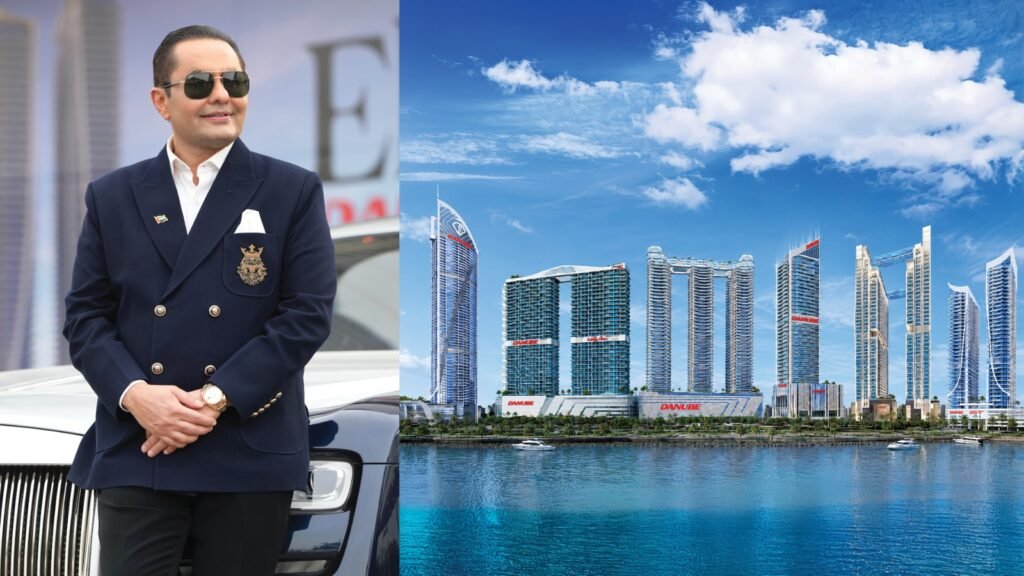
Dubai, ​ July 30, 2026: Danube Properties is set to hand over 11 projects in one year, marking one of the company’s largest delivery milestones and reinforcing its commitment to delivering projects on time and often before time in Dubai’s thriving real estate market.

The upcoming handovers include Elitz 1 & 3 by Danube in Jumeirah Village Circle, Sportzby Danube in Dubai Sports City, Viewz 1 & 2 by Danube in Jumeirah Lakes Towers, Oceanz1, 2 & 3 by Danube in Dubai Maritime City, Fashionz by Danube in Jumeirah Village Triangle, and Oasiz 1 & 2 by Danube in Dubai Silicon Oasis.

Commenting on the milestone, Rizwan Sajan, Founder and Chairman of Danube Group, said: “Over the next 12 months, we are proud to hand over 11 projects, reflecting our commitment to delivering quality developments on time despite the recent regional uncertainty. These handovers represent the trust thousands of families have placed in my company and the incredible city of Dubai.”

Despite recent geopolitical developments in the GCC, which doubled the building material costs, Danube Properties remained committed to delivering every project as promised, supported by Danube Building Materials. “We absorbed the increased cost of procuring construction materials because keeping our promise to customers has always come first,” Sajan added. “Delivering on time is part of our DNA, and we look forward to welcoming thousands of new homeowners to the Danube family in the months ahead.”

With a strong pipeline of project deliveries, Danube Properties continues to contribute to Dubai’s position as one of the world’s leading real estate investment destinations, supported by visionary leadership, sustained economic growth, world-class infrastructure, and a business-friendly environment.

Dubai also offers attractive rental yields compared to many global cities, while eligible property investments provide access to the UAE’s Golden Visa programme, offering long-term residency and enhanced lifestyle opportunities.


D​ubai , July 29 , 2026 :
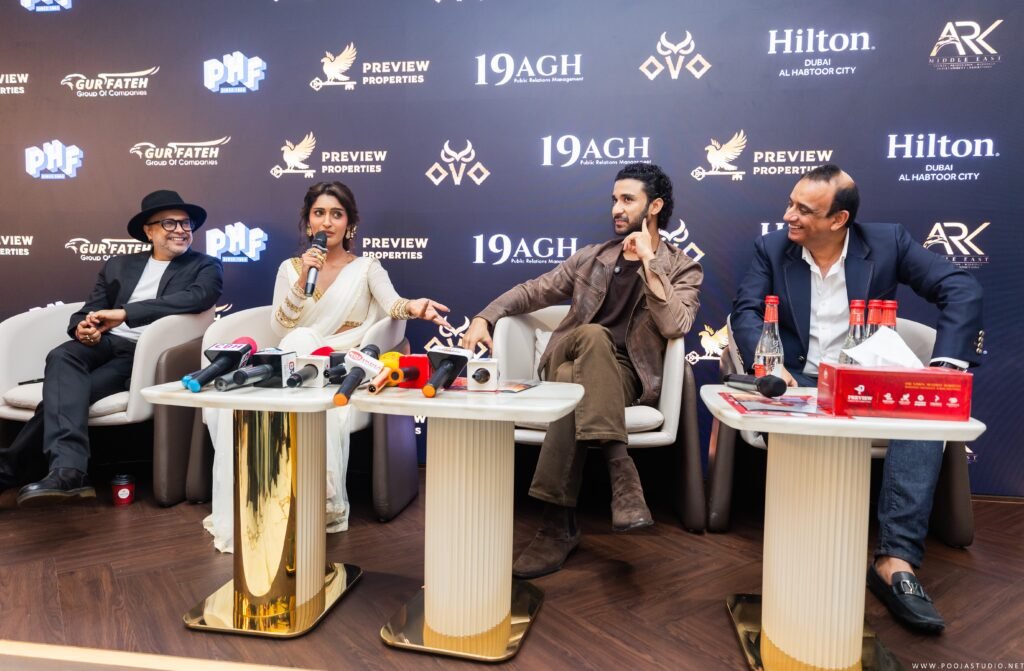
Excitement reached peak levels across Dubai’s media and entertainment hubs as the cast and creators of the highly anticipated comedy film Bhai Tera Star Hai brought their promotional tour to the United Arab Emirates. Spearheaded by lead actor Raghav Juyal,popular actor and content creator Niharika NM, and director Vivek B. Agrawal, the delegation delivered a memorable series of interactions with regional press and local film enthusiasts, setting the stage for the movie’s upcoming theatrical launch.

Looking sharp and magnetic throughout their public appearances, the cast shared insights into the making of a film built around human flaws, ambition, and the sheer unpredictability of a white lie. At the heart of Bhai Tera Star Hai is Ajay Singh, portrayed by Juyal, a young man who firmly believes he is destined for top-tier stardom long before the rest of the world catches on.

When Ajay’s elaborate posturing collides with real-world complications, a single night unfolds into nonstop comic madness, dragging an array of eccentric personalities into his turbulent orbit.

Raghav Juyal’s natural charismatic presence and distinct comedic expressiveness take center stage in the project. Working alongside Niharika NM, whose sharp comedic timing and crossover appeal add fresh vibrancy to the screen, Juyal delivers a performance grounded in energy, heart, and relatable absurdity. The pair’s dynamic with director Vivek B. Agrawal during the Dubai tour reflected the authentic camaraderie and fun that translated directly onto the screen during principal photography.

Behind the lens, Bhai Tera Star Hai brings together a powerful collective of storytelling and production talent. Written by Sudipto Sarkar and Vivek B. Agrawal, the movie balances witty punchlines, memorable musical tracks, and wholesome entertainment designed to appeal to filmgoers of all generations. The production is presented by Eastwood Pictures and co-produced with Indian Stories 2, under the guidance of producers Avantika Hari, Sunil Rupani, and Vivek B. Agrawal.

The project features a sprawling star cast including Sanjay Kapoor, Barkha Singh, Chandan Roy Sanyal, Vikalp Mehta, Vivan Bhatena, Niki Aneja Walia, Parvathy Omanakuttan, Tina Desai, Vineeth Beep Kumar, Naser Al Azzeh, and Dev Agrawal. Each member of this extensive ensemble contributes to the snowballing narrative, ensuring that every scene is packed with laughter. As the promotional team wraps up their Dubai leg and moves into the final stretchbefore release,  Bhai Tera Star Hai promises to be a celebratory, fun-filled cinematic ride for global audiences.

Dubai , July 28 , 2026 : ​ Blockmaze has set a new benchmark in the global tokenisation market by helping power tokenised access to more than 24,000 stocks through Dealing.com, representing exposure to over US$100 trillion in underlying global equity market value.

The milestone comes as leading global financial institutions accelerate efforts to bring traditional financial assets on chain, from treasuries and private credit to money market funds and equities. Tokenisation is gaining momentum as financial markets look to reduce settlement friction, improve transparency, expand access, and make real-world assets programmable.

Through infrastructure provided by Blockmaze, Dealing.com has enabled tokenised access to 24,000+ stocks across 16 global markets, including the NASDAQ, Singapore Exchange, Tokyo Stock Exchange, London Stock Exchange, Hong Kong Exchange and other major jurisdictions. While several tokenised stock platforms are still focused on hundreds of equities, Blockmaze has helped power a far broader infrastructure-led breakthrough.

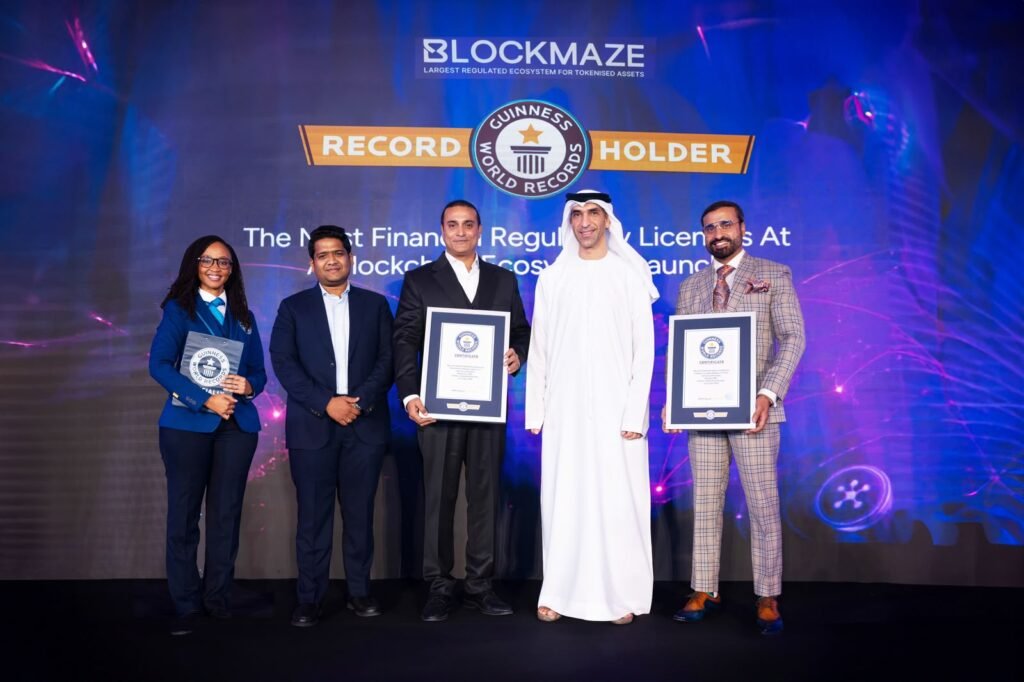
Dealing.com has been awarded the Guinness World Records title for “The Most TokenisedStocks Available for Trading on a Single Platform,” with record verification confirming over 24,000 live, active and publicly available tokenised stocks on the platform. Blockmaze has also received a Guinness World Records title for “The Most Financial Regulatory Licences at a Blockchain Ecosystem Launch,” reinforcing its focus on regulated infrastructure for blockchain-based financial markets.

“Tokenization is not just about putting assets on chain. It is about building the regulatory, technological, and market infrastructure required for real financial assets to move on chain safely. With Blockmaze powering 24,000+ tokenized stocks through Dealing, we are demonstrating that tokenized equities can move beyond pilots and into global-scale market infrastructure,” said Tajinder Virk, Co-Founder & CEO, Blockmaze / Finvasia Group.

The achievement reflects more than a stock count. It highlights the growing importance of regulated infrastructure in tokenised finance, particularly as the market moves beyond experimental products and synthetic price-tracking models.

Many tokenised stock products globally have faced scrutiny over whether users receive only economic exposure or meaningful benefits linked to the underlying equity. Blockmaze aims to address this challenge through infrastructure designed to support tokenised assets connected to the underlying instrument rather than functioning only as synthetic exposure.

The tokenised stocks available through Dealing and powered by Blockmaze infrastructure are designed to reflect benefits linked to the underlying equity. This includes dividend treatment where applicable, adjustments for stock splits, and economic treatment connected to mergers, acquisitions, restructuring or other corporate actions.

Blockmaze’s approach is built around the belief that tokenisation cannot scale without regulation. The market has already seen examples of tokenised stock products being discontinued after regulatory scrutiny, underlining the need for compliant issuance, custody, payments, trading infrastructure and market access rails.

The Blockmaze ecosystem brings together a multi-jurisdiction regulatory foundation across key financial markets, supported by licences, registrations and regulated entities within the wider Finvasia ecosystem. This enables institutions, brokers and platforms to launch tokenised assets on infrastructure designed for compliance from day one.

“Global markets cannot move on chain through technology alone, they require regulated entities, verified issuers, compliant custody, transparent settlement and the ability to manage real-world asset events such as dividends, stock splits and corporate actions. Blockmaze has been built to bring these layers together, so institutions can launch tokenised assets with the confidence, controls and market discipline expected in traditional finance,” said Virk.

Alongside its regulatory foundation, Blockmaze is built as infrastructure for regulated real-world assets rather than a generic blockchain attempting to retrofit compliance later. Its technology stack is designed around issuance, compliance, verification and settlement.

The platform provides blockchain infrastructure on which regulated real-world assets can be issued, transferred, managed and verified. Tokenised assets on Blockmaze are designed to be issued by verified entities, regulated participants and approved asset structures, supporting issuer accountability and helping protect the ecosystem from fake, duplicate or unauthorised tokenisedassets.

Blockmaze’s compliance-first token standards are designed to support regulated financial assets, including issuer controls, whitelisting, transfer restrictions, KYC and KYB compatibility, corporate action support, auditability and lifecycle management. The infrastructure also supports audit trails, issuer-level verification and transparent records for institutions, brokers, regulators and investors.

The ability to handle real-world asset lifecycle events will become increasingly important as dividends, stock splits, mergers, delistings and other corporate actions require financial-market-grade infrastructure. Blockmaze is positioning itself as the regulated infrastructure layer capable of supporting these requirements at global scale.

By powering access to 24,000+ tokenised stocks through Dealing, Blockmaze is demonstrating how regulated blockchain infrastructure can help move tokenised equities from limited pilots into real market deployment, opening a new chapter for global investing and real-world asset tokenisation.